How Does Political Polarization Affect U.S. Governance?
TL;DR
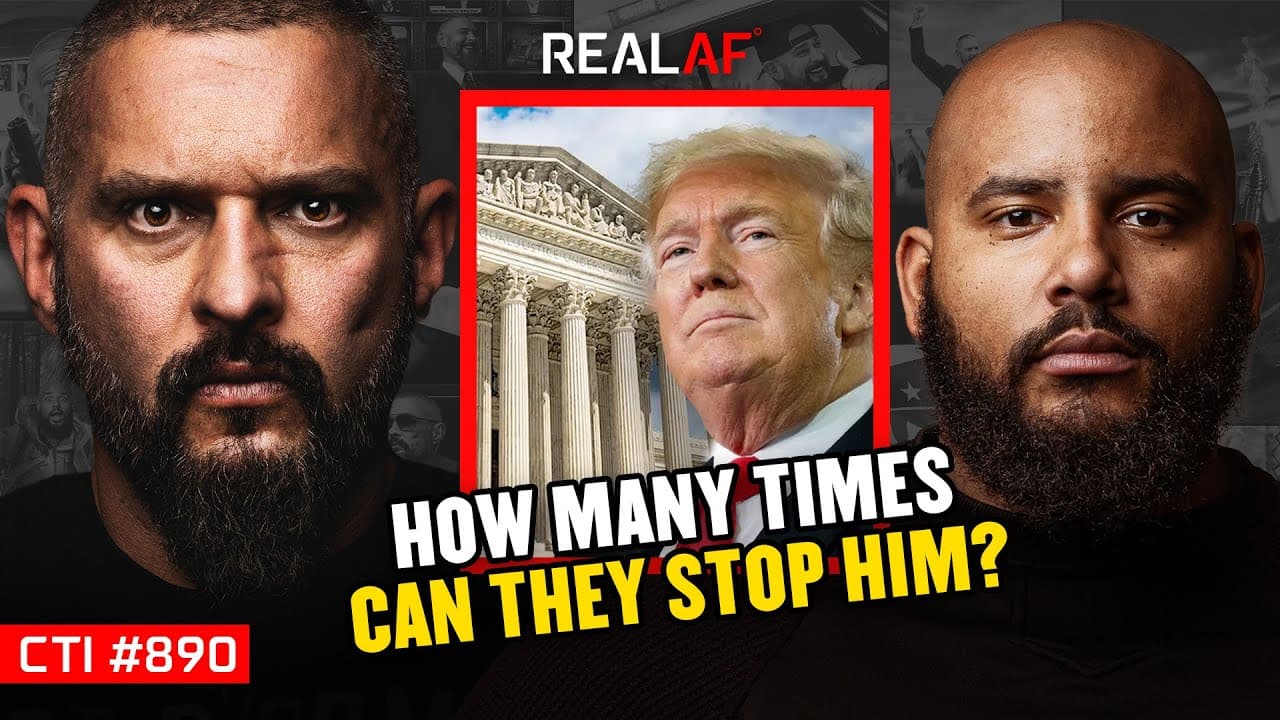
The political polarization in the U.S. has significantly increased, affecting judicial processes and governance. This polarization is evident in the number of legal injunctions against administrations, with Trump's facing far more than Biden's or Obama's. The discussion highlights the need for independent thought and the dangers of extreme partisanship on both sides.
Transcript
trump admin asked SCOTUS to allow it to move forward with plans to slash federal workforce i mean even in Trump's first administration it was anywhere from 64 to even some numbers are citing it as 104 injunctions legal injunctions that have been put on the Trump administration in the first term now with this second term we're at like 79 but when yo... Read More
Key Insights
- Political polarization in the U.S. has increased dramatically since the early 2000s.
- Trump's administration faced significantly more legal injunctions than previous administrations, reflecting increased partisanship.
- The judicial system is often used to delay or prevent policy changes through legal injunctions.
- Both sides of the political spectrum are guilty of prioritizing their interests over the country's well-being.
- The current political climate discourages independent thought, promoting a binary 'us vs. them' mentality.
- The discussion emphasizes the need for leaders who prioritize the people's interests over personal or party gains.
- Many Americans are unaware of the extent of political manipulation and polarization.
- The podcast encourages listeners to critically evaluate who initiates legal actions and the motives behind them.
Install to Summarize YouTube Videos and Get Transcripts
Explore YouTube Video Summarizer or Get YouTube Transcript Extractor
Questions & Answers
Q: How has political polarization affected the judicial system in the U.S.?
Political polarization has led to an increased use of legal injunctions to delay or block policy changes. This is particularly evident in the Trump administration, which faced significantly more injunctions than previous administrations. These legal actions often stem from partisan motives and reflect the broader societal divide, where individuals and groups prioritize their interests over effective governance.
Q: What are the consequences of extreme partisanship in U.S. politics?
Extreme partisanship leads to a divided society where independent thought is discouraged, and individuals feel compelled to align strictly with one side. This binary mentality hinders productive dialogue and prevents the country from addressing critical issues effectively. It also results in the misuse of the judicial system to serve partisan interests rather than the public good.
Q: Why is the number of legal injunctions against Trump's administration significant?
The high number of legal injunctions against Trump's administration highlights the increased polarization and partisanship in U.S. politics. Compared to previous administrations, Trump's faced far more injunctions, indicating a more contentious political climate where legal actions are used as tools to delay or prevent policy changes, often for partisan reasons.
Q: How can individuals navigate the current polarized political landscape?
Individuals can navigate the polarized political landscape by critically evaluating political narratives and seeking to understand the motives behind legal and political actions. Encouraging independent thought, questioning binary 'us vs. them' mentalities, and prioritizing the country's well-being over party interests are essential steps toward fostering a more productive and less divisive political environment.
Q: What role do unions and lobbyist groups play in political polarization?
Unions and lobbyist groups often initiate legal actions that contribute to political polarization by using the judicial system to delay or prevent policy changes. These groups typically serve special interests, which can conflict with the public good, further entrenching partisan divides and hindering effective governance.
Q: Why is independent thought important in the current political climate?
Independent thought is crucial in the current political climate because it allows individuals to critically assess political narratives and resist the pressure to conform to extreme partisan viewpoints. Encouraging independent thinking helps break down the binary 'us vs. them' mentality, fostering a more nuanced understanding of complex issues and promoting solutions that prioritize the nation's well-being.
Q: What are the dangers of a binary 'us vs. them' mentality in politics?
A binary 'us vs. them' mentality in politics creates a deeply divided society where individuals are discouraged from thinking independently and are pressured to strictly align with one side. This mentality hinders productive dialogue, exacerbates polarization, and prevents the country from effectively addressing critical issues, ultimately undermining democratic principles and governance.
Q: How can leaders prioritize the public's interests over personal or party gains?
Leaders can prioritize the public's interests by focusing on policies that serve the common good, encouraging bipartisan cooperation, and resisting the influence of special interest groups. Transparent decision-making, accountability, and a commitment to democratic principles are essential for leaders to genuinely serve the people and address the nation's challenges effectively.
Summary & Key Takeaways
-
The podcast discusses the significant increase in political polarization in the U.S., particularly evident in the number of legal injunctions against the Trump administration compared to others. This polarization reflects a broader societal divide, where individuals feel pressured to align strictly with one side. The hosts emphasize the need for independent thought and criticize the current state of political manipulation.
-
The hosts explore how the judicial system is used to delay policy changes through legal injunctions, often initiated by unions and lobbyist groups. They argue that this misuse of the system prevents effective governance and serves special interests rather than the public good. The conversation highlights the importance of understanding who brings these legal actions and their motivations.
-
The podcast criticizes both political parties for prioritizing their interests over national well-being. It calls for leaders who genuinely serve the people and warns against the dangers of extreme partisanship. The discussion urges listeners to critically evaluate political narratives and encourages independent thinking to navigate the current polarized landscape.
Read in Other Languages (beta)
Share This Summary 📚
Summarize YouTube Videos and Get Video Transcripts with 1-Click
Try YouTube Summary with ChatGPT & Claude or YouTube Transcript Generator
Explore More Summaries from Andy Frisella 📚





Summarize YouTube Videos and Get Video Transcripts with 1-Click
Try YouTube Summary with ChatGPT & Claude or YouTube Transcript Generator