The Bulwark Podcast: Can We Still Govern? (with Donald Moynihan)
TL;DR
The rise of book bans and threats to academic freedom, motivated by political ideologies, pose a significant risk to free speech and intellectual diversity.
Transcript
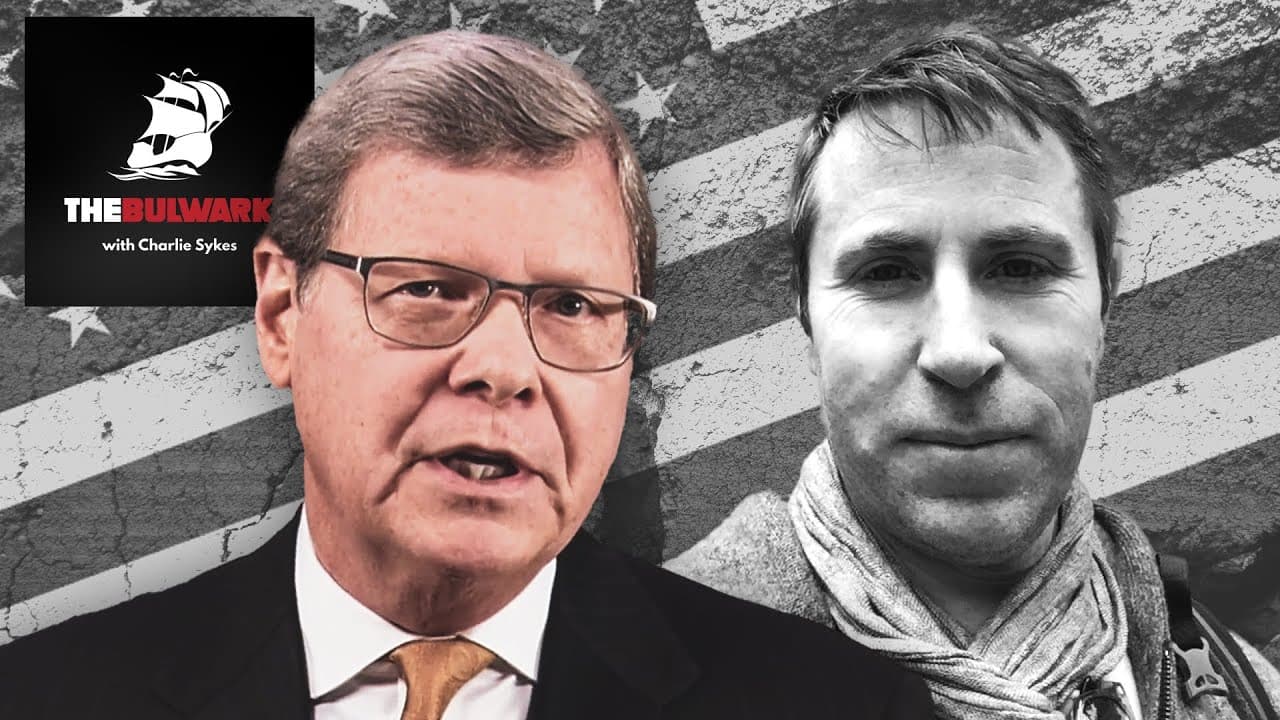
welcome to the bulwark podcast i'm charlie sykes it is november 11th veterans day so thank you all for your service a lot going on today obviously in washington and here in my home state of wisconsin where the kyle rittenhouse trial continues and so we're joined today by don moynihan who is a professor of public policy at georgetown university but ... Read More
Key Insights
- 😑 The rise of book banning reveals a nostalgia for a time when censorship was prevalent, threatening intellectual diversity and free expression.
- 🤕 State-sponsored censorship poses a grave risk to democratic values, as seen in cases where state legislatures attempt to control the teaching of certain subjects or ban specific books.
- 😯 The academic world is witnessing a shift in attitudes toward free speech and academic freedom, with a growing number of scholars and students supporting speech restrictions to avoid offense or discomfort.
- 🤗 The need for new institutions like the University of Austin demonstrates a perceived lack of intellectual diversity on existing campuses, but the challenge lies in maintaining a balanced approach to fostering open inquiry and avoiding ideological echo chambers.
Install to Summarize YouTube Videos and Get Transcripts
Explore YouTube Video Summarizer or Get YouTube Transcript Extractor
Questions & Answers
Q: What are the main concerns regarding book banning and academic freedom?
Book banning, which primarily targets books by authors of color on topics of race, gender, and sexuality, suppresses diverse perspectives and stifles intellectual exploration. It undermines a fundamental principle of academic freedom—the open exchange of ideas.
Q: Are threats to academic freedom primarily driven by one political ideology?
No, threats to academic freedom can come from both the illiberal right and left. While some on the left may support restricting speech they find offensive, state censorship is a more significant concern, as it curtails rights and often accompanies other limitations on democracy.
Q: What are the implications of the rise in book bans?
By banning books solely based on their content, society risks losing valuable insights and perspectives that contribute to critical thinking and understanding. Moreover, such bans disproportionately affect authors of color, perpetuating inequality in the publishing industry.
Summary & Key Takeaways
-
Book banning and censorship are making a comeback, particularly targeting books by authors of color that address race, gender, and sexuality.
-
Debates over academic freedom and free speech on campuses have intensified, with concerns about stifling dissenting opinions.
-
The introduction of anti-CRT bills and the push to ban certain books compound the threats to free expression and intellectual diversity in educational settings.
Read in Other Languages (beta)
Share This Summary 📚
Summarize YouTube Videos and Get Video Transcripts with 1-Click
Try YouTube Summary with ChatGPT & Claude or YouTube Transcript Generator
Explore More Summaries from The Bulwark 📚
Summarize YouTube Videos and Get Video Transcripts with 1-Click
Try YouTube Summary with ChatGPT & Claude or YouTube Transcript Generator