What it's like to have Tourette's — and how music gives me back control | Esha Alwani
TL;DR
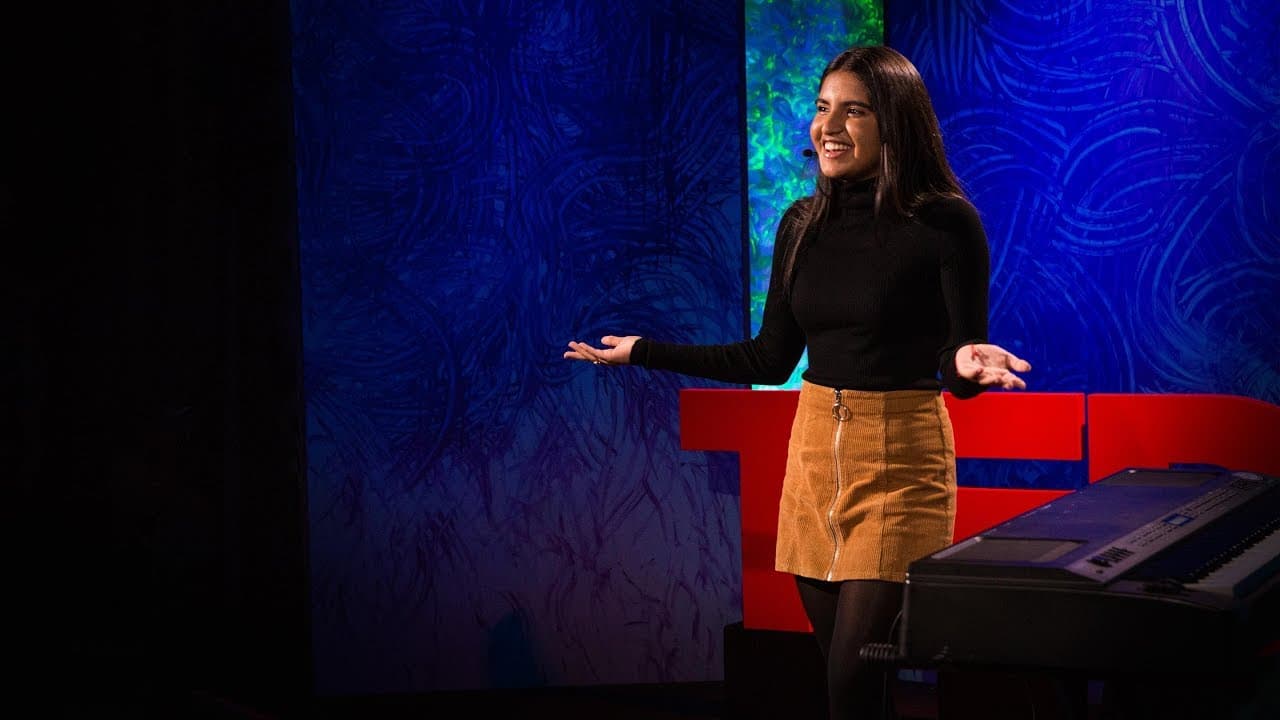
Imagine how it would feel if you had to live with uncontrollable Tourette syndrome tics, but then discovered the healing power of music.
Transcript
I'd like you to imagine what it would feel like if, for two whole minutes, your left arm was continuously flapping, your eyes were constantly rolling, your jaw was clenching so hard that it felt like your teeth were about to break, and every ten seconds, you were forced to let out a loud, high-pitched screech. (Tic) This is how I lived at the young... Read More
Key Insights
- 💡 Tourette syndrome is an incurable neurological disorder characterized by involuntary movements and sounds, known as tics. Medication often exacerbates symptoms rather than relieving them.
Install to Summarize YouTube Videos and Get Transcripts
Explore YouTube Video Summarizer or Get YouTube Transcript Extractor
Questions & Answers
Q: What symptoms did the speaker experience due to her neurological disorder, Tourette syndrome?
The speaker experienced symptoms such as continuous flapping of her left arm, constant rolling of her eyes, jaw clenching, and loud, high-pitched screeching.
Q: What was the initial response of the speaker's parents upon learning about her condition?
The speaker's parents sought a cure for her condition and flew to New York to meet with a pediatric neuropsychologist. However, they did not receive the easy remedy they had hoped for and instead, the doctor diagnosed the speaker with Tourette syndrome.
Q: How did medication affect the speaker's condition?
In the speaker's case, medication made her condition worse. One drug caused numbness in her legs to the point where she couldn't move them, and another drug caused hallucinations of green people chasing her. Every attempt at using medication for relief only worsened her symptoms.
Q: How did music help the speaker cope with her neurological disorder?
Music acted as a form of therapy for the speaker. When she listened to peaceful music, the beat of the drums uplifted her and improved her mood. Playing the piano and writing songs became a release for her, and as she played more, her symptoms reduced in intensity.
Q: Are there examples of music being used to support healing in other cases?
Yes, there are other cases where music has been used therapeutically. One notable example is US congresswoman Gabby Giffords, who lost her ability to speak due to a gunshot injury. Music therapists worked with her and encouraged her to sing her thoughts, helping her regain her speech.
Summary & Key Takeaways
-
The author describes their experience living with Tourette syndrome, including the constant tics and the impact it had on their daily life.
-
They explain that traditional medications for neurological disorders did not work for them, but they found relief through music.
-
The author shares examples of others who have also benefited from music therapy and explains the scientific reasons behind its effectiveness.
Read in Other Languages (beta)
Share This Summary 📚
Summarize YouTube Videos and Get Video Transcripts with 1-Click
Try YouTube Summary with ChatGPT & Claude or YouTube Transcript Generator
Explore More Summaries from TED 📚



Summarize YouTube Videos and Get Video Transcripts with 1-Click
Try YouTube Summary with ChatGPT & Claude or YouTube Transcript Generator