How to Overcome Musical Performance Challenges
TL;DR
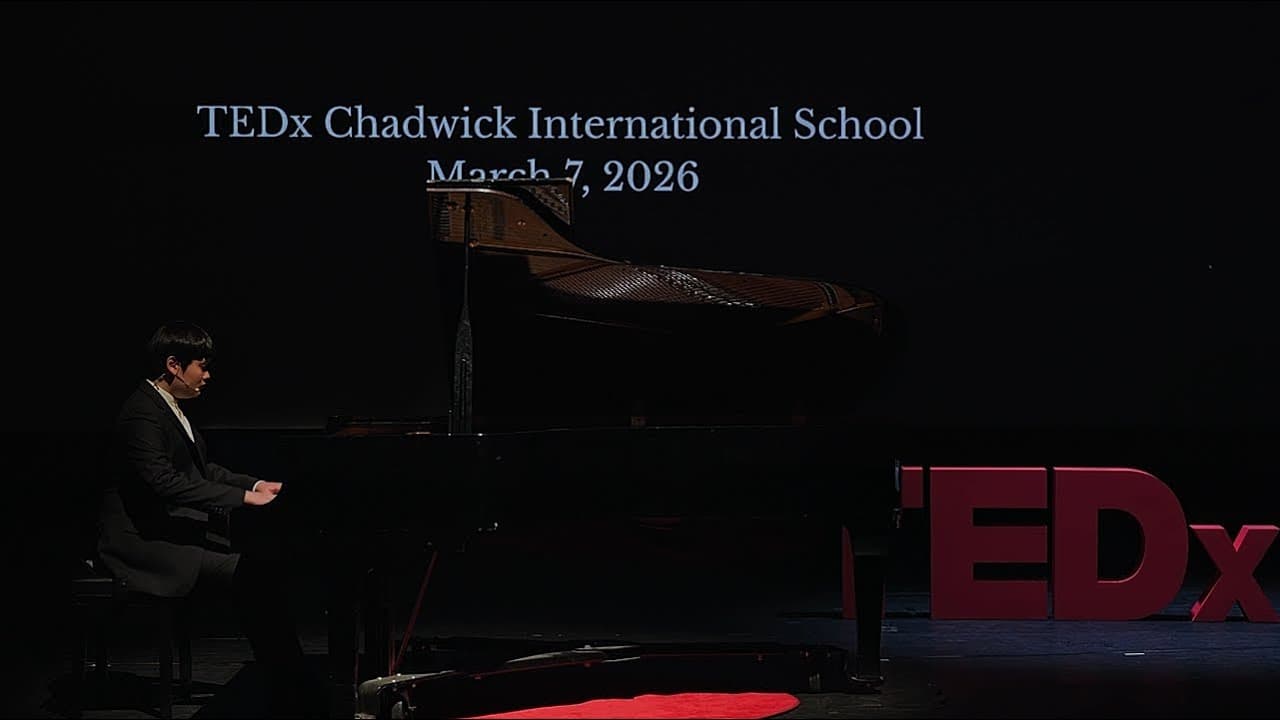
Musical growth is not defined by the absence of mistakes but by the ability to learn and grow from them. During a performance, Geonho Kim experienced a memory slip but realized that his musical development had progressed significantly. This experience highlighted the importance of perseverance and self-reflection in mastering a piece.
Transcript
You probably saw a child playing bug. I remember nothing. I don't remember emotions. I remember effort. It was my very first buck. A big performance came up and suddenly I was playing the Italian conerto. In 2018, I only played the first movement. When I finished, I thought I was done with it. I wasn't. In 2020 during the pandemic, everything stopp... Read More
Key Insights
- Growth in music is marked by learning from mistakes, not avoiding them.
- Memory slips during performances can occur even with thorough practice.
- Recording performances can provide valuable insights for improvement.
- Musical pieces can have personal significance and evolve with the musician.
- Understanding a piece goes beyond playing it fast; it requires depth.
- Concert cancellations during the pandemic provided time for musical growth.
- Self-reflection is crucial in recognizing personal musical development.
- Every musician has a piece that deeply influences their artistic journey.
Install to Summarize YouTube Videos and Get Transcripts
Explore YouTube Video Summarizer or Get YouTube Transcript Extractor
Questions & Answers
Q: How do musicians overcome performance mistakes?
Musicians overcome performance mistakes by viewing them as learning opportunities rather than failures. Reflecting on these experiences helps them identify areas for improvement. Recording performances allows for analysis and understanding of mistakes, leading to growth. Emphasizing perseverance and self-reflection enables musicians to develop resilience and enhance their skills over time.
Q: What role does self-reflection play in musical growth?
Self-reflection is crucial in musical growth as it allows musicians to critically assess their performances and identify both strengths and areas needing improvement. By reflecting on their experiences, musicians can gain insights into their progress, adjust their practice strategies, and develop a deeper understanding of the music, ultimately enhancing their overall artistry.
Q: Why is recording performances beneficial for musicians?
Recording performances is beneficial for musicians as it provides an opportunity to objectively evaluate their playing. It allows them to hear mistakes they might not notice during live performances, facilitating targeted improvements. Recordings also serve as a tool for tracking progress over time, enabling musicians to reflect on their growth and adjust their practice methods accordingly.
Q: How did the pandemic impact Geonho Kim's musical journey?
The pandemic impacted Geonho Kim's musical journey by providing him with time to focus on learning and mastering a challenging piece. With concerts canceled, he used this period to work on the second and third movements of a concerto, which he performed in 2021. This time allowed for introspection and significant musical development despite the lack of live performances.
Q: What is the significance of a 'personal Tchaikovsky' for musicians?
A 'personal Tchaikovsky' refers to a musical piece that holds deep personal significance for a musician, often shaping their artistic journey over time. Such pieces challenge musicians, prompting growth and development. They become a benchmark for progress, as musicians revisit them throughout their careers, gaining new insights and refining their interpretation with each encounter.
Q: How does understanding a musical piece differ from playing it fast?
Understanding a musical piece involves more than executing it at a fast pace; it requires a deep comprehension of its emotional and technical nuances. Musicians must connect with the piece's underlying themes and emotions, interpreting them effectively. This depth of understanding enhances the musicality of the performance, distinguishing it from merely showcasing technical speed.
Q: What challenges do musicians face during live performances?
During live performances, musicians face challenges such as memory slips, performance anxiety, and unexpected technical difficulties. These challenges require quick thinking and adaptability. Experience, thorough preparation, and mental resilience are crucial for managing these situations effectively, allowing musicians to maintain composure and deliver a compelling performance despite any setbacks.
Q: How can musicians track their progress over time?
Musicians can track their progress over time by regularly recording their performances and practice sessions. These recordings provide a tangible record of their development, highlighting improvements and pinpointing areas needing further work. Additionally, maintaining practice journals and setting specific goals can help musicians systematically assess their growth and adjust their strategies for continued advancement.
Summary & Key Takeaways
-
Musical growth is realized through acknowledging and learning from mistakes, as Geonho Kim discovered during a performance where he experienced a memory slip. Despite the error, he recognized significant musical development, emphasizing the importance of perseverance and self-reflection in mastering a piece.
-
Geonho Kim's journey with a challenging piece highlighted the personal growth musicians experience over time. Through recording and reflecting on performances, he identified areas of improvement, illustrating that true understanding of music transcends technical proficiency.
-
The pandemic provided an unexpected opportunity for Geonho Kim to deepen his musical skills. Despite concert cancellations, he focused on refining his understanding of a piece, demonstrating that personal and artistic growth can occur even during challenging times.
Read in Other Languages (beta)
Share This Summary 📚
Summarize YouTube Videos and Get Video Transcripts with 1-Click
Try YouTube Summary with ChatGPT & Claude or YouTube Transcript Generator
Explore More Summaries from TEDx Talks 📚



Summarize YouTube Videos and Get Video Transcripts with 1-Click
Try YouTube Summary with ChatGPT & Claude or YouTube Transcript Generator