Engineering Immortality: the End of Aging?
TL;DR
Scientists are researching ways to extend human life expectancy and delay the onset of age-related diseases, with promising advancements in regenerative medicine and biotechnology. However, ethical considerations and social constructs surrounding increased longevity need to be carefully navigated.
Transcript
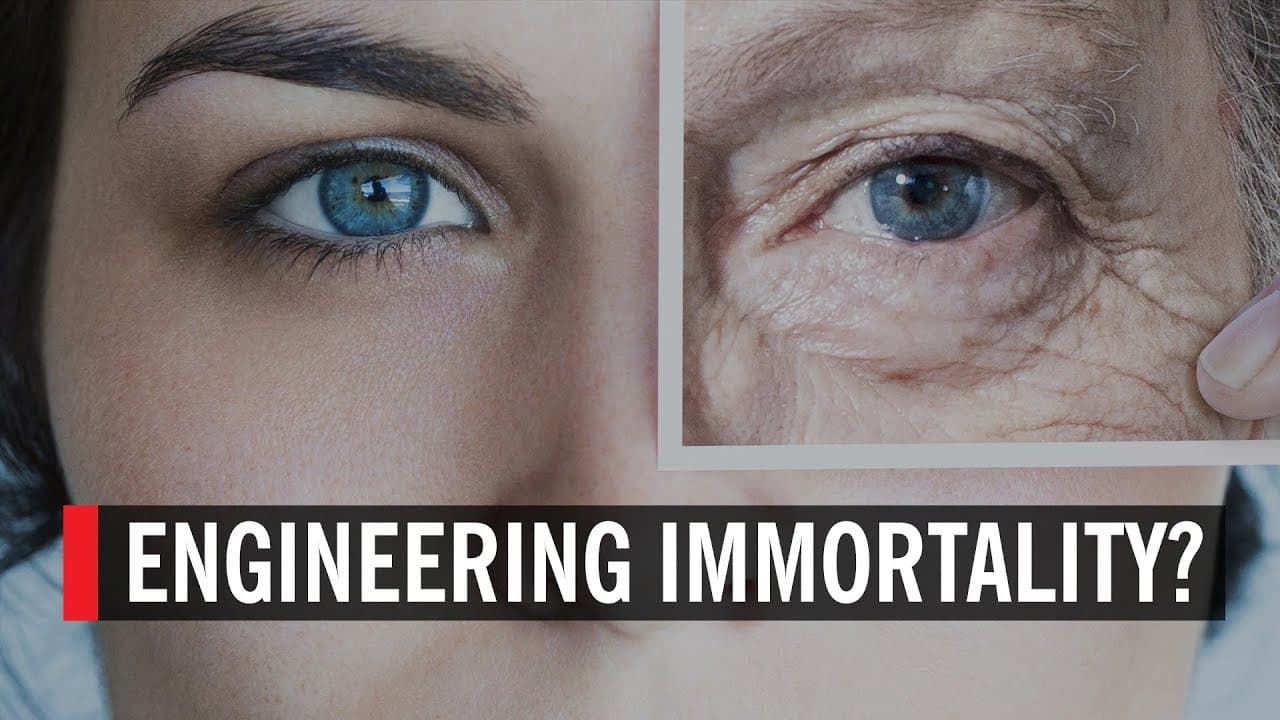
Humans are now living longer than ever before. In just a century American life expectancy has gone from forty seven to seventy nine years. In one century. Today scientists are growing hearts in the lab, creating organs with 3-D bioprinters, body organs and eliminating cells that shorten life. Eliminating them. Will this new technology yield another... Read More
Key Insights
- 🥅 The goal is to extend healthspan by targeting fundamental aging processes rather than individual diseases.
- 👷 The impact of social constructs, cultural beliefs, and ethical considerations needs to be considered when discussing the implications of increased longevity.
- 🤕 The advancement of regenerative medicine, biotechnology, and AI may further enhance our ability to combat aging and age-related diseases.
- 🍉 Long-term predictions about the future of aging and longevity are uncertain due to the complexity of human biology and the evolving nature of technology.
Install to Summarize YouTube Videos and Get Transcripts
Explore YouTube Video Summarizer or Get YouTube Transcript Extractor
Questions & Answers
Q: What is biological aging and why is it important to study?
Biological aging is the result of cellular aging and the impact of physical, emotional, and mental factors on our body. It is important to study because it is a major risk factor for age-related chronic diseases and targeting it could lead to improved healthspan and overall quality of life.
Q: How can the aging process be slowed or stopped?
Research suggests that targeting fundamental aging processes, such as inflammation and cellular senescence, may delay or alleviate age-related diseases. By developing interventions that address these processes, it is possible to improve healthspan and extend healthy lifespan.
Q: Is there a limit to extending lifespan due to the limitations of the brain?
While the brain is a complex organ with limited regenerative capacity, there are ongoing studies on cognitive enhancement and therapies for age-related cognitive decline. However, the brain's aging process is multifaceted and requires further research to develop effective interventions.
Q: What role does inflammation play in the aging process?
Chronic inflammation is associated with age-related diseases and tissue dysfunction. Targeting inflammation, specifically the inflammation caused by senescence cells, can potentially improve healthspan and delay the onset of age-related conditions.
Summary & Key Takeaways
-
Aging is a result of cellular aging and cumulative stress on the body's organs and tissues.
-
There are different views on the definition of biological age, but it generally refers to processes such as inflammation, cellular senescence, and stem cell dysfunction.
-
Targeting fundamental aging processes rather than individual diseases could result in improved healthspan and the prevention of age-related chronic diseases.
Read in Other Languages (beta)
Share This Summary 📚
Summarize YouTube Videos and Get Video Transcripts with 1-Click
Try YouTube Summary with ChatGPT & Claude or YouTube Transcript Generator
Explore More Summaries from World Science Festival 📚



Summarize YouTube Videos and Get Video Transcripts with 1-Click
Try YouTube Summary with ChatGPT & Claude or YouTube Transcript Generator