Russia Will Not Be Stopped By Financial Sanctions
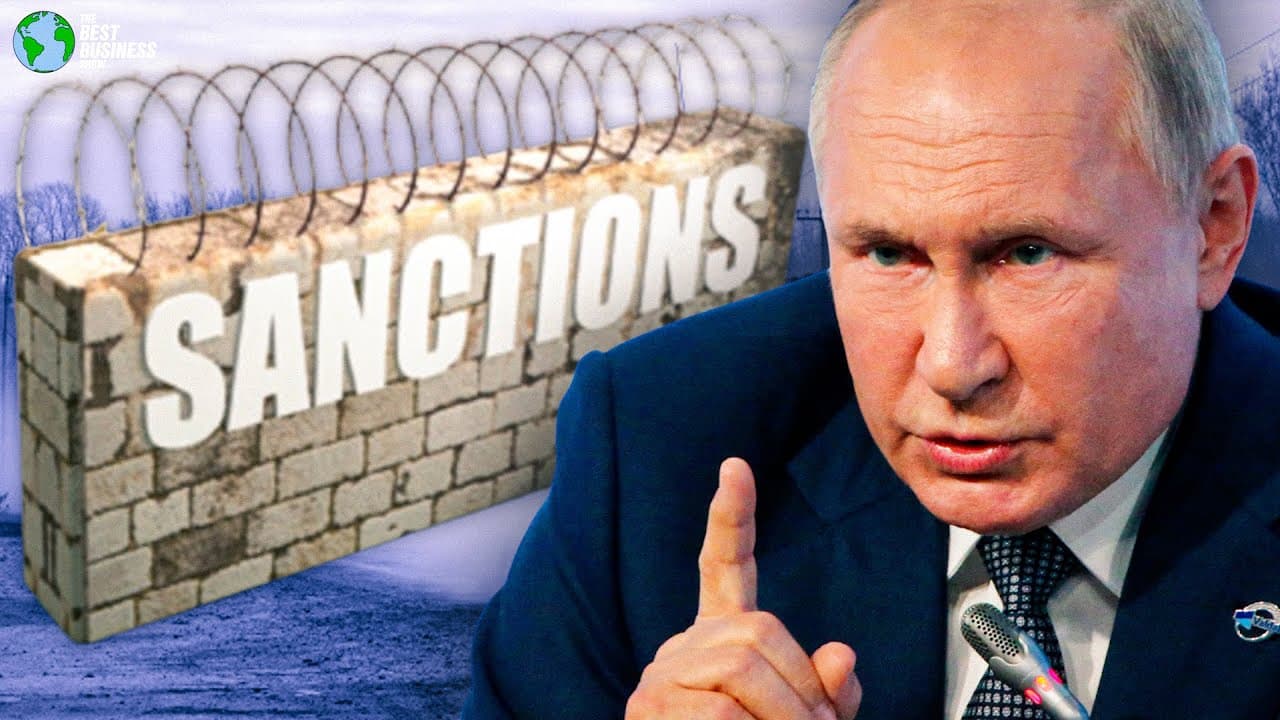
TL;DR
The geopolitical tension indicates a potential bifurcation of global economies led by Russia and China.
Transcript
when you think about his position in the world most people i think were kind of just like oh i was told not to like vladimir putin so like you know bad guy right if you start to learn about russia um one of the books that probably has had the most influence in terms of my view of how some of the financial markets uh was read notice bill browder's w... Read More
Key Insights
- 🌐 The potential bifurcation of global economies reflects increasing geopolitical tensions, particularly between Western nations and Russia/China.
- 🧍 Historical transitions toward monetary independence began around 2014, suggesting long-standing dissatisfaction with the prevailing dollar-centric system.
- ™️ Russia and China have made strategic moves to de-dollarize trade, indicating a united front in seeking alternative economic partnerships and systems.
- 🌍 Geopolitical gamesmanship signals a complex relationship between nations, where public statements may obscure underlying strategies and intentions.
- 🪡 Emerging markets are increasingly seeking autonomy from the dollar system, driven by developmental needs and frustration with existing financial barriers.
- 🌐 The transition away from a unified global economy is likely to present significant challenges, including economic costs and instability for involved nations.
- 💨 Public sentiment in Russia and China plays a critical role in legitimating and supporting the transition away from the US dollar, prompting careful political messaging.
Install to Summarize YouTube Videos and Get Transcripts
Explore YouTube Video Summarizer or Get YouTube Transcript Extractor
Questions & Answers
Q: What does the term "bifurcation" refer to in this context?
In this context, "bifurcation" refers to the potential division of the global economy into two distinct financial systems: one led by the US dollar and Western nations, and another comprising Russia, China, and possibly other emerging markets striving for financial independence.
Q: How have Russia and China's actions signaled a move away from the US dollar?
Russia and China have taken tangible steps toward reducing their dependence on the US dollar by increasing trade in their own currencies, forming bilateral agreements, and publicly discussing their plans to create alternative financial systems that do not rely on the dollar's dominance.
Q: What historical events are cited as catalysts for these economic shifts?
The shifts towards a bifurcated monetary system are suggested to have begun around 2014 when emerging markets recognized the insufficiencies of the dollar-based credit model, alongside earlier tensions stemming from the 2007 breakdown of the euro-dollar network.
Q: How do geopolitical tensions relate to the changes in the global economy?
Geopolitical tensions, particularly between the US and nations like Russia and China, spur these economic changes as countries seek to protect their interests and reduce vulnerability to US sanctions or monetary policies, promoting a desire for alternative economic frameworks.
Q: What is meant by "gamesmanship" in the context of this discussion?
"Gamesmanship" refers to the strategic maneuvering between nations like Russia and China as they publicly communicate desires to remain within the global financial system while simultaneously positioning themselves for independence, suggesting hidden agendas in their diplomatic interactions.
Q: What role do emerging markets play in this potential economic bifurcation?
Emerging markets are critical to this bifurcation as they may push for new monetary frameworks that better serve their development needs. Frustrated with the high costs and scarcity of dollar-denominated capital, these countries may align more closely with Russia and China.
Q: How might public perception in Russia and China influence these economic strategies?
Governments in Russia and China must manage public perception carefully, framing the transition away from the dollar system as a strategic response to external pressures. They need to garner support from their citizens by explaining the economic benefits and necessity behind these changes to mitigate discontent.
Q: What are the anticipated consequences of transitioning to a bifurcated economy?
Transitioning to a bifurcated economy could lead to significant challenges, including economic instability, potential loss of life, and increased tensions. The shift may also slow global trade, causing coordination issues and hindering growth as nations adjust to the new economic landscapes.
Summary & Key Takeaways
-
The content discusses the changing dynamics of global financial markets, particularly how Russia and China view their roles in conjunction with US economic dominance. It highlights how both countries are strategizing to reduce reliance on the US dollar.
-
Historical context is provided, indicating that shifts towards bifurcation began around 2014 after significant events strained the traditional dollar-based financial systems. This may lead to economies becoming more insular and self-reliant.
-
The discussion extends to the implications of these changes, suggesting that transitions may not be peaceful, as nations grapple with the economic costs and challenges associated with deviating from the established financial order.
Read in Other Languages (beta)
Share This Summary 📚
Summarize YouTube Videos and Get Video Transcripts with 1-Click
Try YouTube Summary with ChatGPT & Claude or YouTube Transcript Generator
Explore More Summaries from Anthony Pompliano 📚

Summarize YouTube Videos and Get Video Transcripts with 1-Click
Try YouTube Summary with ChatGPT & Claude or YouTube Transcript Generator