The Monkeys of Sri Lanka | Born Wild: The Next Generation
TL;DR
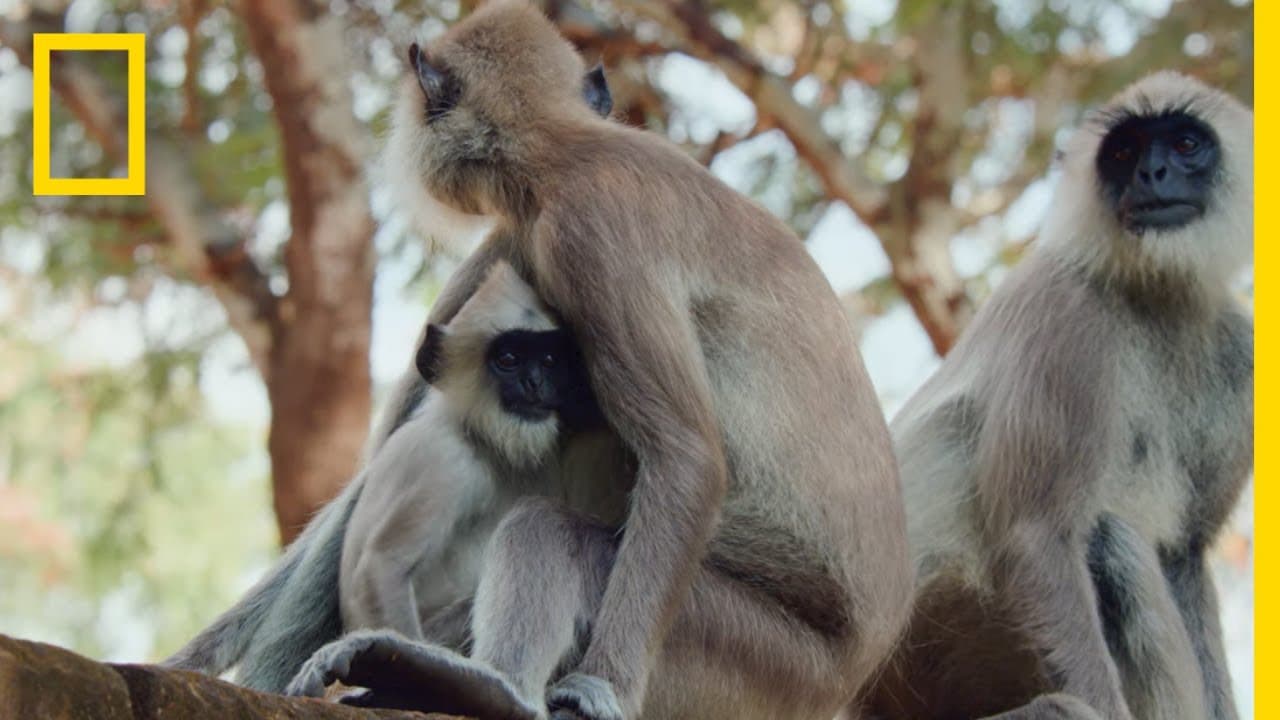
National Geographic explores monkey societies in Sri Lanka's ancient capital, showcasing social hierarchies and coexistence.
Transcript
the tropics of South Asia are teeming with wildlife of all kinds National Geographic Explorer sandesh qader travels to a magical setting in Sri Lanka where different species of baby monkeys learn to navigate life in a complex community I'm an incredible Paulaner over Sri Lanka this place was once the ancient capital of the island it was abandoned b... Read More
Key Insights
- 🇱🇰 A complex society of primates thrives in Sri Lanka's ancient capital, showcasing intricate social hierarchies and dynamics.
- 😘 Toque macaques like Paulo face challenges in asserting their place in the social order due to orphaning and low-ranking maternal lineage.
- 💀 The privileged status of offspring like Jessie, the son of the alpha female, ensures better access to resources and growth opportunities.
- ⚖️ Coexistence between macaques and langurs demonstrates a harmonious balance in sharing resources in the shared habitat.
- 🙈 Understanding social hierarchies and interactions among different monkey species provides insights into wildlife dynamics and survival strategies.
- 🥘 Sharing resources and adapting to specific food sources allow for peaceful cohabitation among different primate species in the habitat.
- 🙈 Wildlife researchers like Prof. Wolfgang Peters play a crucial role in studying and understanding monkey societies for conservation and ecological preservation efforts.
Install to Summarize YouTube Videos and Get Transcripts
Explore YouTube Video Summarizer or Get YouTube Transcript Extractor
Questions & Answers
Q: How does social hierarchy impact the life of a toque macaque like Paulo?
Social hierarchy determines everything from food access to grooming for toque macaques like Paulo. Orphaned and at the bottom of the social order, Paulo faces challenges in finding his place in the monkey society.
Q: What advantages do the grey langurs have in coexisting with the macaques?
Grey langurs have evolved digestive systems that allow them to digest leaves, granting them access to resources that macaques cannot consume. This coexistence showcases a harmonious balance in sharing the habitat.
Q: How does the alpha female's position affect the life of her offspring in the monkey society?
Offspring like Jessie, the son of the alpha female, have privileged access to resources and a higher status in the social hierarchy. This position ensures better survival and growth opportunities for the young monkeys.
Q: How do different monkey species navigate interactions and conflicts in the shared habitat?
Despite some conflicts over resources, different monkey species in the habitat, such as macaques and langurs, manage to coexist harmoniously. Their evolution and resource adaptation allow for a balanced sharing of the environment.
Summary & Key Takeaways
-
National Geographic explores a bustling society of primates in Sri Lanka's ancient capital, now home to different species of baby monkeys.
-
Prof. Wolfgang Peters studies toque macaques, highlighting social hierarchies and dynamics within monkey societies.
-
Coexistence between macaques and grey langurs showcases a harmonious balance in sharing resources in the same habitat.
Read in Other Languages (beta)
Share This Summary 📚
Summarize YouTube Videos and Get Video Transcripts with 1-Click
Try YouTube Summary with ChatGPT & Claude or YouTube Transcript Generator
Explore More Summaries from National Geographic 📚




Summarize YouTube Videos and Get Video Transcripts with 1-Click
Try YouTube Summary with ChatGPT & Claude or YouTube Transcript Generator