Greek Mythology's Cthulhu Origin - Apollo's Horror Tale In Ancient Greece With Lovecraftian Monsters
TL;DR
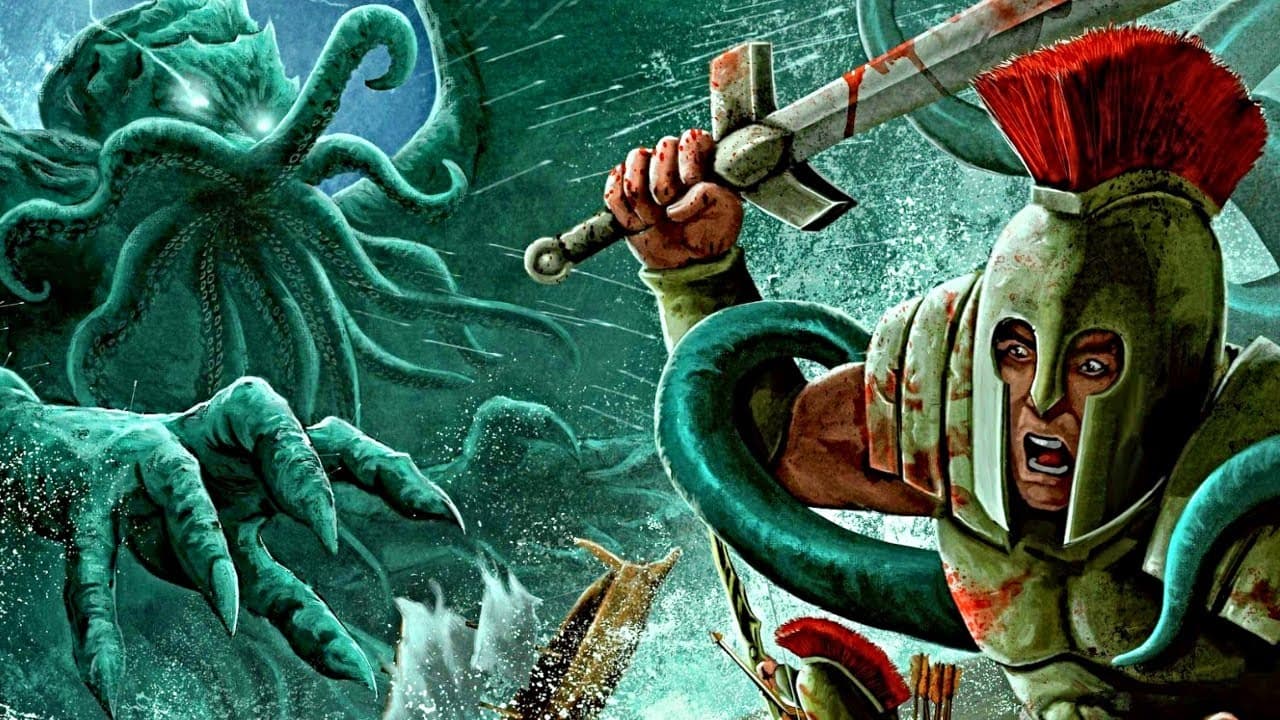
This analysis explores a Lovecraftian comic about Apollo, Artemis, and Hera's jealousy.
Transcript
I'm Grayson not away welcome back this is marvelous videos Apollo lovecraftian story explored it's no surprise that Zeus's sister wife Hera was jealous of the Amorous relationships he shared with other women which was something that left Hera so enraged that she had posed as a mortal enemy of all of Zeus's consorts and their children written by Eri... Read More
Key Insights
- 🥺 Hera's jealousy leads to a significant conflict, portraying her as an antagonist powered by emotions common to mortals.
- 😱 The summoning of Cthulhu serves as a powerful symbol of unpredictable chaos that captures the essence of both Lovecraftian horrors and mythological themes.
- 🕵️♀️ Leto's journey provides a maternal perspective in a world dominated by male deities, emphasizing female strength and sacrifice amidst divine struggles.
- 👶 The relationship between Apollo and Artemis evolves as they transition from skeptical children to courageous heroes, exhibiting growth through adversity.
- 😱 The comic combines elements of horror with mythology, creating a nuanced narrative that appeals to fans of both genres.
- 🛟 Visual storytelling is emphasized, as the comic serves more as a picture book, offering an artistic representation of the tale that enhances its narrative depth.
- ❓ The eventual resurrection of Leto symbolizes redemption and the potential for growth among even the most vengeful characters.
Install to Summarize YouTube Videos and Get Transcripts
Explore YouTube Video Summarizer or Get YouTube Transcript Extractor
Questions & Answers
Q: What role does Hera play in the comic's narrative?
Hera embodies jealousy and vengeance in the comic, as she seeks to punish Zeus's consorts and their children. Her actions drive the story, leading to the summoning of Cthulhu, a terrifying creature intended to destroy Leto and her children. Hera’s character is central to the conflict, illustrating the themes of rage and revenge traditionally associated with her character in mythology.
Q: How does Leto's character develop throughout the story?
Leto evolves from being a vulnerable mother facing divine wrath to a resourceful and determined figure who uses the Necronomicon to protect her children. Her character highlights themes of resilience and sacrifice; despite the consequences of wielding dark powers, she remains committed to her children's safety, showcasing her growth through the trials they face together.
Q: In what way does the Lovecraftian twist alter the original myth?
The Lovecraftian twist adds a layer of horror and complexity to the traditional myth, particularly through the introduction of Cthulhu, a symbol of cosmic dread. This element transforms the narrative from a simple tale of divine relationships into a more intricate exploration of jealousy, vengeance, and the repercussions of summoning dark forces, thus enriching the mythological context with themes from Lovecraft's works.
Q: What are the key themes presented in this comic?
Key themes include jealousy and revenge, the complexity of divine relationships, the struggle between good and evil, and the inherent sacrifices of motherhood. Additionally, the narrative examines the consequences of vengeance, leading to a moral lesson about compassion and understanding among gods, as exemplified by Hera's eventual change of heart.
Q: How do Apollo and Artemis contribute to the story's resolution?
Apollo and Artemis play pivotal roles in confronting Cthulhu, showcasing their growth into heroic figures. Their willingness to sacrifice themselves for the sake of others illustrates their moral integrity and learning process. Ultimately, their actions compel Hera to reflect on her past behaviors, leading to a resolution grounded in forgiveness rather than vengeance.
Q: What significance does the Book of the Dead hold in the story?
The Book of the Dead, or Necronomicon, signifies the heavy price of knowledge and power. Leto’s use of the book to summon aid indicates the duality of its power—while it assists her in dire situations, it frequently demands sacrifices, such as the loss of lives. This dichotomy emphasizes the moral implications surrounding the pursuit of power and its effects on relationships.
Summary & Key Takeaways
-
The story reinterprets the myth of Apollo and Artemis, infusing it with Lovecraftian elements, particularly through the character of Cthulhu, summoned by Hera out of jealousy.
-
Leto, the mother of Apollo and Artemis, recounts her trials and tribulations while protecting her children from Cthulhu and Hera’s wrath, emphasizing themes of maternal sacrifice and divine conflict.
-
The overall narrative culminates in a confrontation between the demigod twins and Cthulhu, which ultimately transforms Hera's vengeful nature, illustrating a shift towards compassion and understanding within divine relationships.
Read in Other Languages (beta)
Share This Summary 📚
Summarize YouTube Videos and Get Video Transcripts with 1-Click
Try YouTube Summary with ChatGPT & Claude or YouTube Transcript Generator
Explore More Summaries from Marvelous Videos 📚





Summarize YouTube Videos and Get Video Transcripts with 1-Click
Try YouTube Summary with ChatGPT & Claude or YouTube Transcript Generator