What Your Fetish Says About You
TL;DR
Scientists study fetishes to understand their origins and potential neurological changes in the brain, while also exploring the impact of tech algorithms on shaping sexual desires.
Transcript
in 2015 a man was caught having sex with a tractor turns out he'd had sex with 450 tractors and his personal computer was found with hundreds of images of tractor fetish porn I mean I can't blame him we've all seen cars scientists have recently been studying fetishes in very unique ways to try and understand if there are physical changes in the bra... Read More
Key Insights
- 🥳 Fetishes are complex and can involve attraction to non-genital body parts or inanimate objects.
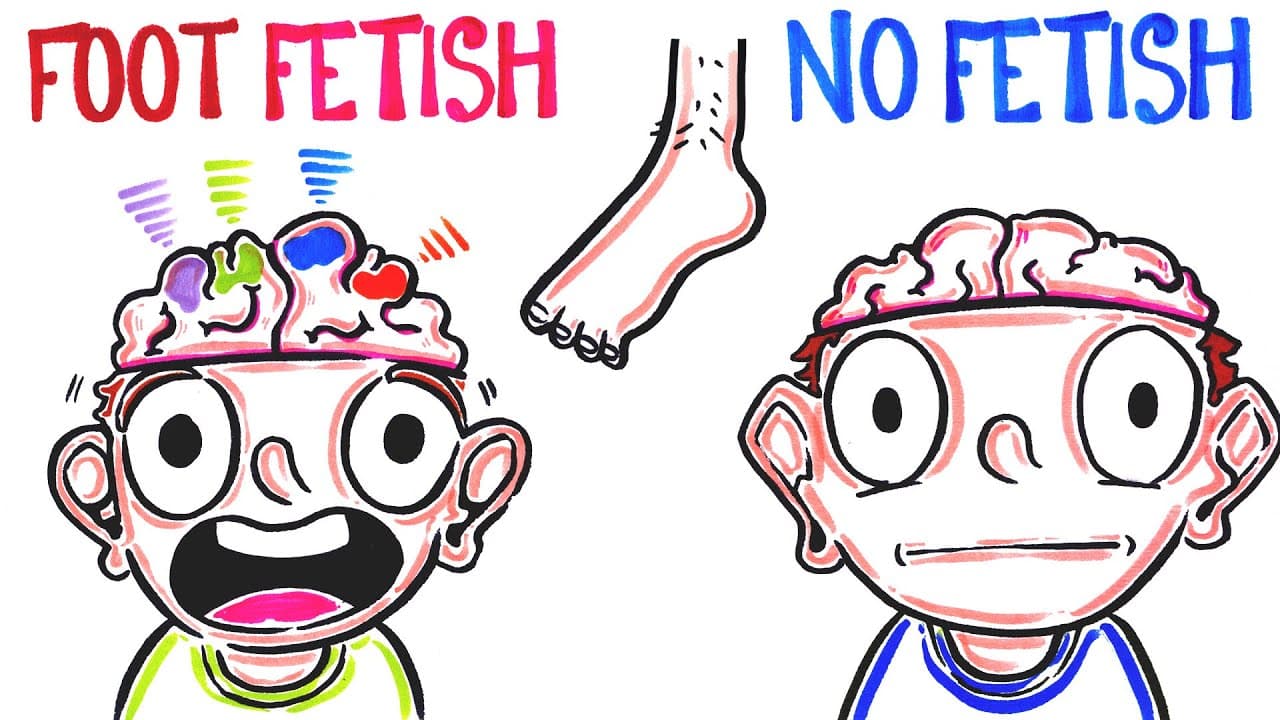
- 🦶 The proximity of neurons in the brain for touch sensations in feet and genitals may explain the prevalence of foot fetishes.
- 💠 Exposure to a variety of stimuli outside of genitalia can shape and create fetishes through neural plasticity.
- 🧑💻 Tech algorithms used by companies may be influencing our sexual desires by exposing us to specific content online.
- 😒 Excessive online porn use can result in physical changes in the brain, affecting the reward pathways involved in sexual arousal.
- 🦸 Online content often provides a super normal stimulus, exaggerating qualities and potentially altering perception of real-life experiences.
- 🧑🔬 Scientists continue to study fetishes to better understand their origins, psychological mechanisms, and potential impacts on individuals.
Install to Summarize YouTube Videos and Get Transcripts
Explore YouTube Video Summarizer or Get YouTube Transcript Extractor
Questions & Answers
Q: What are fetishes and why do people have them?
Fetishes are instances where sexual arousal is triggered by non-genital body parts or inanimate objects. The reasons behind fetishes vary and can be influenced by a combination of physiological, psychological, and environmental factors. Some theories suggest that fetishes may have evolutionary origins for promoting hygiene or reproductive success.
Q: How do scientists study fetishes?
Studying fetishes is challenging due to their complexity and the personal nature of sexual desires. Researchers rely on various methods such as observational data, surveys, and animal models to gain insights into the origins and psychological mechanisms behind fetishes.
Q: Can tech algorithms influence our sexual urges?
Some scientists believe that tech algorithms used by companies can shape our sexual desires by exposing us to tailored content online. This exposure could potentially alter our perception of what is sexually appealing and impact the reward pathways in our brain.
Q: How does excessive online porn use affect the brain?
Research suggests that excessive online porn use can lead to physical changes in the brain, specifically in the ventral striatum, which is involved in reward processing. Dopamine levels may become dysregulated, leading to a distorted perception of sexual stimuli and potentially impacting real-life sexual experiences.
Key Insights:
- Fetishes are complex and can involve attraction to non-genital body parts or inanimate objects.
- The proximity of neurons in the brain for touch sensations in feet and genitals may explain the prevalence of foot fetishes.
- Exposure to a variety of stimuli outside of genitalia can shape and create fetishes through neural plasticity.
- Tech algorithms used by companies may be influencing our sexual desires by exposing us to specific content online.
- Excessive online porn use can result in physical changes in the brain, affecting the reward pathways involved in sexual arousal.
- Online content often provides a super normal stimulus, exaggerating qualities and potentially altering perception of real-life experiences.
- Scientists continue to study fetishes to better understand their origins, psychological mechanisms, and potential impacts on individuals.
- The relationship between tech algorithms and sexual desires raises ethical and privacy concerns, as personal data drives tailored experiences.
Summary & Key Takeaways
-
Fetishes are complex and can involve attraction to non-genital body parts or inanimate objects, with foot fetishes being particularly common.
-
The physiological basis for foot fetishes may be due to the proximity of neurons in the brain that process touch sensations for feet and genitals.
-
Studies on rats suggest that fetishes can be created through neural plasticity and exposure to certain objects or scents, which can alter sexual preferences.
Read in Other Languages (beta)
Share This Summary 📚
Summarize YouTube Videos and Get Video Transcripts with 1-Click
Try YouTube Summary with ChatGPT & Claude or YouTube Transcript Generator
Explore More Summaries from AsapSCIENCE 📚






Summarize YouTube Videos and Get Video Transcripts with 1-Click
Try YouTube Summary with ChatGPT & Claude or YouTube Transcript Generator