Building Muscle Without Putting On Fat
TL;DR
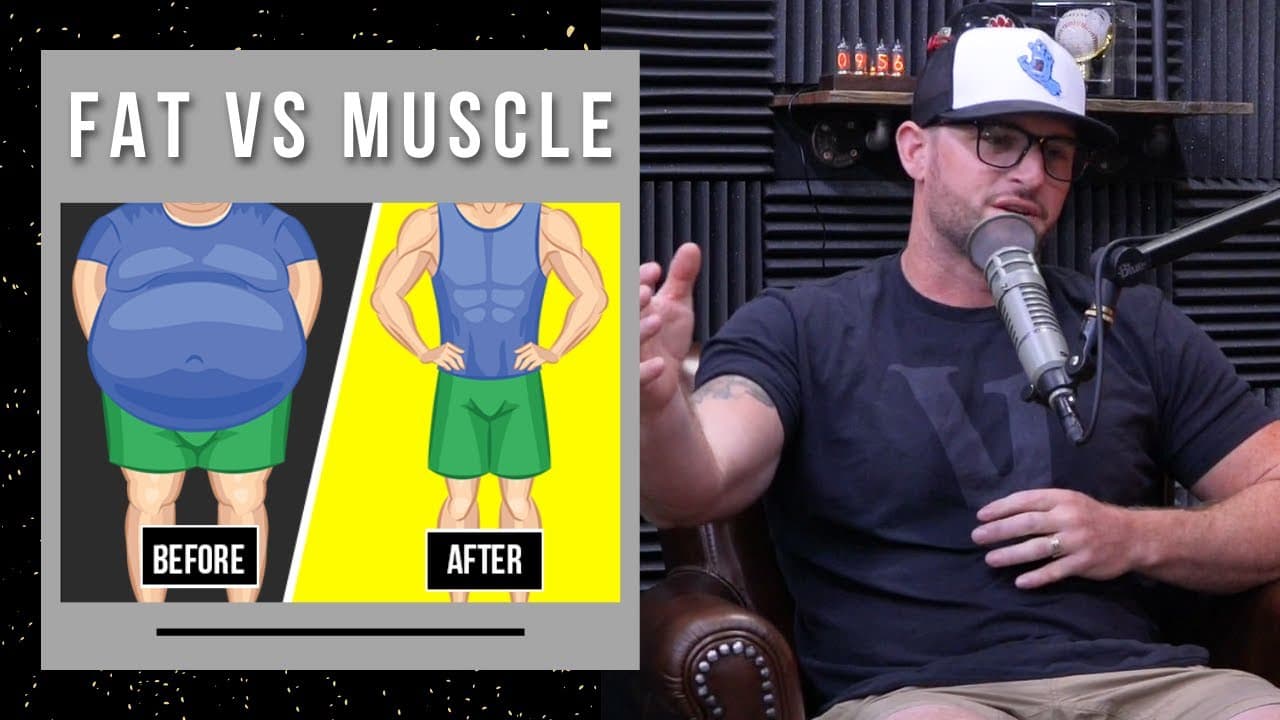
Gain muscle with minimal fat by managing calorie intake and workout signals.
Transcript
first question is from dan granucci how do i put on muscle without putting on a lot of fat oh the million-dollar question hmm this is a secret this is a big one because part of putting on muscle or part of the formula for putting on muscle has to do with increasing your calories right you want to be in a a surplus of calories to provide your body w... Read More
Key Insights
- The key to gaining muscle without excess fat is to maintain a calorie surplus that is just enough to support muscle growth, avoiding excessive calorie intake.
- Sending a strong muscle-building signal through effective workouts ensures that extra calories are directed towards muscle growth rather than fat storage.
- Changing workout routines when transitioning between bulking and cutting phases can enhance muscle gain by providing a new stimulus.
- Monitoring progress over longer periods, such as monthly instead of weekly, can help avoid the frustration of temporary fat gain during muscle-building phases.
- The amount of extra calories needed for muscle gain is often overestimated; even a small surplus can be effective if workouts are optimized.
- Strength gains can occur with extra calorie intake even if muscle mass does not increase significantly, due to improved energy and leverage.
- Very lean individuals may need to gain some body fat to optimize muscle growth, while those with higher body fat percentages might gain muscle without additional fat.
- Patience is crucial in muscle-building phases; gradual weight gain is more sustainable and effective for maintaining a lean physique.
Install to Summarize YouTube Videos and Get Transcripts
Explore YouTube Video Summarizer or Get YouTube Transcript Extractor
Questions & Answers
Q: How can I gain muscle without gaining too much fat?
To gain muscle without gaining too much fat, maintain a small calorie surplus and ensure your workouts send a strong muscle-building signal. This involves effective exercise routines and possibly changing your workout program during transitions between bulking and cutting phases to provide new stimuli for muscle growth.
Q: Why is monitoring progress over longer periods recommended?
Monitoring progress over longer periods, such as monthly instead of weekly, is recommended because it helps avoid frustration from temporary fat gain during muscle-building phases. This approach allows you to see the overall trend of muscle gain and fat loss without getting discouraged by short-term fluctuations.
Q: Is a large calorie surplus necessary for muscle gain?
A large calorie surplus is not necessary for muscle gain. Even a small surplus can be effective if your workouts are optimized to send a strong muscle-building signal. Overestimating calorie needs can lead to unnecessary fat gain, so it's important to find the right balance for your body.
Q: How do strength gains relate to calorie intake?
Strength gains can occur with extra calorie intake even if muscle mass does not increase significantly. This is because the additional energy improves leverage and makes joints feel more secure, allowing for better performance in the gym. However, this does not necessarily mean an increase in lean muscle mass.
Q: Can very lean individuals gain muscle without gaining fat?
Very lean individuals may need to gain some body fat to optimize muscle growth. Extremely low body fat percentages can be suboptimal for muscle building, so a slight increase in body fat might be necessary to support muscle gain effectively.
Q: Is it possible for overweight individuals to gain muscle without gaining fat?
Yes, overweight individuals can often gain muscle without gaining additional fat. In some cases, they might even lose body fat while gaining muscle, as they have more stored energy available to support muscle growth without needing a large calorie surplus.
Q: Why is patience important in muscle-building phases?
Patience is crucial in muscle-building phases because gradual weight gain is more sustainable and effective for maintaining a lean physique. Rushing the process can lead to excessive fat gain, so it's important to focus on consistent, long-term progress rather than immediate results.
Q: What role does changing workout routines play in muscle gain?
Changing workout routines when transitioning between bulking and cutting phases can enhance muscle gain by providing new stimuli. This helps ensure that the body continues to respond to workouts by directing extra calories towards muscle growth rather than fat storage, thereby optimizing the muscle-building process.
Summary & Key Takeaways
-
Building muscle without gaining excess fat involves managing calorie intake and sending strong muscle-building signals through workouts. A small calorie surplus, combined with effective exercise, can promote muscle growth while minimizing fat gain.
-
Changing workout routines during transitions between bulking and cutting phases can provide new stimuli for muscle growth. Monitoring progress over longer periods helps avoid frustration from temporary fat gain during muscle-building phases.
-
Even a small calorie surplus can effectively support muscle growth if workouts are optimized. Patience is crucial, as gradual weight gain is more sustainable and effective for maintaining a lean physique.
Read in Other Languages (beta)
Share This Summary 📚
Summarize YouTube Videos and Get Video Transcripts with 1-Click
Try YouTube Summary with ChatGPT & Claude or YouTube Transcript Generator
Explore More Summaries from Mind Pump Show 📚


Summarize YouTube Videos and Get Video Transcripts with 1-Click
Try YouTube Summary with ChatGPT & Claude or YouTube Transcript Generator