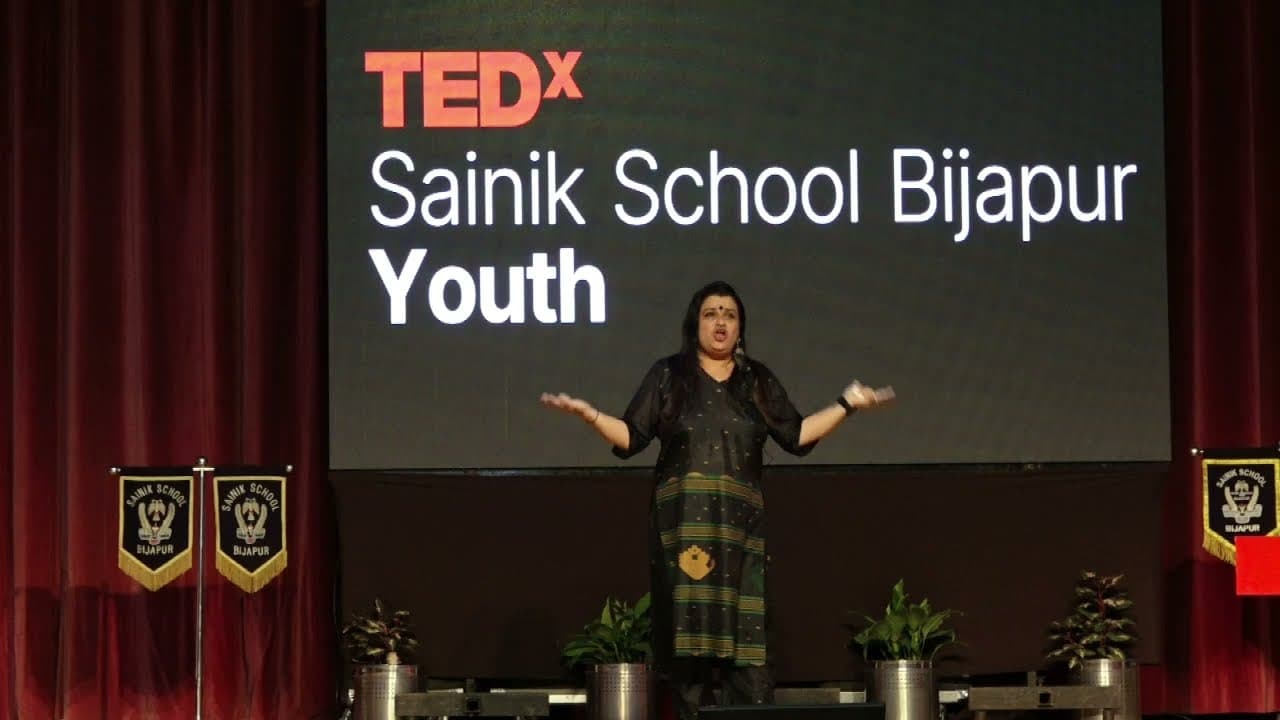
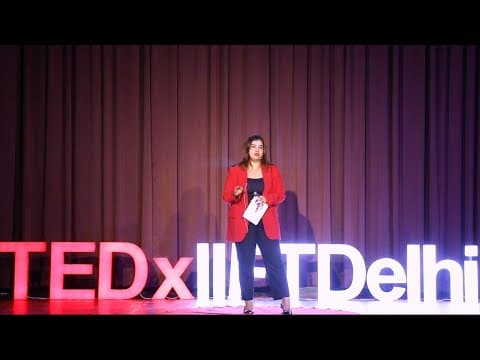
PARENTING | SHILPA SONAVANE | TEDxSainik School Bijapur Youth
TL;DR
The speaker emphasizes the importance of reverse psychology in parenting to bridge generational gaps.
Transcript
Good morning, honorary, my fellow guest, teachers, and my lovely my and you know what I'm talking about. Yes, you are al and between us who are born are known as sounds good, right? Okay. So today I'm going to talk about the book that is written and experiences and the journey I've gone through experiencing and discovering rediscovering myself like... Read More
Key Insights
- ◀️ Reverse psychology in parenting emphasizes understanding and adapting to the younger generation's mindset for better communication.
- 💤 There is a fundamental difference in upbringing and exposure between Gen X and Gen Z, impacting their perspectives and values.
- 💤 Gen Z is characterized as tech-savvy and more resilient, requiring Gen X parents to adapt their parenting styles accordingly.
- 👂 Effective parenting is rooted in the ability to listen actively and respond flexibly to the needs of children.
- 🫡 Bridging the generational gap is essential for mutual respect and understanding, allowing both generations to learn from one another.
- 👪 The speaker notes that relationships between parents and children need nurturing to strengthen family bonds and communication.
- 🥺 Accepting the strengths and qualities of each generation can lead to a more harmonious coexistence and mutual growth.
Install to Summarize YouTube Videos and Get Transcripts
Explore YouTube Video Summarizer or Get YouTube Transcript Extractor
Questions & Answers
Q: What is reverse psychology in parenting, and why is it important?
Reverse psychology in parenting involves understanding and adapting to the perspectives and behaviors of the younger generation to foster better communication and relationships. It is crucial as it allows parents and teachers to relate effectively to their children, bridging generational gaps and promoting mutual understanding.
Q: How does the speaker's background influence their parenting approach?
The speaker identifies as a Gen X parent raised in a different era, leading to initial challenges in adapting to Gen Z’s mindset. Their experiences have made them recognize the importance of flexibility and openness to new ideas, significantly influencing their approach to parenting and teaching.
Q: What challenges do Gen X parents face when raising Gen Z children?
Gen X parents often struggle to understand the fast-paced, tech-driven world their Gen Z children inhabit. They may find it difficult to adapt their traditional parenting styles to meet the needs of children who think and learn differently, resulting in communication barriers.
Q: In what ways can the gap between generations be bridged according to the speaker?
The speaker suggests that bridging the generational gap requires resilience, adaptability, and flexibility from Gen X parents. This includes being open to learning from their children, embracing new technologies, and fostering a culture of acceptance and understanding.
Q: What does the speaker mean by the "value for relationships" in generational contexts?
The speaker highlights that as generations evolve, the significance of building strong, trusting relationships diminishes, especially for Gen Z. They emphasize that both generations must work on valuing and nurturing these connections to enhance communication and mutual respect.
Q: How can educators benefit from understanding reverse psychology?
Educators can gain insights into the characteristics and needs of their students by understanding reverse psychology. This allows them to adopt teaching methods that engage students more effectively, creating a collaborative learning environment that accommodates both traditional and modern perspectives.
Q: Why is the speaker's relationship with their children significant to their views on parenting?
The speaker reveals that their children's insights and perspectives have profoundly influenced their parenting style. Their children’s ability to teach and guide them illustrates the reciprocal nature of learning in relationships, fostering a deeper bond and understanding.
Q: What is the overarching message the speaker conveys at the end of their discussion?
The speaker concludes with an optimistic call for generational acceptance and cooperation. They stress the importance of mutual learning, encouraging parents, teachers, and children to embrace each other’s strengths to foster positive change and growth in society.
Summary & Key Takeaways
-
The speaker discusses their personal journey as a Gen X parent navigating the complexities of the Gen Z mindset, highlighting the importance of understanding reverse psychology in parenting.
-
They argue that both Gen X and Gen Z have unique qualities, with Gen Z being more tech-savvy and resilient, necessitating a balance between the generations for effective parenting and teaching.
-
The content underscores the need for mutual understanding and acceptance, suggesting that reverse parenting can strengthen relationships between parents, teachers, and children.
Read in Other Languages (beta)
Share This Summary 📚
Summarize YouTube Videos and Get Video Transcripts with 1-Click
Try YouTube Summary with ChatGPT & Claude or YouTube Transcript Generator
Explore More Summaries from TEDx Talks 📚


Summarize YouTube Videos and Get Video Transcripts with 1-Click
Try YouTube Summary with ChatGPT & Claude or YouTube Transcript Generator