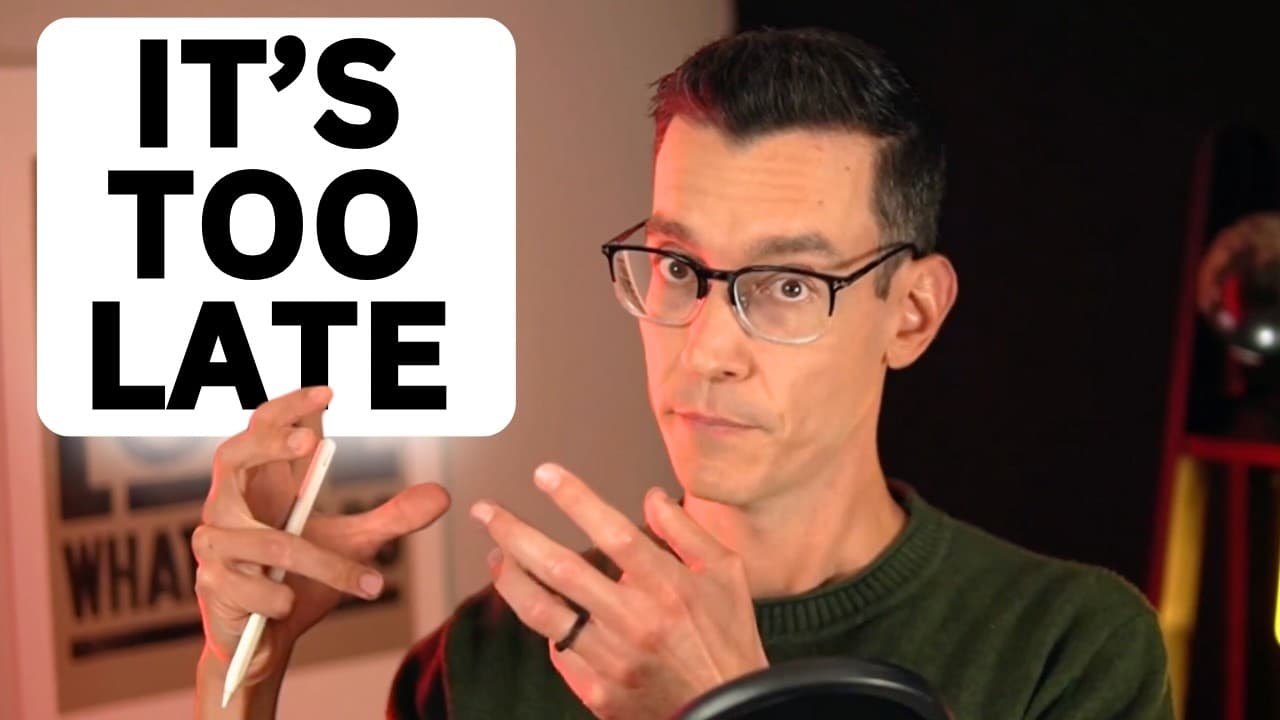
If you're in your 50s or 60s, watch this. Life Lessons from 70-year-olds
TL;DR
70-year-olds share crucial life advice for those in their 50s.
Transcript
we've been working with clients in their 60s and 70s for the last decade and a half and if they could go back to their 50-year-old selves and give them some advice this is what they'd say there's 10 things here and the seventh one is actually something that I'm struggling with and it's exactly what a a 70-yea... Read More
Key Insights
- Recognize the three life stages and the importance of balancing time, money, and health during the prime years of your 50s and 60s.
- Prioritize recovery time alongside career and relationships to maintain energy and well-being, as advised by those in their 70s.
- Learn to say no more often in your 50s to focus on activities that bring joy and align with personal needs.
- Value time over money, as time becomes increasingly scarce; consider ways to buy back time through outsourcing tasks.
- Invest in physical and mental health to extend healthy years and improve quality of life in later stages.
- Avoid the status game by reflecting on the motivations behind expensive purchases and consider renting experiences first.
- Track expenses early to prepare for potential increased spending in retirement and adjust plans accordingly.
- Cultivate connections with friends and family before retirement to ensure support and joy in later years.
Install to Summarize YouTube Videos and Get Transcripts
Explore YouTube Video Summarizer or Get YouTube Transcript Extractor
Questions & Answers
Q: What are the three stages of life discussed in the video?
The video outlines three life stages: the early years with time and health but less money, midlife with money and health but less time, and the later years post-retirement with money and time but declining health. It emphasizes a fourth stage in the 50s and 60s where all three elements can be balanced.
Q: Why is recovery time important according to the 70-year-olds?
Recovery time is crucial as it rejuvenates energy and maintains well-being. The video stresses that many people neglect this aspect in favor of career and relationships. Prioritizing activities that renew energy, like hobbies or exercise, enhances life quality and counterbalances life's demands.
Q: What is the advice given on managing expenses in retirement?
The advice is to start tracking expenses early using tools like Monarch Money to gain a realistic understanding of spending habits. This helps in planning for retirement, as initial retirement years often see higher expenses than anticipated, requiring adjustments to financial plans.
Q: How can one buy back time, according to the video?
Buying back time involves outsourcing tasks you dislike or are inefficient at, like car maintenance or home chores. This strategy allows individuals to spend time on more enjoyable activities, effectively gaining time by delegating less preferred tasks to others.
Q: What is the 'status game' and its implications as discussed in the video?
The 'status game' involves making purchases to signal success or fit into a social group. The video advises reflecting on the reasons behind such purchases, as they rarely bring lasting happiness. Renting experiences first can help determine if the purchase is necessary, potentially saving money.
Q: Why is it important to cultivate relationships before retirement?
Cultivating relationships before retirement is vital as it ensures a support network and enhances joy in later years. The video highlights that many regret not nurturing friendships earlier. Strong connections provide emotional support and a sense of belonging, which are crucial for life satisfaction.
Q: What role does health play in extending one's healthy years?
Investing in physical and mental health is key to extending healthy years. The video suggests regular exercise, meditation, and healthy habits can prolong vitality and delay the onset of age-related decline, thereby enhancing the quality of life in later years.
Q: What is the significance of planning for a purposeful retirement?
Planning for a purposeful retirement is crucial to avoid boredom and dissatisfaction. The video advises identifying passions and interests early to transition smoothly into a fulfilling retirement. Purpose-driven activities provide a sense of accomplishment and engagement, enhancing overall life satisfaction.
Summary & Key Takeaways
-
The video discusses advice from 70-year-olds to those in their 50s, emphasizing the importance of balancing time, money, and health. It highlights the need to prioritize recovery time, say no to unnecessary commitments, and value time over money.
-
The content encourages investing in health to extend one's healthy years and suggests avoiding the status game by reflecting on motivations behind purchases. It also advises tracking expenses early to manage retirement spending effectively.
-
Fostering connections with friends and family is crucial for support and joy in later years. The video also emphasizes planning for a purposeful retirement, not just a leisurely one, to enhance life satisfaction.
Read in Other Languages (beta)
Share This Summary 📚
Summarize YouTube Videos and Get Video Transcripts with 1-Click
Try YouTube Summary with ChatGPT & Claude or YouTube Transcript Generator
Explore More Summaries from Streamline Financial 📚

Summarize YouTube Videos and Get Video Transcripts with 1-Click
Try YouTube Summary with ChatGPT & Claude or YouTube Transcript Generator