Optional Discussion: The Day After Trinity
TL;DR
This discussion covers various aspects of the development and use of nuclear weapons, including their effects, military decision-making, and the role of key individuals such as J. Robert Oppenheimer and Edward Teller.
Transcript
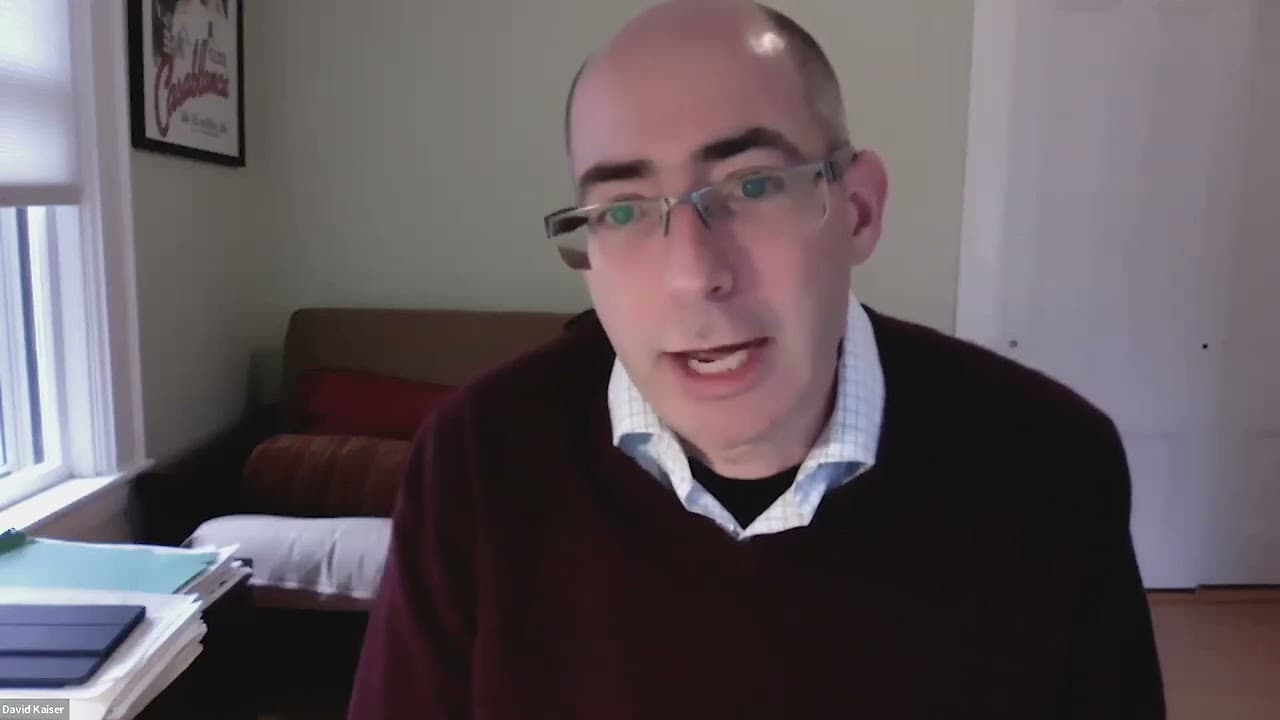
[SQUEAKING] [RUSTLING] [CLICKING] DAVID KAISER: Welcome, everyone. This optional informal discussion for 8.225 STS.042, as hopefully you all know, we're just going to take our time, just very informally chat about really anything that's on your mind around the most recent material, but in particular things that might have been curious, or puzzling,... Read More
Key Insights
- 👏 The development and use of nuclear weapons during World War II raised complex ethical and moral questions that still resonate today.
- 😒 The decision to use nuclear weapons and the subsequent impact on global geopolitics were influenced by various factors, including wartime urgency and the threat of Axis powers.
Install to Summarize YouTube Videos and Get Transcripts
Explore YouTube Video Summarizer or Get YouTube Transcript Extractor
Questions & Answers
Q: How did the scientists working on the Manhattan Project feel about their contribution to the war effort?
Many scientists were motivated by a desire to contribute to the defense effort and were deeply concerned about the unchecked military progress of the Nazis.
Q: Was there an alternative to using nuclear weapons against Japan?
It is still debated whether the use of nuclear weapons was necessary to end the war, as there were indications that Japan was seeking negotiations for peace.
Q: How were the dangers of radioactivity and fallout addressed during the Manhattan Project?
The scientists were aware of the dangers of radioactivity but did not have detailed knowledge about the long-term effects. Safety procedures were not always followed, leading to exposure and health risks for some workers.
Q: What role did Niels Bohr play in the discussion on the use of nuclear weapons?
Bohr tried to advocate for international cooperation and the need for a global dialogue on the risks and implications of nuclear weapons but was largely unsuccessful in influencing government decision-making.
Summary & Key Takeaways
-
The film "The Day After Trinity" is discussed, focusing on the surprising and puzzling aspects of the documentary.
-
Participants analyze the motivations of those involved in the development of nuclear weapons and the lack of knowledge about their long-term effects.
-
Questions are raised about the decision-making process behind the use of nuclear weapons and the extent to which they were treated as separate from conventional weapons.
-
Key insights include the complexity of the issue, the difficulties in assessing casualties, and the impact of nuclear weapons on global geopolitics.
Read in Other Languages (beta)
Share This Summary 📚
Summarize YouTube Videos and Get Video Transcripts with 1-Click
Try YouTube Summary with ChatGPT & Claude or YouTube Transcript Generator
Explore More Summaries from MIT OpenCourseWare 📚



Summarize YouTube Videos and Get Video Transcripts with 1-Click
Try YouTube Summary with ChatGPT & Claude or YouTube Transcript Generator