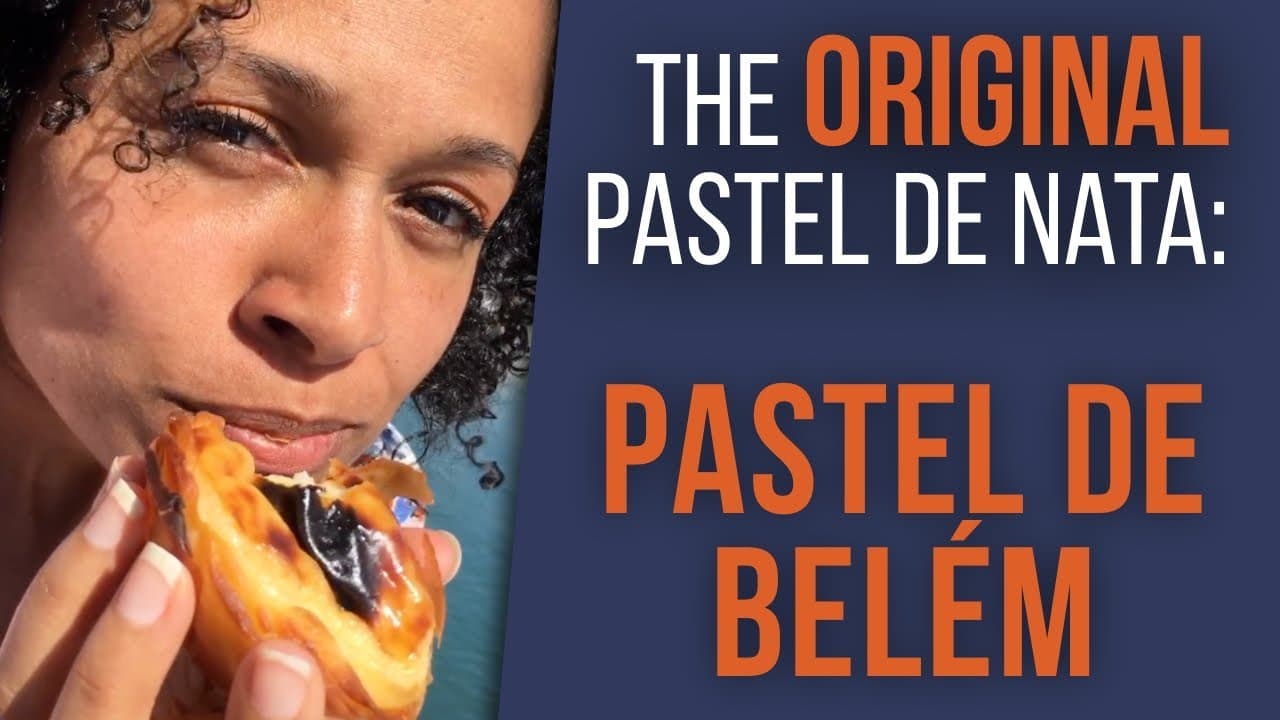
The history of the ORIGINAL Portuguese Custard Tart (Pastel de Nata) -Pastel de Belém [PT & EN subs]
TL;DR
Pastel de Belém's secret recipe is a Portuguese culinary icon.
Transcript
Hello, today we are in Belém and we came to taste the Pastéis de Belém. There is a lot of movement, many people, many cars, but let's take the opportunity to taste it and to get to know the origins of the pastel de Belém, the famous and so tasty pastel de Belém. Let's go. Hello. -Good Morning. -Good Morning. Welcome. Thanks. Sit down. So come on. I... Read More
Key Insights
- The Pastel de Belém originated at the Jerónimos Monastery, utilizing leftover egg yolks from nuns who used egg whites for ironing habits.
- After the liberal revolution in 1820, monasteries closed, and the Pastel de Belém recipe was sold at a local sugar refinery shop in Belém.
- The Pastel de Belém has remained in the same family since its commercialization, and it is only sold at the original shop in Belém.
- The production process of Pastel de Belém involves a secret recipe known only to a few trusted employees, ensuring its unique taste.
- The shop produces around 21,000 Pastéis de Belém daily, catering to both locals and tourists visiting Lisbon's historic sites.
- The pastry's production involves a meticulous process, including a secret workshop and careful quality control by experienced staff.
- Despite its popularity, the Pastel de Belém is not particularly high in calories, making it a guilt-free indulgence for many.
- The shop also offers other pastries and savory items, but the Pastel de Belém remains the best-selling product by a significant margin.
Install to Summarize YouTube Videos and Get Transcripts
Explore YouTube Video Summarizer or Get YouTube Transcript Extractor
Questions & Answers
Q: What is the origin of the Pastel de Belém?
The Pastel de Belém originated at the Jerónimos Monastery in Portugal. Nuns used leftover egg yolks to create the pastry, as they used egg whites for ironing habits. This practice was common in convents, leading to the creation of many egg yolk-based sweets in Portugal.
Q: How did the Pastel de Belém become commercially available?
After the liberal revolution in 1820, monasteries and convents were closed, including the Jerónimos Monastery. The recipe for Pastel de Belém was brought to a local sugar refinery shop in Belém, where it was sold and gradually gained popularity among locals and visitors.
Q: Why is the Pastel de Belém considered unique?
The Pastel de Belém is unique due to its secret recipe, which has been preserved within the same family for generations. Only a select few, trusted employees are privy to the recipe, ensuring that the original taste and quality are maintained and distinguishing it from imitations.
Q: How many Pastéis de Belém are produced daily?
The shop in Belém produces approximately 21,000 Pastéis de Belém daily. This high production volume caters to both locals and tourists who visit Lisbon's historic sites and seek to taste the original pastry, which is only available at the Belém shop.
Q: What is the significance of the secret workshop in the production of Pastel de Belém?
The secret workshop plays a crucial role in the production of Pastel de Belém. It is where the secret part of the recipe is prepared, accessible only to a few trusted employees. This ensures the authenticity and uniqueness of the pastry, maintaining its traditional flavor.
Q: Are Pastéis de Belém high in calories?
Pastéis de Belém are not particularly high in calories compared to other pastries. Each pastel contains around 150 calories, making it a relatively guilt-free indulgence for those who wish to enjoy the iconic Portuguese pastry without worrying about excessive caloric intake.
Q: What other products are available at the Belém shop?
In addition to Pastéis de Belém, the shop offers a variety of other pastries, savory snacks, and sandwiches. While these products are popular, the Pastel de Belém remains the best-selling item by a significant margin, attracting both locals and tourists alike.
Q: How is quality control maintained in the production of Pastéis de Belém?
Quality control in the production of Pastéis de Belém is maintained through meticulous inspection by experienced staff. The pastries are hand-made, and any that are burned, undercooked, or imperfect are removed from sale, ensuring that only the best quality products reach customers.
Summary & Key Takeaways
-
The Pastel de Belém originated at the Jerónimos Monastery, where nuns used leftover egg yolks to create this iconic pastry. After the closure of monasteries in 1820, the recipe found its way to a local sugar refinery shop in Belém.
-
The secret recipe for Pastel de Belém has been preserved within the same family for generations. Only a select few, deemed trustworthy, are entrusted with the recipe, ensuring its authenticity and unique flavor remain unchanged.
-
The shop in Belém produces approximately 21,000 Pastéis de Belém daily, catering to both locals and tourists. Despite its widespread imitation, the original pastry is only available at the Belém shop, making it a must-visit for visitors.
Read in Other Languages (beta)
Share This Summary 📚
Summarize YouTube Videos and Get Video Transcripts with 1-Click
Try YouTube Summary with ChatGPT & Claude or YouTube Transcript Generator
Explore More Summaries from Portuguese With Carla 📚






Summarize YouTube Videos and Get Video Transcripts with 1-Click
Try YouTube Summary with ChatGPT & Claude or YouTube Transcript Generator