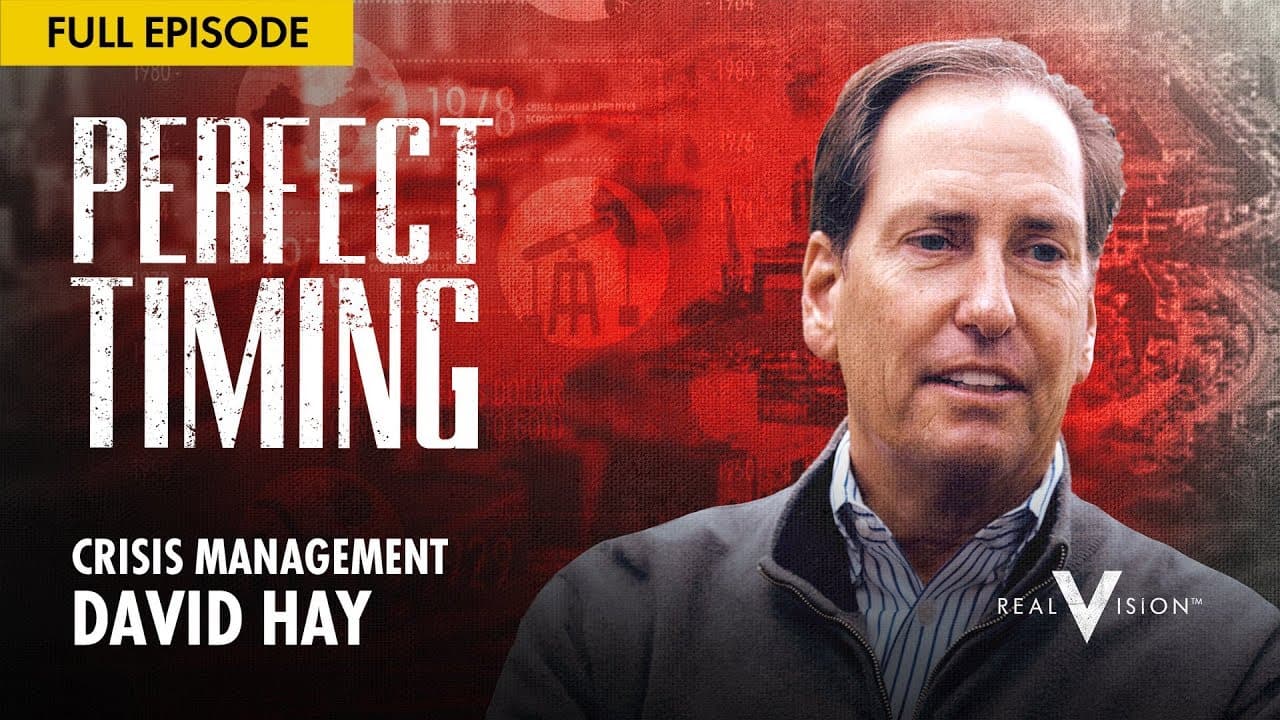
Crisis Management (w/ David Hay) | Perfect Timing
TL;DR
During market crises, communication between money managers and investors is crucial to provide guidance and reduce fear. Investors should reassess their investment objectives and consider rebalancing their portfolios to mitigate risk.
Transcript
By '08, the end of '08, early '09, it was terror like I've never seen. You could not reason with people. They were losing so much money so fast. I remember one client saying, if I keep losing at this rate-- this is like the January of '09-- I'll be out of money by the end of the year exactly. I mean, people that normally would be buyers in a weak m... Read More
Key Insights
- 🤑 Communication between money managers and investors is critical during market crises to provide guidance and reduce fear.
- ⚾ Reassessing investment objectives and rebalancing portfolios based on market conditions is essential to mitigate risk.
- ✋ Tangible investment options, such as high-yield corporate bonds, offer stability and potential returns during turbulent times.
- 😨 Emotional states of extreme fear or greed make it difficult for investors to make rational decisions.
- ❓ The timing and degree of market downturns are uncertain, but investors must mentally prepare for inevitable downturns.
- 🚕 The tax implications of making changes to investment portfolios can deter investors from reallocating assets.
- 🤑 Money managers can help investors by providing specific advice and recommendations based on individual circumstances.
Install to Summarize YouTube Videos and Get Transcripts
Explore YouTube Video Summarizer or Get YouTube Transcript Extractor
Questions & Answers
Q: How were professional money managers' messages of caution received during the 2008 recession?
Back in 2007, despite warning signs, many investors were unreceptive to cautionary messages, believing they were too alarmist. By 2008, when panic set in, people were losing money rapidly and were desperate for survival rather than investment opportunities.
Q: How did money managers communicate with investors during the market downturn?
Money managers emphasized the stability and high yield of alternative investments, such as preferred stocks and high-yield bonds. By offering tangible investment options, managers provided reassurance to investors, reminding them that even in a crisis, some companies would remain in business and generate returns.
Q: How do money managers deal with investors who are unwilling to listen during a crisis?
When investors are in a state of sheer terror, convincing them to listen becomes nearly impossible. However, most investors seek guidance during uncertain times, and money managers can present credible cases for reducing risk and achieving reasonable returns through less risky investment options.
Q: How should investors prepare themselves mentally for potential market downturns?
Investors should regularly review their investment objectives and consider their age as a factor for determining asset allocation. Rebalancing portfolios and reducing equity exposure during periods of market growth can help mitigate risk. However, investors often struggle to make necessary changes, especially when faced with tax consequences.
Summary & Key Takeaways
-
In times of financial crisis, retail investors often panic and are unreceptive to messages of caution from professional managers.
-
During the 2008 recession, investors experienced extreme fear and sought survival over investment opportunities.
-
Communicating tangible investment options, such as high-yield corporate bonds, can help ease investors' fears and maintain their trust.
Read in Other Languages (beta)
Share This Summary 📚
Summarize YouTube Videos and Get Video Transcripts with 1-Click
Try YouTube Summary with ChatGPT & Claude or YouTube Transcript Generator
Explore More Summaries from Real Vision 📚


Summarize YouTube Videos and Get Video Transcripts with 1-Click
Try YouTube Summary with ChatGPT & Claude or YouTube Transcript Generator