Modern Day Treasure Hunters - Unlimited Gold & Diamonds Still Being Searched For In 2022
TL;DR
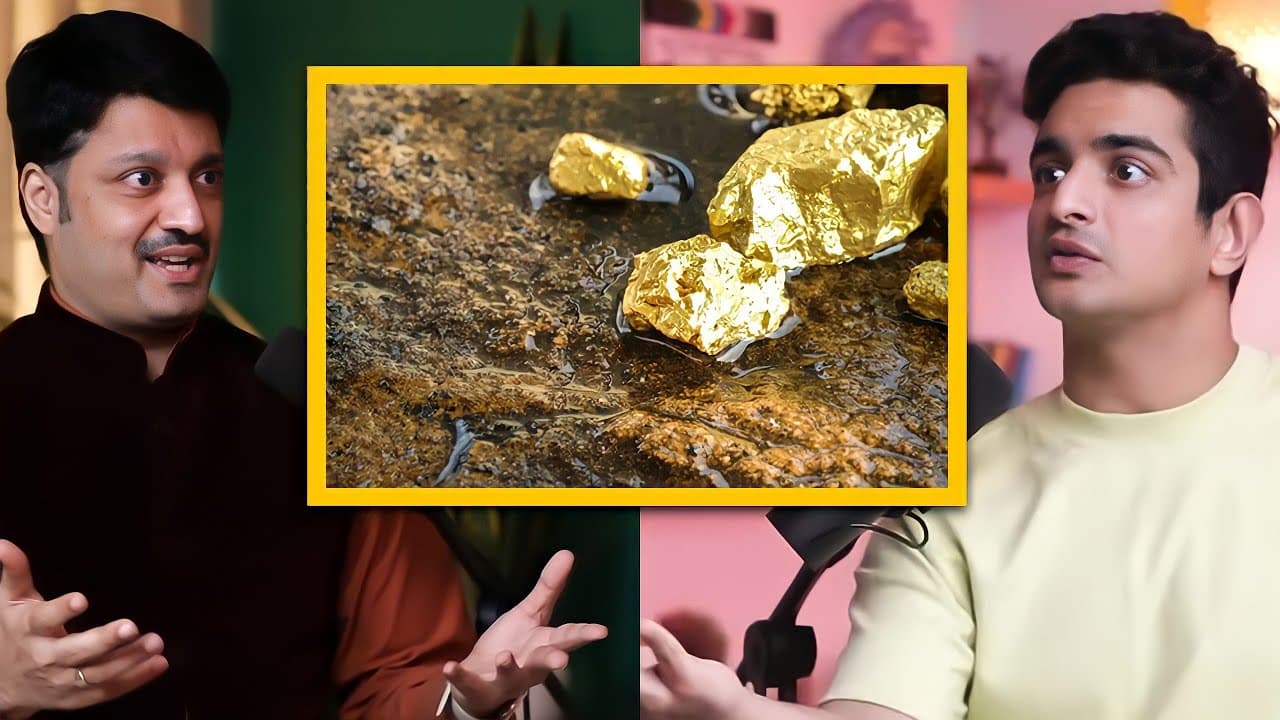
The existence of hidden treasures and their significance is explored, alongside modern treasure hunting practices.
Transcript
they say podcasts are going to replace books i don't know about that but i do think trs clips will assist your learning process are there are there a lot of hidden spots all over the planet which contain treasures even today yes they do yes they do so this is also like something which uh we've just scraped the the top so what you're saying is there... Read More
Key Insights
- ❓ Treasure can be subjective, encompassing both physical wealth and valuable knowledge, influencing how society perceives value.
- ❓ Historical treasures, such as those found in Egyptian tombs, are crucial to understanding ancient belief systems and cultural significance.
- 🤘 The durability and appeal of noble metals like gold and silver have cemented their importance in religious and societal contexts throughout history.
- 😚 Modern treasure-hunting efforts highlight a continuous human interest in uncovering lost artifacts and understanding their historical implications.
- 🤑 Myths and legends are powerful motivators for treasure hunters, encapsulating the intrigue and fascination associated with undiscovered riches.
- ❓ Ethical considerations surrounding the hoarding of treasures emphasize the importance of cultural heritage and responsible ownership.
- 🫵 Contemporary views on treasure broaden the concept to include knowledge and cultural experiences, encouraging exploration and learning.
Install to Summarize YouTube Videos and Get Transcripts
Explore YouTube Video Summarizer or Get YouTube Transcript Extractor
Questions & Answers
Q: What types of treasures are discussed in the content?
The content discusses both material treasures, such as gold and ancient artifacts, and the metaphorical treasure of knowledge. Material treasures can be found worldwide, while knowledge provides valuable insights into history and culture, enriching our understanding of societal development and human legacy.
Q: Why do ancient civilizations, like the Egyptians, bury treasures?
Ancient civilizations, particularly the Egyptians, buried treasures to ensure their importance in the afterlife. They believed that gold and artifacts would accompany them beyond death, providing them with power and status in a spiritual realm. This practice reflects their deep connection to belief systems and the value of material possessions.
Q: What is the significance of noble metals like gold and silver?
Noble metals, such as gold and silver, are valued for their durability and resistance to corrosion, meaning they can remain intact for centuries. Their shiny aesthetic also contributes to their desirability, making them ideal for use in sacred sites like temples and pyramids, where they symbolize wealth, power, and the divine.
Q: Are there contemporary treasure-hunting efforts underway?
Yes, there are active treasure-hunting efforts involving both official government initiatives and private treasure hunters. Many seek to uncover hidden treasures, whether submerged in oceans or buried on land. These pursuits often aim to reclaim items of historical significance for preservation or profit, showcasing humanity's ongoing quest for wealth and knowledge.
Q: How do modern-day perspectives on treasure differ from ancient beliefs?
Modern perspectives on treasure encompass a broader understanding, where cultural and historical significance is weighed alongside monetary value. While ancient beliefs were largely tied to spiritual symbolism and status in the afterlife, today’s value is often assessed through the lens of heritage preservation, tourism potential, and historical relevance.
Q: What role do myths and legends play in treasure hunting?
Myths and legends contribute significantly to the allure of treasure hunting, often serving as inspiration for expeditions. These narratives can fuel excitement, suggesting that treasures are hidden behind fantastical stories of magical creatures or lost civilizations, thus enticing hunters and historians alike to explore and uncover the truth behind these tales.
Q: What are the implications of hoarding historical treasures?
Hoarding historical treasures, whether by individuals or governments, raises ethical questions concerning cultural heritage and ownership. The act can lead to the loss of historical context and significance for communities, as well as hinder the collective understanding of human history, prompting debates over rightful ownership and the need for restitution.
Q: How do we view the concept of "treasure" in today's society?
In today's society, the concept of "treasure" extends beyond mere wealth; it encompasses cultural heritage, knowledge, and experiences that enrich lives. This broader interpretation encourages individuals to explore history and connect with their surroundings, recognizing that treasures can manifest in various forms, driving curiosity and a desire for discovery.
Summary & Key Takeaways
-
The discussion highlights the notion that treasure is subjective, encompassing both material wealth and knowledge, suggesting that hidden treasures exist worldwide, awaiting discovery.
-
Historical context is provided on the treasures, such as those found in Egyptian tombs, emphasizing their cultural value and efforts to protect and preserve these artifacts.
-
The conversation touches on the modern implications of treasure hunting, including government and private efforts to reclaim and manage treasures, as well as the motivations behind these pursuits.
Read in Other Languages (beta)
Share This Summary 📚
Summarize YouTube Videos and Get Video Transcripts with 1-Click
Try YouTube Summary with ChatGPT & Claude or YouTube Transcript Generator
Explore More Summaries from TRS Clips 📚





Summarize YouTube Videos and Get Video Transcripts with 1-Click
Try YouTube Summary with ChatGPT & Claude or YouTube Transcript Generator