The Inequality Problem Nobody Likes To Talk About
TL;DR
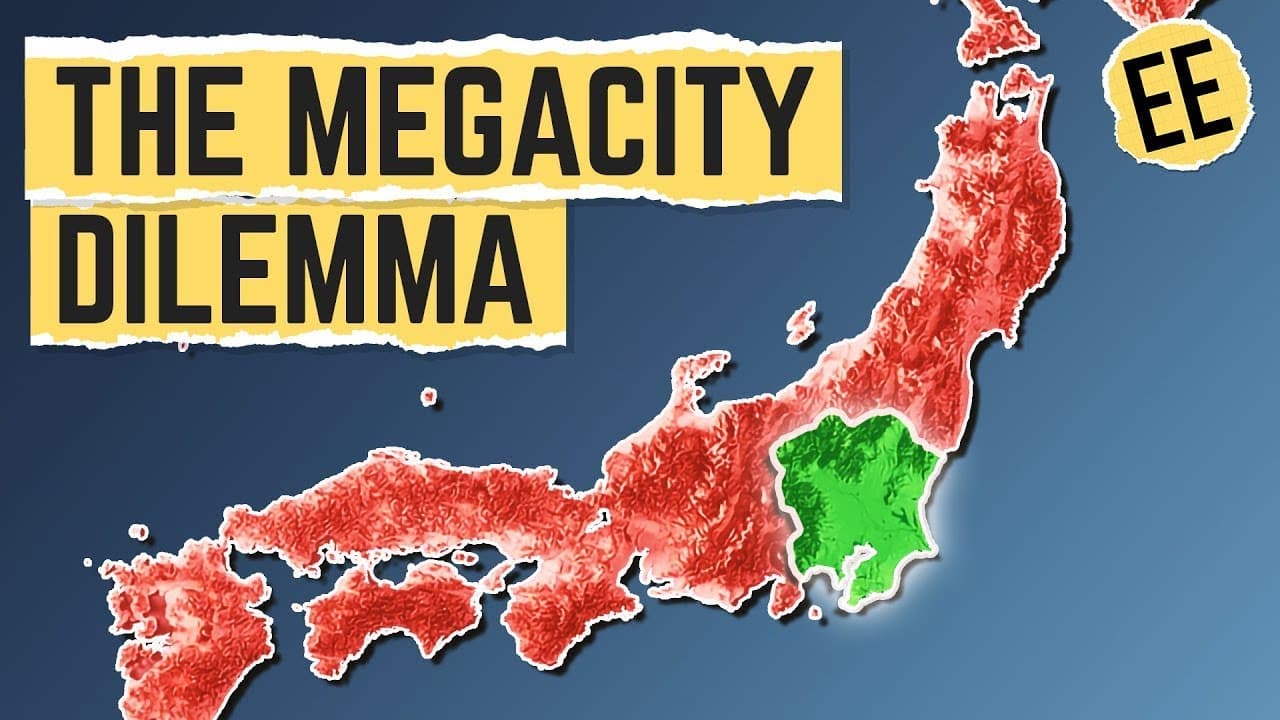
Tokyo thrives while Japan stagnates, highlighting regional economic inequality.
Transcript
Japan is the third largest national economy in the world today, which is especially impressive when you consider that it has been in a state of stagnation for three and a half decades, not seeing sustained growth since the early 1990s. But the fate of the wider Japanese economy lies in stark contrast to its capital, Tokyo, the largest and most econ... Read More
Key Insights
- Tokyo's economy contrasts sharply with Japan's stagnation, showcasing a two-speed economy where urban centers outpace rural areas.
- The disparity between Tokyo and rural regions is a common issue in advanced economies, potentially worsening without intervention.
- Regional inequality forces people into overcrowded cities, exacerbating housing and living cost issues, while rural areas lag behind.
- Purchasing power parity is crucial in comparing economies by adjusting GDP for cost of living differences, revealing true economic output.
- Mega cities like Tokyo drive innovation but are expensive, making it difficult for people to move in or out, affecting social mobility.
- Urban living conditions discourage family growth, contributing to aging populations and potential long-term economic challenges.
- Remote work and high-density housing can alleviate regional inequality, but implementation faces significant social and political resistance.
- Tokyo's economic output rivals entire nations, emphasizing its global economic significance despite Japan's overall stagnation.
Install to Summarize YouTube Videos and Get Transcripts
Explore YouTube Video Summarizer or Get YouTube Transcript Extractor
Questions & Answers
Q: What is the main economic issue highlighted in the video?
The video highlights the economic disparity between Tokyo and the rest of Japan, exemplifying a broader issue of regional inequality in advanced economies. This disparity creates a two-speed economy where urban centers thrive while rural areas lag, posing challenges to sustained economic growth and social mobility.
Q: How does purchasing power parity affect economic comparisons?
Purchasing power parity (PPP) adjusts GDP figures to account for differences in cost of living between economies, providing a more accurate comparison of economic output. By considering how much goods and services actually cost, PPP reveals the true economic strength of a region beyond nominal GDP figures, essential for international economic comparisons.
Q: Why are mega cities like Tokyo important for innovation?
Mega cities like Tokyo are crucial for innovation because they concentrate talent, industries, and resources, facilitating the exchange of ideas and fostering technological advancements. However, their high cost of living and housing challenges can restrict access and mobility, potentially limiting their innovative potential and contributing to broader economic inequality.
Q: What challenges do urban areas face regarding population growth?
Urban areas face challenges in population growth due to high living costs and limited housing space, discouraging family formation and contributing to aging populations. This demographic trend poses long-term economic risks, as fewer young workers enter the workforce to replace retiring older workers, affecting economic sustainability and growth.
Q: How can remote work help address regional inequality?
Remote work can help address regional inequality by reducing the need for workers to live in expensive urban centers, thereby decreasing housing demand and costs in these areas. It enables people to reside in more affordable regions while still participating in the urban economy, potentially balancing economic opportunities and fostering social mobility across regions.
Q: What are the potential downsides of encouraging remote work?
Encouraging remote work could lead to increased housing demand and rising costs in regional areas as workers relocate from urban centers. This shift might replicate urban housing challenges in smaller regions, creating new social issues and economic disparities, which policymakers must address to ensure balanced regional development and affordability.
Q: Why is high-density housing important for urban areas?
High-density housing is important for urban areas as it increases housing supply, potentially reducing costs and making cities more accessible for families. Properly managed, it can alleviate housing shortages, support population growth, and address the birth rate issue in cities, contributing to more sustainable economic and demographic development.
Q: What resistance do policymakers face in addressing regional inequality?
Policymakers face resistance from local residents and property owners who oppose rezoning and high-density developments due to concerns about property values and community changes. Additionally, political challenges arise from balancing the interests of urban and regional voters, making it difficult to implement policies that effectively address regional inequality and housing affordability.
Summary & Key Takeaways
-
Tokyo's economy thrives amidst Japan's stagnation, highlighting a growing economic divide between urban and rural areas. This disparity is common across advanced economies and poses challenges to sustained growth and social mobility.
-
Purchasing power parity helps adjust GDP figures for cost of living differences, providing a clearer picture of economic output. Tokyo's high productivity and innovation drive its economic success, but living costs and housing issues persist.
-
Remote work and high-density housing are potential solutions to regional inequality, but face resistance. Tokyo's economic impact is significant, rivaling entire nations, yet highlights broader issues of urban-rural disparity and economic sustainability.
Read in Other Languages (beta)
Share This Summary 📚
Summarize YouTube Videos and Get Video Transcripts with 1-Click
Try YouTube Summary with ChatGPT & Claude or YouTube Transcript Generator
Explore More Summaries from Economics Explained 📚




Summarize YouTube Videos and Get Video Transcripts with 1-Click
Try YouTube Summary with ChatGPT & Claude or YouTube Transcript Generator