Creating The First 3D Scan of an Endangered Species | Explorers In The Field
TL;DR
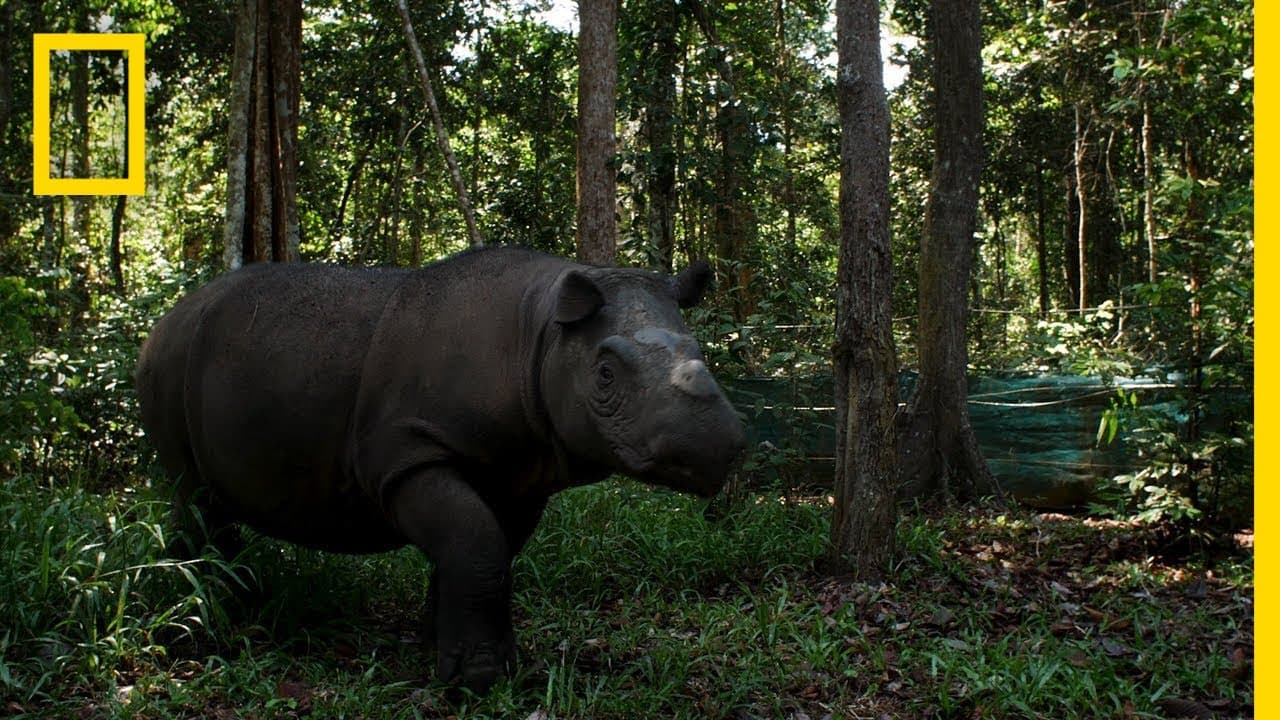
Using 3D scanning technology to preserve endangered species like the Sumatran rhino.
Transcript
things are disappearing at an increasing rate both animals and cultural sites 3d scanning is a way to digitally capture the world and make a copy of something my personal mission is to build technologies to help explore the worlds and the disappearing things around us whether they're cultural heritage sites archaeology sites or the natural world co... Read More
Key Insights
- 🛟 3D scanning technology is instrumental in preserving endangered species for future generations.
- 🦏 Photogrammetry is used to create detailed 3D models of live animals like the Sumatran rhino.
- ❓ Conservation efforts can benefit greatly from using 3D scanning technology for educational outreach.
- ©️ The emotional connection facilitated by digital copies of endangered species enhances conservation advocacy.
- 🫒 3D scanning live animals requires specialized techniques and synchronization of multiple cameras.
- ❓ Beyond preservation, 3D scans can be used for in-depth analysis of animal behaviors.
- 🈸 The application of 3D scanning technology extends to creating realistic animations of endangered species.
Install to Summarize YouTube Videos and Get Transcripts
Explore YouTube Video Summarizer or Get YouTube Transcript Extractor
Questions & Answers
Q: How is 3D scanning technology being used to preserve endangered species?
3D scanning technology is employed to create detailed 3D models of endangered species like the Sumatran rhino, allowing for preservation and educational outreach efforts.
Q: What challenges are faced when 3D scanning live animals like the Sumatran rhino?
Capturing live animals for 3D scanning presents challenges due to their movements, requiring the use of an array of synchronized cameras to freeze time and create accurate 3D models.
Q: What additional analysis can be conducted using 3D scans of endangered species?
Besides creating 3D models, 3D scans of endangered species can also be used for animal gait analysis to understand their movements and behaviors more deeply.
Q: What is the ultimate goal of creating digital copies of endangered species through 3D scanning?
The ultimate goal is to bring endangered species like the Sumatran rhino to the public through digital copies, creating emotional connections and raising awareness for conservation efforts.
Summary & Key Takeaways
-
3D scanning is utilized to capture endangered species like the Sumatran rhino for preservation and educational purposes.
-
The process involves using photogrammetry to create detailed 3D models of the animals in motion.
-
The ultimate goal is to create digital copies that can be accessed by everyone to build emotional connections with endangered species.
Read in Other Languages (beta)
Share This Summary 📚
Summarize YouTube Videos and Get Video Transcripts with 1-Click
Try YouTube Summary with ChatGPT & Claude or YouTube Transcript Generator
Explore More Summaries from National Geographic 📚
Summarize YouTube Videos and Get Video Transcripts with 1-Click
Try YouTube Summary with ChatGPT & Claude or YouTube Transcript Generator