Transference
TL;DR
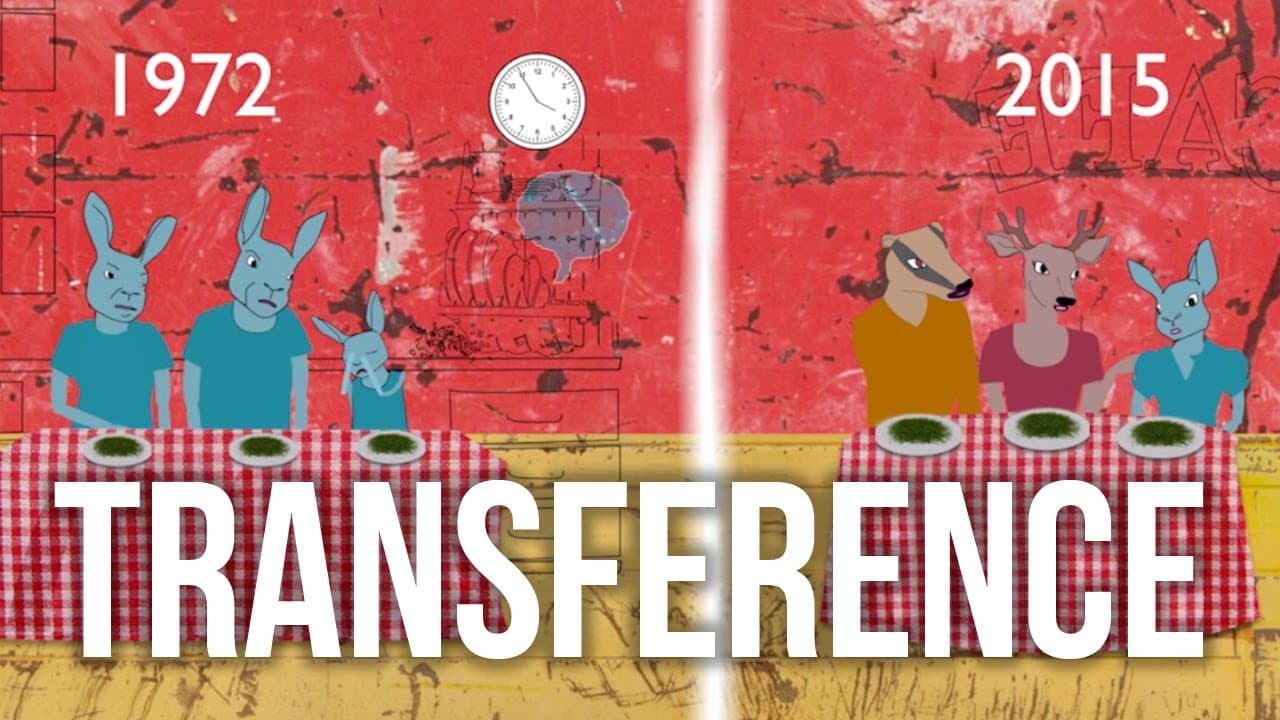
Transference shapes our feelings and behaviors based on past experiences with influential figures.
Transcript
transference is one of the most important and intriguing Concepts in Psychology it refers to the unconscious redirection of feelings from a person in one's past to another in the present knowing about the word in its meaning is a key to trying to become a slightly more mature and less dangerous person to be around at the heart of the theory of tran... Read More
Key Insights
- 🍝 Transference significantly affects relationships by projecting past experiences onto current figures, distorting interactions.
- 🎁 Understanding one’s transferences is essential for emotional maturity and developing healthy relationships based on the present.
- ❓ Common emotional patterns influenced by childhood include anxiety, mistrust, and overreactions to perceived threats.
- 🆘 Psychological assessments can reveal unconscious biases, helping individuals understand their responses.
- 😨 The Rorschach test illustrates how an individual’s interpretation of ambiguous stimuli reflects their internal beliefs and fears.
- 🥺 Acknowledging and addressing transferences can lead to more authentic interactions and personal growth.
- 🍝 Overcoming transferences involves consciously decoupling past experiences from present responses, promoting an accurate understanding of current realities.
Install to Summarize YouTube Videos and Get Transcripts
Explore YouTube Video Summarizer or Get YouTube Transcript Extractor
Questions & Answers
Q: What is transference and why is it important in psychology?
Transference is the unconscious process of redirecting emotions from significant people in our past, primarily parents, to others in our present. Understanding transference is crucial in psychology as it helps individuals identify and unravel hidden emotional patterns, fostering personal growth and healthier relationships.
Q: How do childhood experiences influence adult behavior?
Childhood experiences create powerful templates that dictate adult responses to authority, intimacy, and challenges. These early relationships shape how we perceive others, leading to tendencies like anxiety, suspicion, or emotional overreactions, thus affecting our interactions and decision-making in adulthood.
Q: Can we realize when transference is occurring in our lives?
Typically, individuals are unaware that they are experiencing transference, as it feels like instinctual reactions to the present situation. Recognizing these unconscious patterns requires self-reflection and psychological insight, emphasizing the importance of therapeutic practices aimed at fostering awareness.
Q: What methods do psychologists use to uncover transference tendencies?
Psychologists employ various exercises to reveal transference tendencies, including sentence completion and the Rorschach test. These techniques allow individuals to express their unconscious thoughts and feelings, which can highlight underlying fears, prejudices, and assumptions that shape their current emotional landscape.
Summary & Key Takeaways
-
Transference is the unconscious redirection of feelings from past figures, particularly parents, to present relationships, significantly shaping our expectations of others.
-
Our childhood experiences influence how we respond to authority, setbacks, and personal vulnerabilities, often leading to emotional misjudgments in adulthood.
-
Psychological exercises, like sentence completion and the Rorschach test, help individuals recognize their transferences to promote maturity and healthier responses to current situations.
Read in Other Languages (beta)
Share This Summary 📚
Summarize YouTube Videos and Get Video Transcripts with 1-Click
Try YouTube Summary with ChatGPT & Claude or YouTube Transcript Generator