The Man Who Froze To Death and Came Back To Life
TL;DR
Modern science has made it possible for people to be revived after freezing to death, thanks to advancements in medical technology and understanding of hypothermia.
Transcript
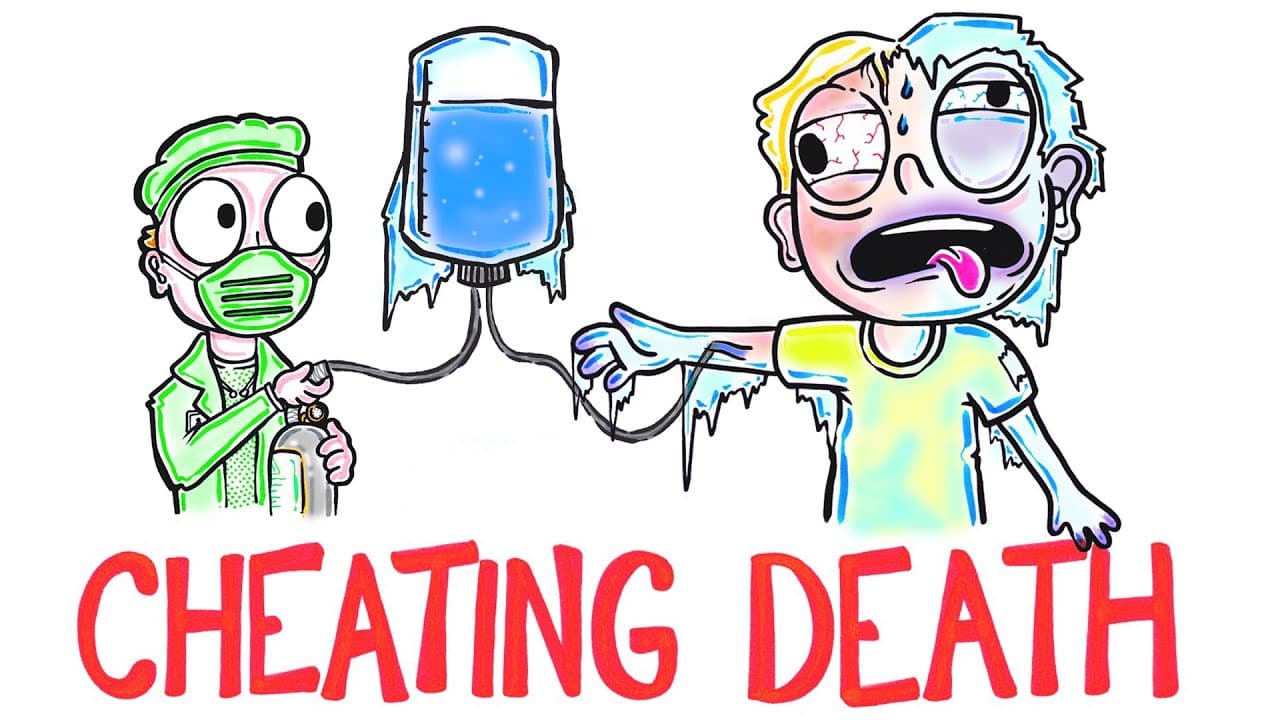
on February 21st 2015 Justin Smith was found by his father in the snow blue and lifeless he had frozen to death nearly 12 hours before or at least that's what the paramedics believed until one doctor was able to successfully thaw him out and oversee a full recovery what would otherwise be considered a miracle has actually become increasingly common... Read More
Key Insights
- 🙅 Cold therapy, such as cryotherapy, has been shown to activate molecules that make a person feel good and boost energy levels.
- 🥶 There is limited scientific evidence for the immune-boosting effects of cold therapy in humans.
- 🥰 The use of cold therapy and hypothermia treatment has extended beyond freezing to death, and it is now used for gunshot victims, heart attacks, spinal injuries, and premature babies.
- 🥶 1.5 billion people have a genetic mutation that makes them better at handling cold temperatures, but it also affects their ability to sprint.
- 🥶 Chronic exposure to cold can be dangerous and it is important to maintain homeostasis, but short-term exposure can have beneficial effects.
Install to Summarize YouTube Videos and Get Transcripts
Explore YouTube Video Summarizer or Get YouTube Transcript Extractor
Questions & Answers
Q: How is it possible to revive someone after they have frozen to death?
When the body is quickly frozen, the cells become lethargic and require less oxygen, allowing vital organs to survive even with a slowed heart rate and stopped breathing. By gradually warming the body and providing oxygenated blood, the person can be resuscitated.
Q: What is the role of bypass surgery in reviving hypothermic patients?
Bypass surgery is used to warm the body of a hypothermic patient. By redirecting the blood flow outside the body and warming it before returning it, the body temperature can be raised, allowing for resuscitation.
Q: Are there any long-term effects of freezing and being revived?
Frostbite is a common complication of freezing, and patients may lose extremities due to this. Additionally, there may be potential brain damage, and extensive rehabilitation is often required for full recovery.
Q: How does exposure to cold temperatures affect the human body?
Short-term exposure to cold temperatures can activate certain molecules in the body, such as beta endorphins and serotonin, which can make a person feel good and increase energy levels. However, chronic exposure to extreme cold can be dangerous.
Summary & Key Takeaways
-
Freezing to death can cause cellular damage and lead to organ failure, but if the body is quickly frozen, it can bypass the lethal damage.
-
Hypothermia slows down the body's metabolism, which reduces the need for oxygen and allows the body to survive even with a slowed heart rate and stopped breathing.
-
Advances in medical techniques, such as bypass surgery and extra corporeal membrane oxygenation, have allowed for successful resuscitation of hypothermic patients.
Read in Other Languages (beta)
Share This Summary 📚
Summarize YouTube Videos and Get Video Transcripts with 1-Click
Try YouTube Summary with ChatGPT & Claude or YouTube Transcript Generator
Explore More Summaries from AsapSCIENCE 📚




Summarize YouTube Videos and Get Video Transcripts with 1-Click
Try YouTube Summary with ChatGPT & Claude or YouTube Transcript Generator