What Does a Medical Examiner Do During an Autopsy?
TL;DR
A medical examiner's primary role is to conduct autopsies to determine the cause and manner of death, particularly in cases of non-natural fatalities. Autopsies involve a thorough external and internal examination of the deceased, documenting any injuries or diseases present, and are assigned unique case numbers for accurate tracking and reporting.
Transcript
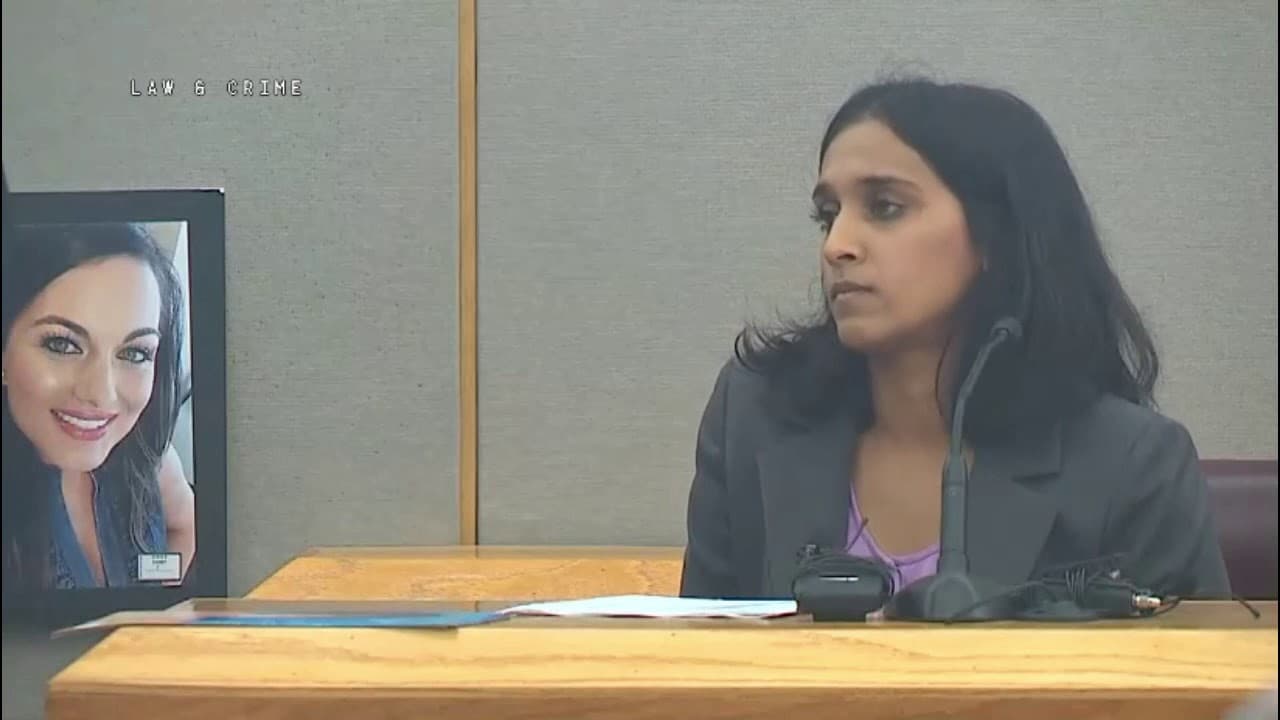
snick calls dr. Marsha pocket or good morning sir my name is dr. Varsha predatory is spelled v as in Victor AR sha and the last name is Pio DD u T u RI I'm currently an assistant medical examiner at the Harris County Institute of Forensic Sciences in Houston Texas two years and three months now I was our genetic forensic pathology fellowship at the... Read More
Key Insights
- 😷 Medical examiners conduct autopsies to determine cause and manner of death in forensic cases.
- ❓ Autopsies involve meticulous documentation of external and internal findings, including injury assessment and organ examination.
- 💼 Unique case numbers are assigned to autopsies to facilitate tracking and documentation of forensic evidence.
- 🪚 Gunshot injuries in forensic autopsies require detailed analysis of entry and exit wounds for trajectory determination.
- ❓ Traumatic injuries in forensic autopsies may indicate the manner of death, such as homicide.
- 👱 The presence of cloth or hair can affect the detection of forensic evidence like gunshot residue during autopsy examinations.
- 🎁 Autopsy reports include toxicology tests to identify substances like alcohol or drugs present in the decedent's system.
Install to Summarize YouTube Videos and Get Transcripts
Explore YouTube Video Summarizer or Get YouTube Transcript Extractor
Questions & Answers
Q: What is the primary role of a medical examiner in forensic pathology?
A medical examiner conducts autopsies to determine the cause and manner of death in cases with non-natural circumstances or unattended deaths.
Q: How are autopsies conducted, and what information is documented during the process?
Autopsies involve external and internal examinations to document injuries, diseases, and other pertinent findings, including unique case numbers for meticulous tracking.
Q: How does the presence of hair or clothing affect the detection of gunshot residue in a forensic autopsy?
Hair or clothing may preclude the detection of gunshot residue on skin, impacting the assessment of gunshot proximity and the range of the weapon.
Q: In a forensic autopsy, how does the trajectory of a bullet through the body help determine cause of death?
The trajectory of a bullet through specific body parts can provide insights into the cause of death and associated injuries, aiding in determining the manner of death.
Summary & Key Takeaways
-
Dr. Varsha describes the role of a medical examiner, who performs autopsies to determine cause and manner of death.
-
Autopsies involve external and internal examinations to document injuries, diseases, and potential factors affecting death.
-
Unique case numbers are assigned to autopsies for meticulous documentation and tracking of findings.
Read in Other Languages (beta)
Share This Summary 📚
Summarize YouTube Videos and Get Video Transcripts with 1-Click
Try YouTube Summary with ChatGPT & Claude or YouTube Transcript Generator
Explore More Summaries from Law&Crime Network 📚




Summarize YouTube Videos and Get Video Transcripts with 1-Click
Try YouTube Summary with ChatGPT & Claude or YouTube Transcript Generator