"A More Truly Christian Model of Slavery" - Professor Alec Ryrie
TL;DR
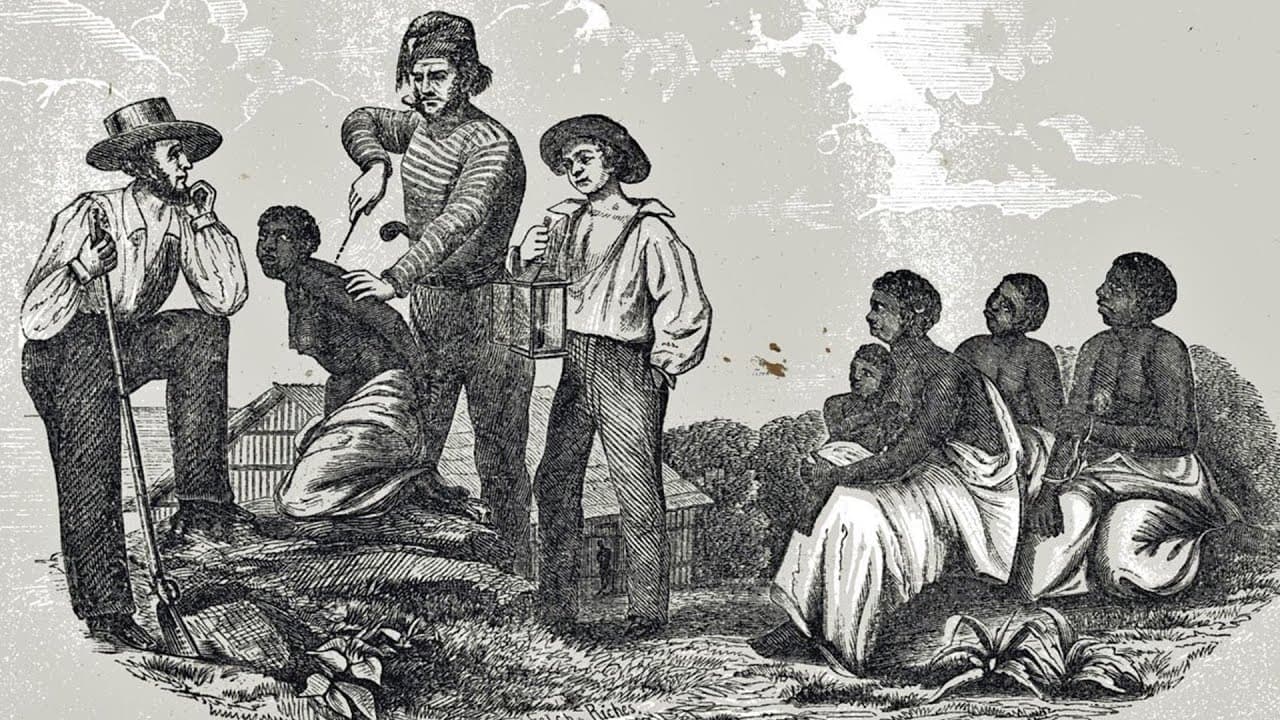
Southern slaveholders made a Christian argument for slavery, claiming it was a more benevolent and morally justified system than the free labor market, supported by biblical references. However, the reality of slavery contradicted these claims.
Transcript
in the new world's most anomalous slave society though the stories of stranger unlike in the caribbean slavery in the southern united states didn't depend on imports slaves birth rate exceeded their death rate thanks to a milder climate and to an agricultural economy centered on tobacco and cotton rather than sugar american slavery looked not just ... Read More
Key Insights
- 🥳 American slavery sustained itself through higher birth rates and an agricultural economy focused on tobacco and cotton.
- 🛄 Southern slaveholders argued for a Christian defense of slavery, claiming it as a morally justified and benevolent system.
- 👉 Abolitionists countered the Christian defense by pointing out the cruelty, racial basis, and lack of legal rights in American slavery.
- 🤍 Some anti-slavery white Protestants were persuaded by the Christian defense, but still advocated for emancipation and respected state autonomy.
Install to Summarize YouTube Videos and Get Transcripts
Explore YouTube Video Summarizer or Get YouTube Transcript Extractor
Questions & Answers
Q: How did American slavery differ from Caribbean slavery?
American slavery had a higher birth rate and relied on an agriculture-centered economy, while Caribbean slavery depended on importing slaves and sugar production.
Q: What was the Christian argument for American slavery?
Southerners argued that American slavery was a model of a well-ordered hierarchical society, beneficial to slaves, and supported by biblical references and mutual obligations.
Q: How did abolitionists respond to the Christian defense?
Abolitionists highlighted the cruelty of slavery, its racial basis, and the lack of legal recognition for slaves' marriages, and the prohibition of education for slaves. They argued that the Christian defense did not align with the reality of slavery.
Q: How did the pro-slavery argument affect white Protestants who were anti-slavery?
Many anti-slavery white Protestants were swayed by the Christian defense of slavery, considering it tolerable in principle under certain circumstances. However, they still pushed for emancipation and recognized each state's right to make its own decisions.
Summary & Key Takeaways
-
American slavery, unlike Caribbean slavery, sustained itself through a higher birth rate and an agricultural economy focused on tobacco and cotton.
-
Southern slaveholders argued that their version of slavery was a conscientious Christian model, supported by biblical references, and challenged the moral high ground of abolitionists.
-
Abolitionists countered the Christian defense by pointing out the cruelty, racial basis, and lack of legal rights for slaves.
Read in Other Languages (beta)
Share This Summary 📚
Summarize YouTube Videos and Get Video Transcripts with 1-Click
Try YouTube Summary with ChatGPT & Claude or YouTube Transcript Generator
Explore More Summaries from Gresham College 📚


Summarize YouTube Videos and Get Video Transcripts with 1-Click
Try YouTube Summary with ChatGPT & Claude or YouTube Transcript Generator