Why Don't We Throw Trash in Volcanoes?
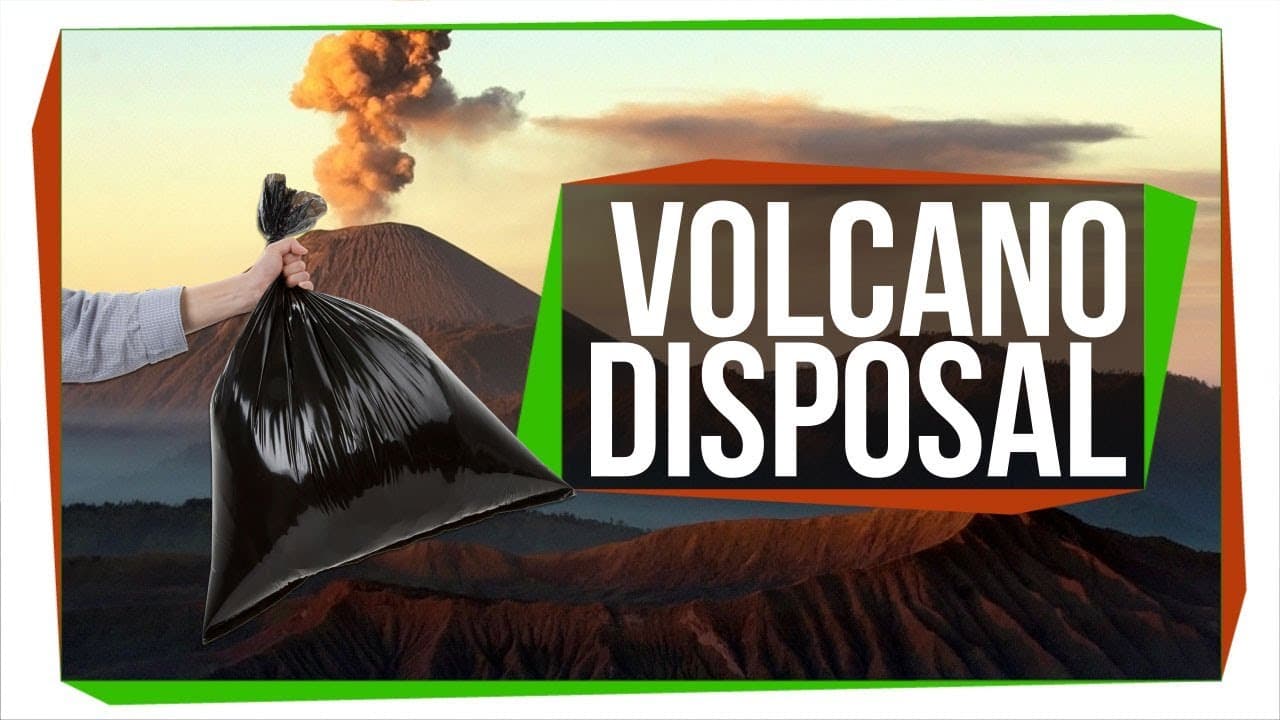
TL;DR
Throwing trash into volcanoes as a disposal method is not practical due to the high cost, potential risks of violent eruptions, and the explosive reactions from organic matter.
Transcript
Okay, humans, we make a lot of garbage, and we don't have any perfect solutions for what to do with it. So, instead of just putting it under the ground, why don't we just throw it into the volcanoes? Well, as convenient as burning our trash into oblivion might sound, a couple of major reasons to consider. For one thing sending all that trash to the... Read More
Key Insights
- 🌋 Trash disposal by throwing it into volcanoes is not feasible due to cost implications, potential eruption risks, and the explosive reactions from organic matter.
- 🌱 Cities have established waste management systems such as landfills and incineration plants for efficient and safer disposal.
- 💨 Recycling and composting are effective ways to minimize waste and reduce the burden on landfills.
- 🌋 Burning plastic waste in volcanoes would release harmful fumes.
- 👨🔬 Research is needed to understand the explosive reactions between organic matter and lava.
- 💦 Volcanoes are not always active and their craters are often filled with water, making disposal difficult.
- 🌋 Transporting trash long distances to volcanoes would be impractical and expensive.
Install to Summarize YouTube Videos and Get Transcripts
Explore YouTube Video Summarizer or Get YouTube Transcript Extractor
Questions & Answers
Q: Why is throwing trash into volcanoes not a viable solution?
While it may seem convenient, the cost of transporting trash to volcanoes and the potential dangers of eruptions make it impractical. Additionally, organic matter in trash can explode when exposed to lava.
Q: Can trash be disposed of in volcanoes with constant lava flows?
Even in volcanoes with calm lava flows, the explosion of organic matter remains a significant risk. Moreover, burning plastic waste releases toxic fumes, posing another problem.
Q: What are the alternative methods for waste disposal?
Landfill and incineration are common methods used by cities for waste disposal. Recycling and composting are also effective in reducing the amount of waste sent to landfills.
Q: Are there any benefits to using volcanoes for trash disposal?
While there may be potential for controlled scientific experiments, using volcanoes as a widespread garbage disposal method would result in dangerous lava fountains and environmental hazards.
Summary & Key Takeaways
-
Sending trash to volcanoes is expensive as most cities are far away from active volcanoes and already have established landfill and incineration systems.
-
Volcanoes are not always active and their craters are often filled with water, making disposal difficult and dangerous.
-
Organic matter in trash, when exposed to lava, can explode due to the expansion of steam from boiling water.
Read in Other Languages (beta)
Share This Summary 📚
Summarize YouTube Videos and Get Video Transcripts with 1-Click
Try YouTube Summary with ChatGPT & Claude or YouTube Transcript Generator
Explore More Summaries from SciShow 📚


Summarize YouTube Videos and Get Video Transcripts with 1-Click
Try YouTube Summary with ChatGPT & Claude or YouTube Transcript Generator