Photographing Animal Migrations, the Heartbeat of Yellowstone | Nat Geo Live
TL;DR
Pioneering conservation photography highlighting migration stories through captivating visuals.
Transcript
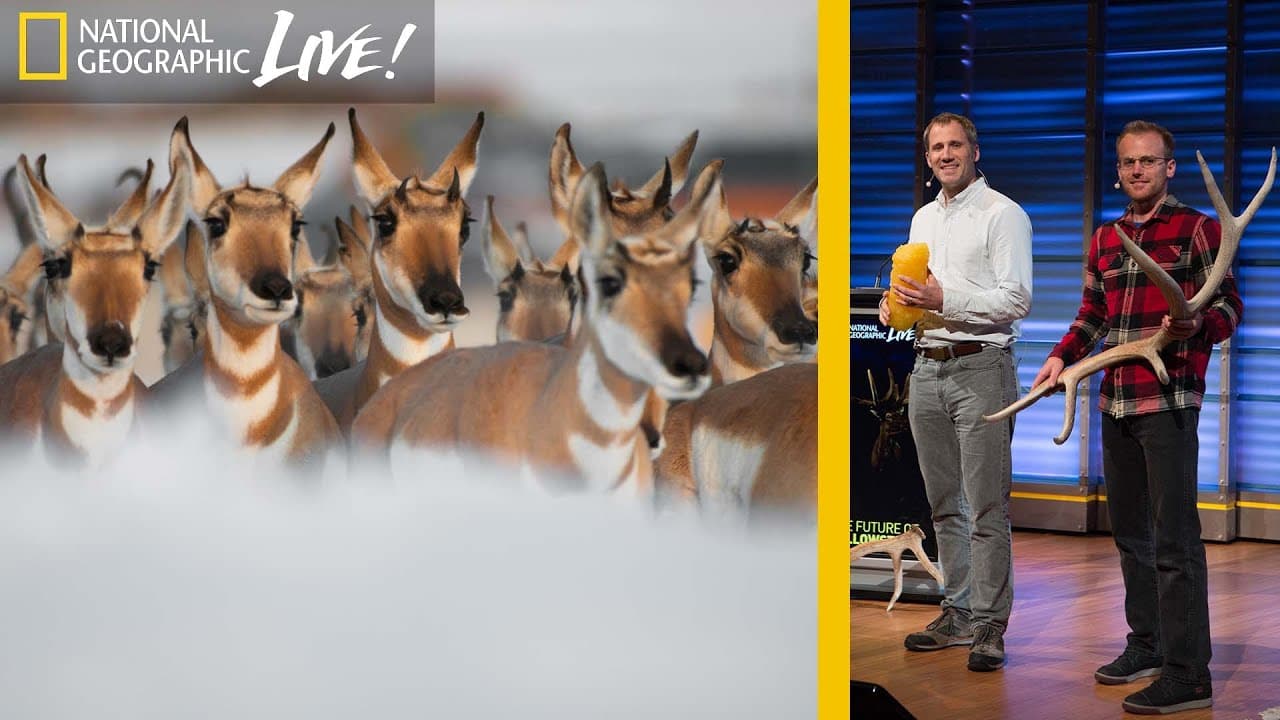
Joe: My goal with this project was to make five or ten really beautiful pictures. Essentially, giving a voice to these animals, a visual voice. And it was this picture right here that I think, gets at the essence of this migration. She is on the move. ( audience applause ) Arthur: Yellowstone was created 144 years ago. And it was created, origi... Read More
Key Insights
- ❓ Migration photography captures the essence and challenges of animal journeys, fostering conservation awareness.
- 🏈 Ancient Native American depictions of hoofed animals underscore the historical significance of migration in the Yellowstone area.
- ❓ Migration not only sustains wildlife populations but also supports the economic vitality of surrounding communities.
- 👨🔬 Collaboration between photography and research enhances conservation efforts and highlights the importance of preserving migration corridors.
- 💗 Documenting wildlife migrations requires dedication, endurance, and innovative technology to capture the pulse of a landscape.
- 🖐️ Conservation photography plays a crucial role in advocating for sustainable practices to protect migratory species and their habitats.
- 🪡 Modern challenges like housing developments and barriers threaten wildlife migrations, underscoring the need for proactive conservation measures.
Install to Summarize YouTube Videos and Get Transcripts
Explore YouTube Video Summarizer or Get YouTube Transcript Extractor
Questions & Answers
Q: What inspired Joe to start his photography project on animal migrations?
Joe's fascination with wildlife and migration, coupled with the lack of visual documentation, prompted him to embark on capturing the beauty and challenges of animal migrations, starting with pronghorn.
Q: How did the collaboration between Joe and Arthur contribute to conservation efforts?
Together, Joe's stunning visuals and Arthur's research on the motivations behind animal migrations shed light on the importance of conservation efforts to maintain the delicate balance in the Greater Yellowstone Ecosystem.
Q: Why are migration corridors crucial for wildlife preservation?
Migration corridors allow animals to access essential resources like fresh green grass, enabling them to thrive and contribute to the ecosystem's health and biodiversity.
Q: What significance did the discovery of elk migration patterns bring to the project?
Understanding elk migration, particularly linking Southern Wyoming to the Greater Yellowstone Ecosystem, expanded the project's scope beyond pronghorn, revealing the interconnectedness of wildlife movements in the region.
Summary & Key Takeaways
-
Photography project focused on showcasing the beauty and challenges of animal migrations, particularly pronghorn, elk, and mule deer in the Greater Yellowstone Ecosystem.
-
Emphasis on documenting ancient migration patterns and modern-day conservation efforts to protect these iconic species.
-
Collaboration between photographer Joe and researcher Arthur to capture and map the intricate movements of wildlife for conservation awareness.
Read in Other Languages (beta)
Share This Summary 📚
Summarize YouTube Videos and Get Video Transcripts with 1-Click
Try YouTube Summary with ChatGPT & Claude or YouTube Transcript Generator
Explore More Summaries from National Geographic 📚


Summarize YouTube Videos and Get Video Transcripts with 1-Click
Try YouTube Summary with ChatGPT & Claude or YouTube Transcript Generator