Why Fish Care About Forest Fires
TL;DR
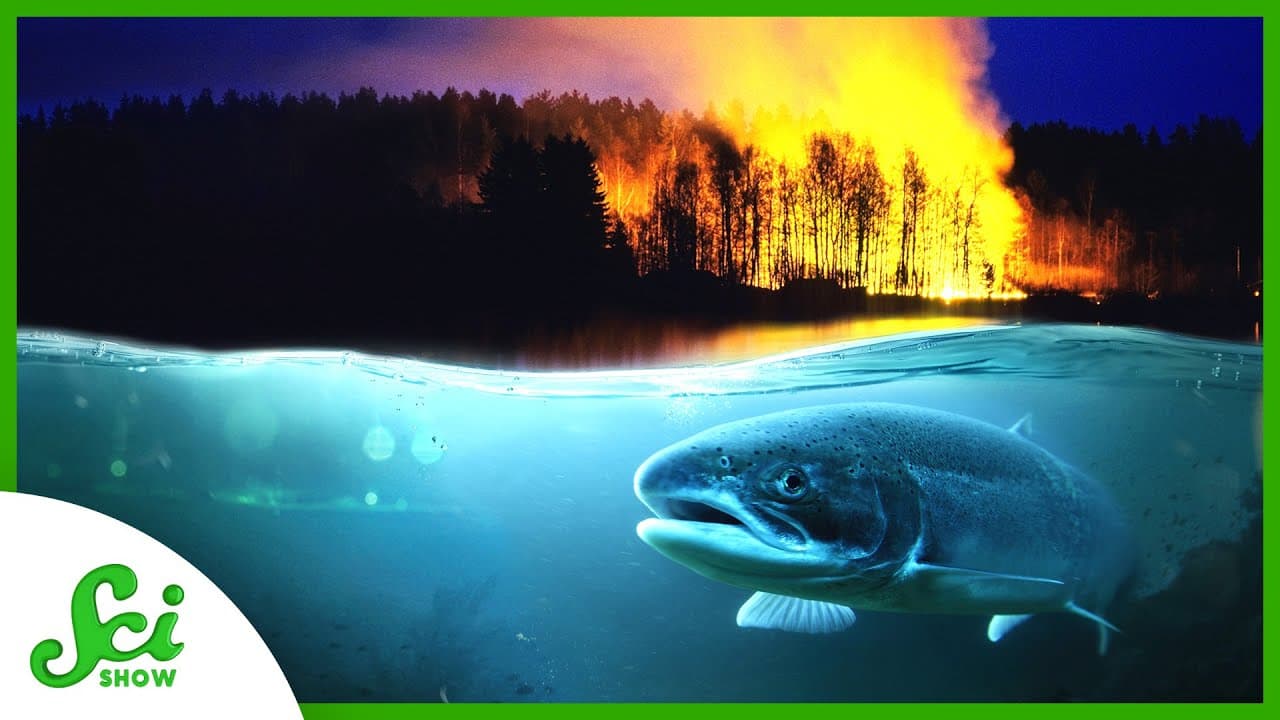
Wildfires can temporarily worsen the water quality in streams, lakes, and rivers, but in the long term, they can create new habitats for fish and improve ecosystem diversity.
Transcript
thanks to brilliant for supporting this episode of scishow to take your stem skills to the next level go to brilliant.org scishow for 20 off on annual premium subscription wildfires are all over the news these days in north america the number of forest fires has increased fourfold in the last couple of decades with fires lasting longer and getting ... Read More
Key Insights
- 🍉 Wildfires can have short-term negative effects on water quality in aquatic ecosystems due to debris and nutrient runoff.
- 🐟 Algal blooms caused by wildfires can deplete oxygen, posing a threat to fish and other aquatic organisms.
- 👶 However, over time, wildfires can create new habitats for fish, including log jams and deeper pools.
- ❤️🔥 Human intervention and fire suppression methods can be detrimental to fish populations and their ecosystems.
- 👻 Allowing some wildfires to occur and implementing controlled burns can support fish populations and ecosystem diversity.
- ✋ High-intensity wildfires pose a significant threat to ecosystems, and efforts to prevent them may be necessary.
- ❤️🔥 Proper fire management is crucial for balancing the ecological benefits of wildfires with the need to protect vulnerable species.
Install to Summarize YouTube Videos and Get Transcripts
Explore YouTube Video Summarizer or Get YouTube Transcript Extractor
Questions & Answers
Q: How do wildfires affect the water quality in aquatic ecosystems?
Wildfires can cause debris, nutrients, and sediment to enter bodies of water, leading to a drop in water quality and algal blooms. This can be detrimental to aquatic organisms reliant on oxygen.
Q: Can wildfires have any positive effects on fish populations?
Yes, wildfires can create new habitats for fish by creating log jams and deeper pools of water. These features provide hiding spots and cooler temperatures, benefiting fish that need these conditions for survival.
Q: How do human intervention and fire suppression methods impact fish?
Fire suppression methods, such as chemical fire retardants, can be toxic to fish and contribute to algal blooms. However, complete suppression of wildfires near streams can negatively impact fish species, leading to a decline in their populations.
Q: What is the recommended fire management strategy for supporting fish populations?
Researchers argue that managing forests and allowing regular, controlled burns can help support fish populations. This approach creates habitat variety and aids in the recovery of vulnerable species.
Summary & Key Takeaways
-
Wildfires have increased in frequency and intensity in North America, affecting various ecosystems.
-
Immediately after a wildfire, water quality in aquatic ecosystems drops due to debris and nutrient runoff, leading to algal blooms that deplete oxygen.
-
However, over time, burned trees and rocks can create new habitats for fish, such as log jams that provide hiding spots for juvenile fish and cooler pools for species that require lower temperatures.
Read in Other Languages (beta)
Share This Summary 📚
Summarize YouTube Videos and Get Video Transcripts with 1-Click
Try YouTube Summary with ChatGPT & Claude or YouTube Transcript Generator
Explore More Summaries from SciShow 📚


Summarize YouTube Videos and Get Video Transcripts with 1-Click
Try YouTube Summary with ChatGPT & Claude or YouTube Transcript Generator