How to Reduce Visceral Fat and Avoid Toxins
TL;DR
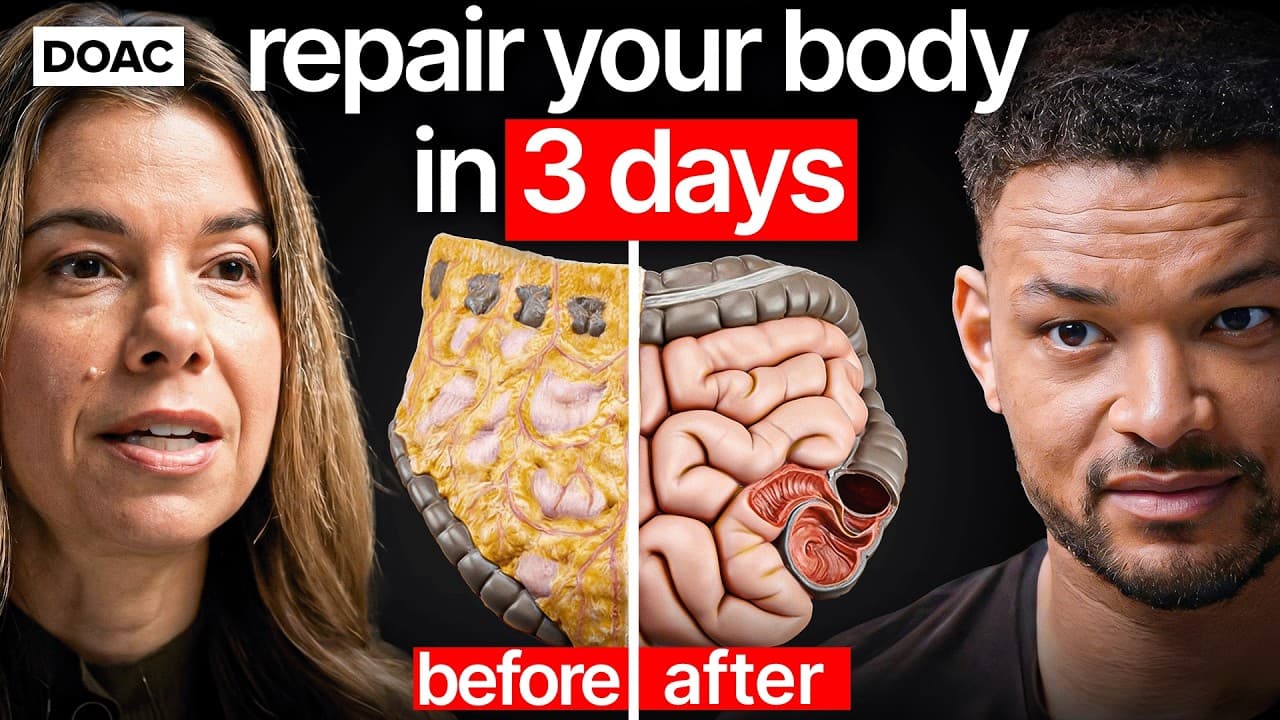
Visceral fat, unlike subcutaneous fat, surrounds internal organs and is linked to serious health issues, including increased mortality risk. Factors like aging, poor diet, lack of exercise, and exposure to environmental toxins like BPA contribute to its accumulation. Effective strategies to reduce visceral fat include regular aerobic exercise, intermittent fasting, and avoiding exposure to harmful chemicals in plastics and receipts.
Transcript
We are being bombarded with disrupting chemicals. A lot of them, they're in art products. >> Okay, let's go to my kitchen. Come with me. So, this is my fridge. >> So, the first thing I notice is this, cuz that's like the worst. >> Can I get a bin bag? >> This is made from recycled electronics. >> What about this? >> This is a problem also. >> And t... Read More
Key Insights
- Visceral fat is metabolically active and secretes inflammatory cytokines, which increase risks for diseases like cancer and metabolic syndrome.
- BPA found on receipts and in plastics disrupts hormones and lowers testosterone, especially in adolescent boys.
- Intermittent fasting aids in reducing visceral fat by promoting a caloric deficit and metabolic switch to fat burning.
- Regular aerobic exercise is crucial for reducing visceral fat, as it enhances metabolic adaptations and increases caloric expenditure.
- Environmental toxins like BPA, phalates, and PAS disrupt endocrine functions, affecting hormones like estrogen and testosterone.
- Sleep deprivation can rapidly increase visceral fat, as shown in studies where young men gained 11% more visceral fat after two weeks of restricted sleep.
- Diet quality, particularly avoiding caloric excess from processed foods, is a major factor in controlling visceral fat levels.
- Stress management and minimizing alcohol consumption are important in preventing visceral fat accumulation.
Install to Summarize YouTube Videos and Get Transcripts
Explore YouTube Video Summarizer or Get YouTube Transcript Extractor
Questions & Answers
Q: How to reduce visceral fat effectively?
Reducing visceral fat involves a combination of regular aerobic exercise, such as running or cycling, and dietary strategies like intermittent fasting to create a caloric deficit. It's also important to improve sleep quality, manage stress, and avoid exposure to environmental toxins found in plastics and receipts. These steps help decrease the metabolic activity of visceral fat and improve overall health.
Q: What are the health risks associated with visceral fat?
Visceral fat is linked to numerous health risks, including doubling the risk of early mortality, increasing the likelihood of developing metabolic syndrome, and elevating the risk of cancer, particularly metastatic cancer. It contributes to insulin resistance, which can lead to type 2 diabetes and disrupts normal metabolic functions, causing fatigue and cognitive issues.
Q: Why is BPA harmful and how can it be avoided?
BPA is harmful because it acts as an endocrine disruptor, mimicking hormones like estrogen and testosterone, which can lead to hormonal imbalances and health issues such as reduced testosterone levels. To avoid BPA, minimize the use of plastic containers, especially for hot or acidic foods, opt for BPA-free products, and avoid handling receipts, which are coated with BPA.
Q: What role does sleep play in visceral fat accumulation?
Sleep plays a critical role in visceral fat accumulation. Lack of adequate sleep can lead to rapid increases in visceral fat, as shown in studies where sleep-deprived individuals gained significant amounts of visceral fat within weeks. Sleep deprivation affects insulin sensitivity and metabolic processes, contributing to fat storage.
Q: How does intermittent fasting help with visceral fat reduction?
Intermittent fasting helps reduce visceral fat by creating a caloric deficit and promoting a metabolic switch from burning carbohydrates to burning fatty acids, which aids in fat loss. This process also enhances cognitive function and reduces inflammation, contributing to overall health improvements and reducing the risk of associated diseases.
Q: What are the effects of environmental toxins on health?
Environmental toxins, such as BPA, phalates, and PAS, disrupt endocrine functions by mimicking or blocking hormones like estrogen and testosterone. These disruptions can lead to hormonal imbalances, reduced fertility, accelerated aging, and increased risk of diseases like cancer and metabolic disorders. Reducing exposure to these toxins is crucial for maintaining hormonal and overall health.
Q: What dietary changes can help reduce visceral fat?
To reduce visceral fat, focus on consuming a balanced diet rich in whole foods, avoiding processed foods high in refined sugars and unhealthy fats. Incorporating high-fiber foods and maintaining a caloric deficit are effective strategies. Additionally, avoiding late-night meals and ensuring proper nutrient intake can further aid in reducing visceral fat levels.
Q: How does stress affect visceral fat accumulation?
Chronic stress contributes to visceral fat accumulation by elevating cortisol levels, which promotes fat storage, particularly around the abdominal area. Stress management techniques, such as mindfulness, exercise, and relaxation practices, can help mitigate this effect and support efforts to reduce visceral fat.
Summary & Key Takeaways
-
Visceral fat is a hidden health risk, surrounding organs and increasing mortality risk. It can be reduced through aerobic exercise, intermittent fasting, and by avoiding environmental toxins like BPA. Managing sleep, stress, and diet quality is crucial.
-
BPA and phalates, common in plastics and receipts, disrupt hormones and increase health risks. Avoiding plastic containers and opting for glass or stainless steel can reduce exposure.
-
Intermittent fasting and aerobic exercise help in reducing visceral fat by promoting a caloric deficit and enhancing metabolic function, while environmental toxins contribute to its accumulation.
Read in Other Languages (beta)
Share This Summary 📚
Summarize YouTube Videos and Get Video Transcripts with 1-Click
Try YouTube Summary with ChatGPT & Claude or YouTube Transcript Generator
Explore More Summaries from The Diary Of A CEO 📚






Summarize YouTube Videos and Get Video Transcripts with 1-Click
Try YouTube Summary with ChatGPT & Claude or YouTube Transcript Generator