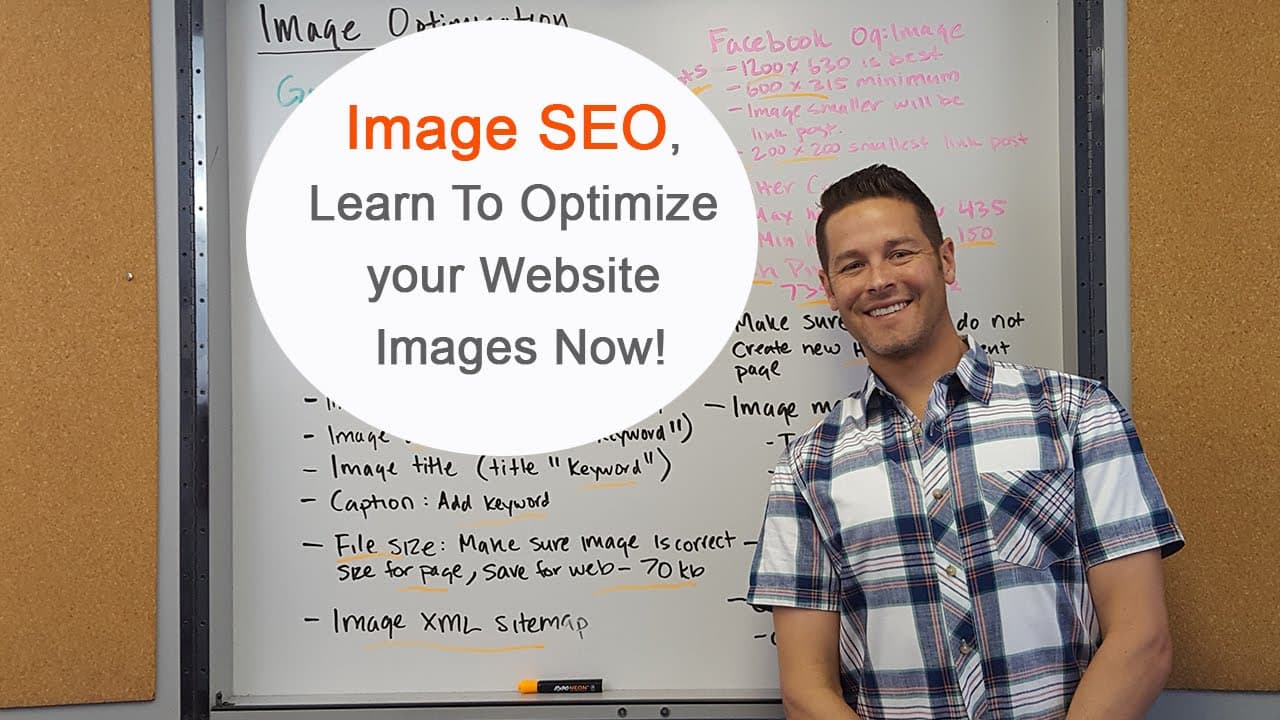
Image SEO, Learn To Optimize your Website Images Now! @johnelincoln
TL;DR
Learn how to optimize images for SEO and social media.
Transcript
okay hi everybody I'm John Lincoln with Ignite visibility and welcome to another edition of learning SEO with Ignite visibility today I'm going to talk about a really important topic and it's not just important for SEO it's also important for website development for page feed for social media marketing and that topic is image optimization so I've g... Read More
Key Insights
- Image optimization is crucial for enhancing page rankings and traffic by ensuring images are relevant to the page's keywords and properly optimized.
- Images can rank in Google Image Search, bringing additional traffic to websites if they are correctly optimized with relevant keywords and file names.
- Social media platforms like Facebook, Twitter, and Pinterest require specific image sizes and optimizations, such as Facebook Open Graph and Twitter Cards, to display correctly.
- Image file sizes should be minimized by saving them for web use, ensuring faster page loading times and better user experience.
- An image XML sitemap is essential for SEO, helping search engines index images effectively, especially for websites not using platforms like WordPress.
- Avoid creating new HTML attachment pages for images to prevent duplicate content issues and ensure images have unique URLs.
- Image metadata, particularly descriptive metadata, should be utilized to provide additional information about the image, aiding in better indexing and user understanding.
- Content Delivery Networks (CDNs) can alter image URLs, potentially affecting rankings, so it's crucial to implement 301 redirects to maintain traffic.
Install to Summarize YouTube Videos and Get Transcripts
Explore YouTube Video Summarizer or Get YouTube Transcript Extractor
Questions & Answers
Q: What are the main goals of image optimization?
The main goals of image optimization are to support page rankings and traffic by ensuring images are relevant to the page's keywords, to rank images in Google Image Search for additional traffic, and to ensure images display correctly on social media platforms, thereby enhancing overall visibility and engagement.
Q: How can image file sizes affect SEO?
Image file sizes can significantly impact SEO by affecting page load times. Large images can slow down a website, leading to a poor user experience and potentially lower rankings. By saving images for web use and ensuring they are appropriately sized, websites can improve load times, enhance user experience, and boost SEO performance.
Q: Why is an image XML sitemap important?
An image XML sitemap is crucial because it helps search engines index images more effectively. This is especially important for websites not using platforms like WordPress, where such features might not be automatically included. Proper indexing through a sitemap ensures that images are discoverable and can contribute to site visibility and traffic.
Q: What is the role of image metadata in optimization?
Image metadata, particularly descriptive metadata, plays a vital role in optimization by providing additional information about the image. This can include keywords, creator information, and descriptive notes. Metadata aids search engines in understanding the image's context, improving indexing and accessibility for users, especially those who are visually impaired.
Q: How do social media platforms affect image optimization?
Social media platforms affect image optimization by requiring specific image sizes and formats to display correctly. For instance, Facebook uses Open Graph, while Twitter uses Twitter Cards. Ensuring images meet these requirements helps them appear properly on social media, enhancing engagement and driving more traffic to the website.
Q: What are the risks of using Content Delivery Networks (CDNs) for images?
The risks of using CDNs for images include potential changes to image URLs, which can affect rankings and traffic if not managed properly. To mitigate these risks, it's essential to implement 301 redirects when URLs change, preserving existing rankings and traffic by guiding users and search engines to the new URLs.
Q: Why is it important to avoid creating new HTML attachment pages for images?
Avoiding the creation of new HTML attachment pages for images is important because these can lead to duplicate content issues. Duplicate content can confuse search engines and dilute the focus of the page, potentially harming rankings. Ensuring images have unique URLs without additional HTML pages helps maintain a clean, organized site structure.
Q: How can image optimization improve social media engagement?
Image optimization can improve social media engagement by ensuring images are the correct size and format for each platform. Utilizing tools like Facebook Open Graph and Twitter Cards ensures images display correctly, making them more attractive to users. Properly optimized images are more likely to be shared and clicked on, increasing engagement and driving traffic.
Summary & Key Takeaways
-
Image optimization enhances both SEO and social media presence by ensuring images are relevant to page keywords and properly formatted for various platforms. Key elements include using the correct file names, alt text, and metadata while maintaining optimal file sizes.
-
An image XML sitemap is vital for proper indexing, and avoiding new HTML attachment pages prevents duplicate content. Metadata provides additional context for images, improving both SEO and accessibility.
-
Social media optimization involves using specific image sizes and formats, such as Facebook Open Graph and Twitter Cards, to ensure images display correctly and attract more engagement. CDNs require careful handling to prevent URL changes affecting rankings.
Read in Other Languages (beta)
Share This Summary 📚
Summarize YouTube Videos and Get Video Transcripts with 1-Click
Try YouTube Summary with ChatGPT & Claude or YouTube Transcript Generator
Explore More Summaries from IgniteVisibility 📚


Summarize YouTube Videos and Get Video Transcripts with 1-Click
Try YouTube Summary with ChatGPT & Claude or YouTube Transcript Generator