How Do Nocturnal Insects Survive in the City?
TL;DR
Nocturnal insects like praying mantises and cockroaches exhibit remarkable survival strategies in urban environments. They adapt their hunting habits, utilize streetlights for stalking prey, and demonstrate quick reactions to threats, making them resilient despite their often-negative reputation. Cockroaches, for example, can survive without a mouth and possess backup brains, allowing them to thrive in the night.
Transcript
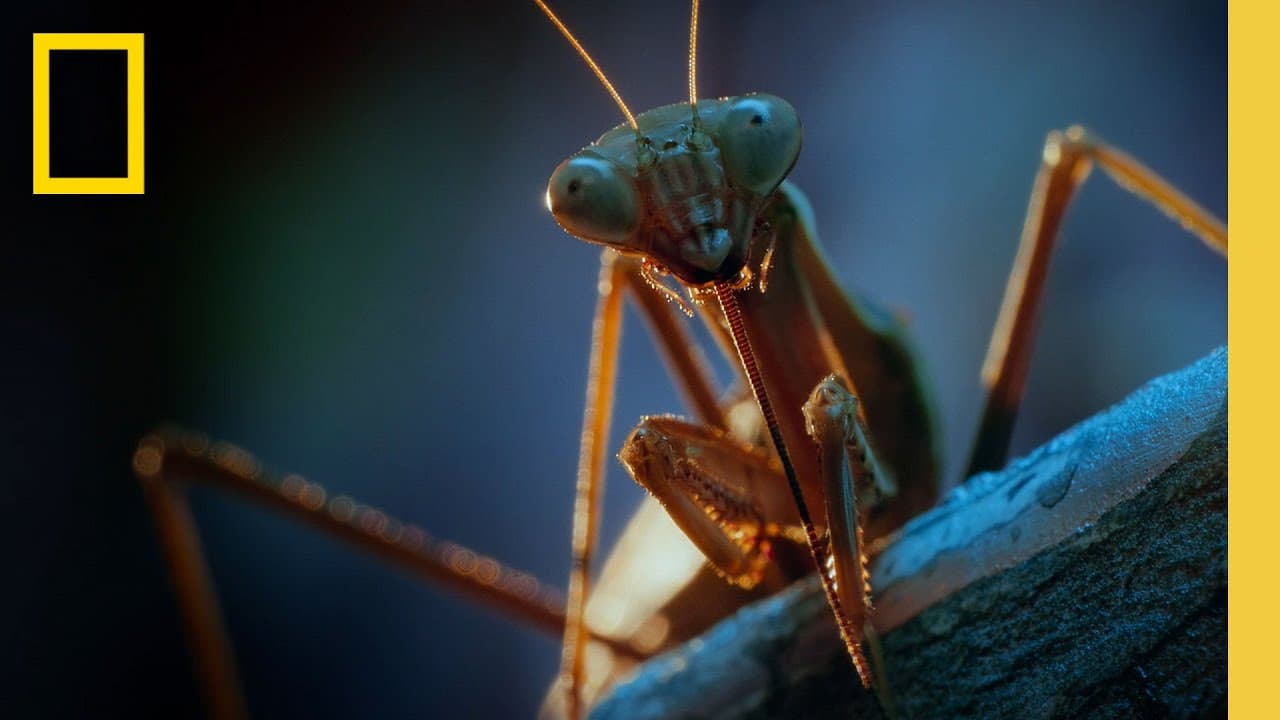
When the night shift begins, it's time for those hustlers, and stalkers to come out and play. Gotta find a safe place to sleep. Good thing he always carries a silk sleeping bag. Just find a place to sling it up, and he's snug as a bug in a— Oh, come on, man. Not him again! Praying mantises usually only hunt during the day. But under streetlight, th... Read More
Key Insights
- 👳 Nocturnal creatures like mantises adapt their hunting strategies to capitalize on urban environments.
- 🤑 The survival skills of cockroaches are impressive, from their quick reactions to their ability to survive for extended periods without a mouth.
- 👳 Urban environments provide unique challenges and opportunities for wildlife adaptation and coexistence.
- 👳 Understanding the behaviors and adaptations of nocturnal creatures offers valuable insights into their role in urban ecosystems.
- 👳 The diversity of nocturnal wildlife and their survival tactics in urban settings showcase the resilience of nature.
- 🪳 Observing the behaviors of creatures like cockroaches and mantises at night provides a glimpse into their secretive lives.
- 👳 Wildlife in urban settings often rely on human waste and infrastructure for survival, showcasing the interconnectedness of ecosystems.
Install to Summarize YouTube Videos and Get Transcripts
Explore YouTube Video Summarizer or Get YouTube Transcript Extractor
Questions & Answers
Q: How do praying mantises adapt to hunting at night?
Praying mantises usually hunt during the day, but under streetlights, they continue their predatory behavior, using silk screens for stealth and avoiding detection.
Q: What unique sleeping patterns do jumping spiders exhibit?
Jumping spiders, like humans, experience bursts of brain activity during sleep, prompting the question of what these spiders might dream about during their slumber.
Q: Why are cockroaches more active at night?
Cockroaches surface at night to avoid predators and scavenge for food in the safety of darkness, utilizing their heightened senses and survival instincts for movement detection.
Q: How do cockroaches demonstrate remarkable physical resilience?
Cockroaches possess tail-mounted sensors for detecting movements, allowing them to react quickly in the dark and survive crushing impacts, all while exhibiting unique behaviors like fake-outs for predators.
Summary & Key Takeaways
-
The narrator showcases how various nocturnal creatures such as praying mantises, jumping spiders, and cockroaches thrive during the night shift.
-
Despite their seemingly disgusting reputation, creatures like cockroaches demonstrate impressive survival skills.
-
Unique behaviors of these creatures, like hunting under streetlights and fake-outs for predators, are highlighted.
Read in Other Languages (beta)
Share This Summary 📚
Summarize YouTube Videos and Get Video Transcripts with 1-Click
Try YouTube Summary with ChatGPT & Claude or YouTube Transcript Generator
Explore More Summaries from National Geographic 📚



Summarize YouTube Videos and Get Video Transcripts with 1-Click
Try YouTube Summary with ChatGPT & Claude or YouTube Transcript Generator