Wildfires Make Their Own Weather, Including...
TL;DR
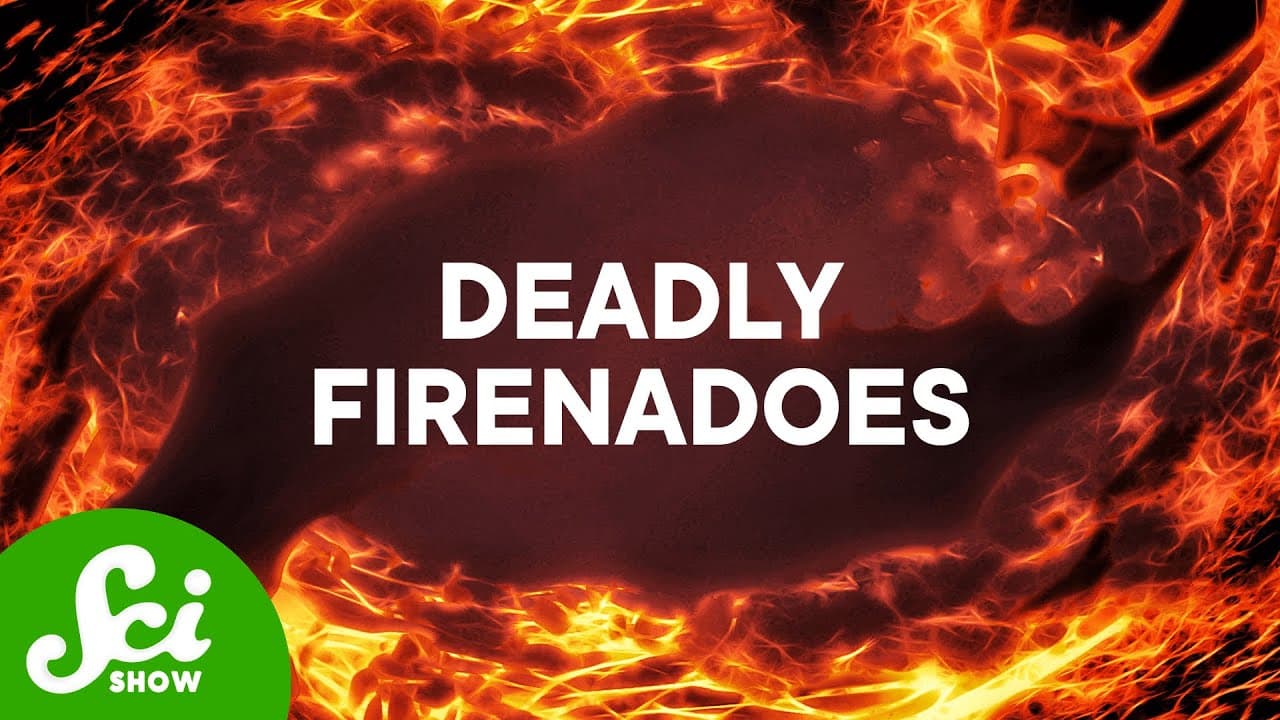
Wildfires can be intensified by changing weather conditions, such as wind patterns, pyrocumulonimbus clouds, and fire tornadoes.
Transcript
[♪ INTRO] When wildfires happen, we use models to predict how they’ll spread, but those models are missing some critical information. Like how wildfires can make themselves stronger by changing the weather. Without understanding how wildfires literally make themselves worse, we could be putting people and property in danger, especially as the... Read More
Key Insights
- ❤️🔥 Climate change contributes to the worsening of wildfires by creating drier conditions and prolonging the fire season.
- ❤️🔥 Understanding wind patterns is crucial for predicting how wildfires spread and where embers may ignite new fires.
- ❤️🔥 Pyrocumulonimbus clouds, formed by large fires, can alter wind patterns and create unpredictable winds and fire tornadoes.
- ❤️🔥 Weather conditions generated by wildfires, such as downbursts and lightning, can worsen fire behavior.
- ❤️🔥 Updated computer models that consider weather patterns have improved the accuracy of predicting past fire spread.
- 👨🔬 Further research and collaboration between scientists and emergency teams are essential for developing more accurate real-time wildfire prediction models.
- 🌍 In a changing world with increased wildfire frequency and intensity, updated models can be crucial for protecting human life.
Install to Summarize YouTube Videos and Get Transcripts
Explore YouTube Video Summarizer or Get YouTube Transcript Extractor
Questions & Answers
Q: How does climate change contribute to the increase in wildfires?
Climate change leads to drier conditions, making forested areas more susceptible to wildfires. It also prolongs the fire season and increases fire danger.
Q: How do wind patterns influence the spread of wildfires?
Prevailing winds can push fires in a specific direction, keep them contained, or split them into multiple fires. Wind patterns on smaller scales, such as those around mountains, can also impact fire behavior.
Q: What are pyrocumulonimbus clouds, and how do they affect wildfires?
Pyrocumulonimbus clouds are storm clouds formed by large fires. These clouds can alter wind patterns, create downbursts that spread embers, and generate unpredictable winds, including fire tornadoes.
Q: Can weather conditions generated by wildfires worsen the fire itself?
When rain falls into dry air created by fires, evaporation causes cooler air and downbursts. These downbursts can spread embers and intensify fire spread.
Summary & Key Takeaways
-
Wildfires are becoming more dangerous due to climate change, with warmer springs and longer dry seasons increasing fire danger.
-
Complex computer models are used to predict wildfire spread, but they often overlook crucial weather factors.
-
Wind patterns can drive wildfires in specific directions and carry embers that start new fires.
-
Large fires can create pyrocumulonimbus clouds, which affect wind patterns and can cause fire tornadoes.
Read in Other Languages (beta)
Share This Summary 📚
Summarize YouTube Videos and Get Video Transcripts with 1-Click
Try YouTube Summary with ChatGPT & Claude or YouTube Transcript Generator
Explore More Summaries from SciShow 📚
Summarize YouTube Videos and Get Video Transcripts with 1-Click
Try YouTube Summary with ChatGPT & Claude or YouTube Transcript Generator