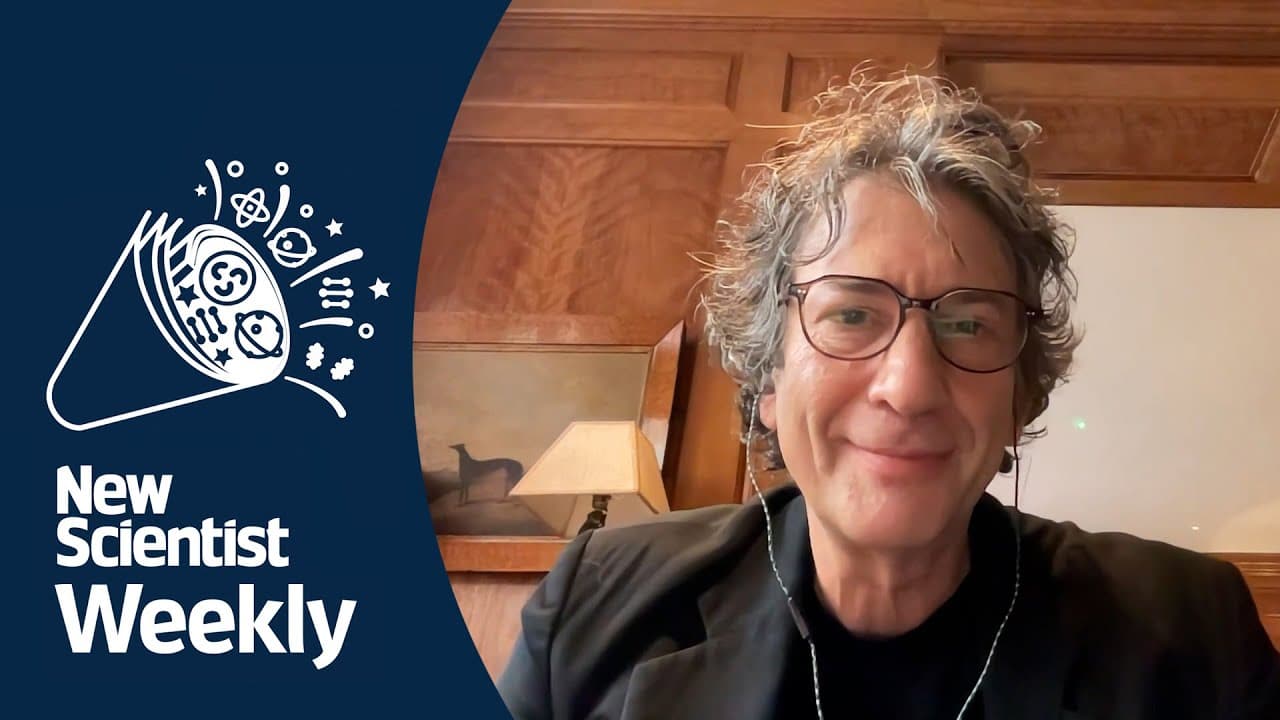
Neil Gaiman discusses the new Netflix show, Sandman | New Scientist Weekly podcast, episode 130
TL;DR
- Researchers are developing an artificial blood substitute to preserve cells and organs suffering from lack of oxygen, showing potential in rescuing biological functions post-death.
Transcript
it's summer sale time and we're giving podcast listeners an amazing 50 off an annual subscription to new scientists yeah this is a really incredible deal you can get unlimited access to all our articles on new scientist.com for under 50 pounds in the UK or under 50 in the US go to new scientist.com pod50 to get this absolute bargain hello and welco... Read More
Key Insights
- 🖤 The artificial blood substitute aims to preserve cells and organs suffering from a lack of oxygen, challenging conventional beliefs about cell death.
- 😷 Testing on pigs showed promising results in recovering organ cell functions, showcasing the potential of the artificial blood substitute in medical treatments.
- 🤨 The research raises questions about redefining death and the ability to rescue biological functions even after prolonged lack of blood supply.
- 🈸 The study not only focuses on the radical application of reviving individuals but also on the potential applications in organ transplant and treating conditions like heart attacks and strokes.
Install to Summarize YouTube Videos and Get Transcripts
Explore YouTube Video Summarizer or Get YouTube Transcript Extractor
Questions & Answers
Q: How does the artificial blood substitute aim to rescue cells and organs?
The artificial blood substitute contains hemoglobin, electrolytes, and nutrients to stop normal cell death processes due to the lack of oxygen, preserving biological functions.
Q: What are the potential applications of the artificial blood substitute?
The substitute could potentially save organs for transplant, aid individuals with heart attacks or strokes, and serve as a speculative method to help revive individuals who have drowned.
Q: How does the research challenge previous beliefs about cell survival post-death?
The study shows a longer window for rescuing biological functions after cell death, challenging the notion of irreversible cell death that occurs after oxygen deprivation.
Q: How do the results of the study impact the field of medical technology?
The research opens up new possibilities for preserving biological functions post-death and redefines the understanding of cell survival after oxygen deprivation.
Summary & Key Takeaways
-
Researchers at Yale University are working on an artificial blood substitute containing hemoglobin, electrolytes, and nutrients to rescue cells and organs from lack of oxygen.
-
Tests on pigs showed remarkable recovery of organ cell functions with this artificial blood substitute.
-
While not reviving animals from the dead, the research challenges previous notions of irreversible cell death post-lack of blood supply.
Read in Other Languages (beta)
Share This Summary 📚
Summarize YouTube Videos and Get Video Transcripts with 1-Click
Try YouTube Summary with ChatGPT & Claude or YouTube Transcript Generator
Explore More Summaries from New Scientist weekly podcast 📚


Summarize YouTube Videos and Get Video Transcripts with 1-Click
Try YouTube Summary with ChatGPT & Claude or YouTube Transcript Generator