How the Reformation Trained Us to be Sceptics
TL;DR
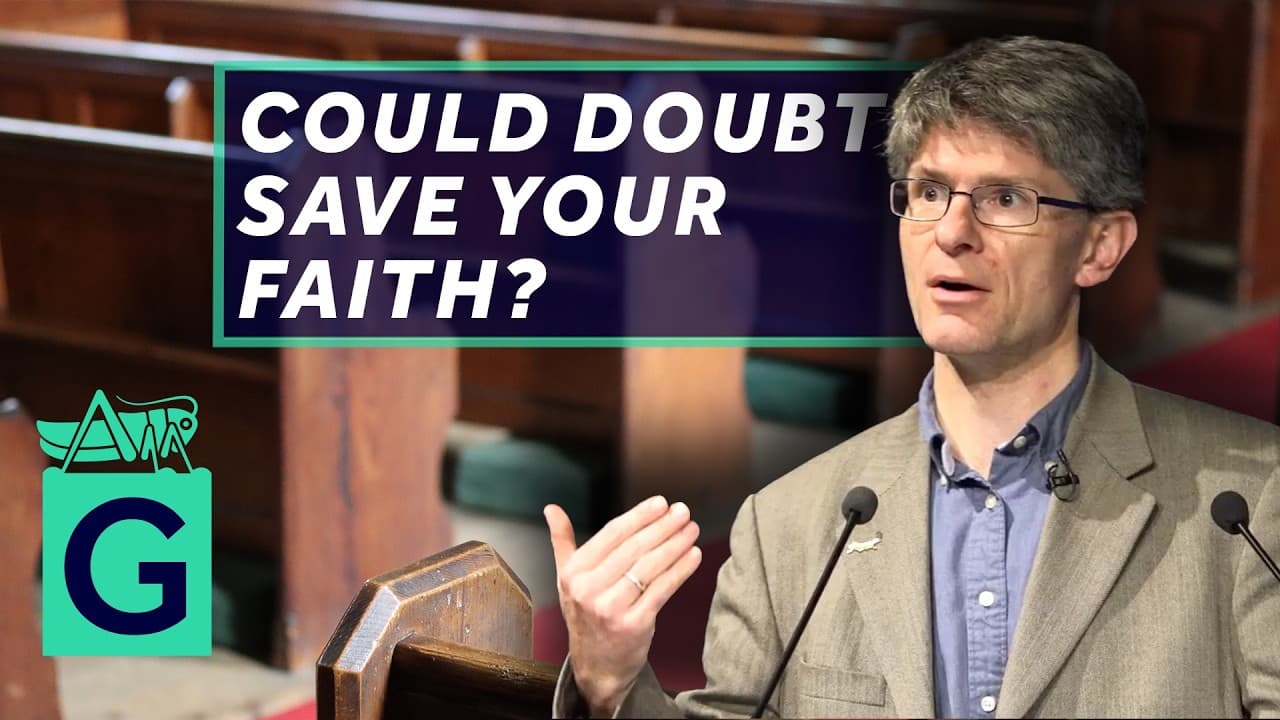
The battle for credulity and faith in post-Reformation Europe involved individuals grappling with doubt and skepticism, leading to different ways of navigating religious beliefs.
Transcript
last time we were hunting that elusive Beast the medieval atheist but now as we come into the 16th century our quarry is starting to break cover this is the century when Western Christendom is unity is shattered by the Protestant Reformation and the age of religious division and war that it triggered it's also the age when the word atheist came int... Read More
Key Insights
- 🥺 The Protestant Reformation led to the confining of religion to the private sphere and the creation of a new secular public space.
- 😉 Unbelief played a significant role in the Reformation, with Protestants willing to risk flirting with unbelief to escape superstition.
- 💍 Catholics and Protestants engaged in a battle of credulity and incredulity, accusing each other of disbelief and false beliefs.
Install to Summarize YouTube Videos and Get Transcripts
Explore YouTube Video Summarizer or Get YouTube Transcript Extractor
Questions & Answers
Q: How did the Protestant Reformation contribute to the confining of religion to the private sphere?
The Protestant Reformation shattered the unity of Western Christendom, leading to religious division and conflict. To avoid further destruction, people and governments confined religion to the private sphere, creating a new secular public space.
Q: How did unbelief play a role in the Reformation?
Unbelievers were a decisive part of the Reformation, with Protestants seeing their movement as a crusade against superstition. They risked flirting with unbelief to escape "pestiferous dung of Papistry" and push for reforms.
Q: What approach did Catholics take towards credulity and incredulity during the Reformation?
Catholics emphasized defending their doctrines as logical and rational, while accusing Protestants of falling into incredulity. They argued that Protestants were revealing themselves to be faithless, rather than making mistakes about theology.
Q: How did philosophical skepticism influence beliefs during post-Reformation Europe?
Philosophical skepticism led individuals to doubt and question all knowledge, including religious beliefs. Some individuals, like Montaigne, embraced uncertainty and recognized the limitations of human reason, while others, like William Chillingworth, tried to find a balance between doubt and belief.
Summary & Key Takeaways
-
In the 16th century, Western Christendom was divided by the Protestant Reformation, leading to religious division and war. The word "atheist" came into common usage during this period.
-
Ordinary people and governments began confining religion to a private sphere to avoid conflict, creating a new secular public space.
-
Unbelief played a significant role in the Reformation itself, with Protestants willing to risk flirting with unbelief to escape superstition.
Read in Other Languages (beta)
Share This Summary 📚
Summarize YouTube Videos and Get Video Transcripts with 1-Click
Try YouTube Summary with ChatGPT & Claude or YouTube Transcript Generator
Explore More Summaries from Gresham College 📚

Summarize YouTube Videos and Get Video Transcripts with 1-Click
Try YouTube Summary with ChatGPT & Claude or YouTube Transcript Generator