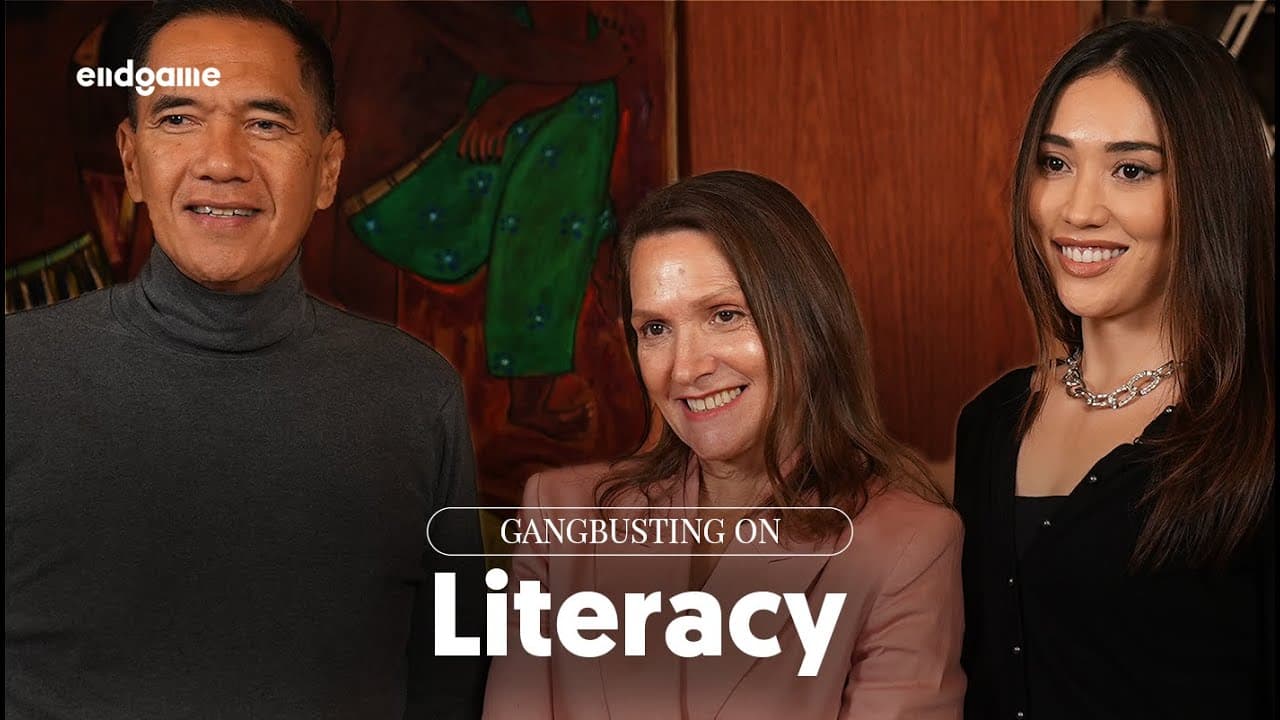
What’s Next for Southeast Asia’s Longest-Running Literature Festival? | Endgame #149
TL;DR
Discussion on enhancing literacy and reading culture in Indonesia.
Transcript
The more you create a platform for that and bring people together to discuss books and writing and issues, surely you cultivate a growing sort of literary arena and interest. To understand philosophy is digging deep within ourselves by not just reading but also writing. It's a form of us to communicate, not just to other people, but to ourselves. B... Read More
Key Insights
- The Ubud Writers and Readers Festival aims to foster a reading and writing culture in Indonesia, celebrating its 20th anniversary with new initiatives.
- Literacy extends beyond reading and writing; it includes understanding complex issues and engaging in meaningful discourse.
- The integration of technology and social media is crucial for engaging younger audiences in literary activities.
- AI and technology are seen as both an opportunity and a threat to traditional reading and writing practices.
- The importance of translating Indonesian literature to reach a global audience and promote cultural exchange.
- There is a need to balance technological advancement with spirituality and sensibility to maintain human connection and understanding.
- Activism, especially among the youth, is essential for addressing sustainability and environmental issues.
- Book clubs, like those initiated by celebrities, can play a significant role in popularizing reading and supporting authors.
Install to Summarize YouTube Videos and Get Transcripts
Explore YouTube Video Summarizer or Get YouTube Transcript Extractor
Questions & Answers
Q: What is the main goal of the Ubud Writers and Readers Festival?
The Ubud Writers and Readers Festival aims to enhance literacy and foster a reading and writing culture among Indonesians. It provides a platform for discussing books, writing, and important issues, and celebrates its 20th anniversary with initiatives to engage younger audiences through technology and social media.
Q: How is literacy defined beyond reading and writing?
Literacy is defined as the ability to understand complex issues and engage in meaningful discourse. It involves not just the ability to read and write, but also the capacity to comprehend and discuss important topics, which is essential for personal and societal development.
Q: What role does technology play in the future of literacy?
Technology plays a dual role in the future of literacy. While it provides opportunities to engage younger audiences through social media and online platforms, it also poses a threat to traditional reading and writing practices. The challenge lies in integrating technology in a way that enhances rather than diminishes literary engagement.
Q: Why is translating Indonesian literature important?
Translating Indonesian literature is important to reach a global audience and promote cultural exchange. It allows Indonesian authors to share their stories and perspectives with the world, enriching the global literary landscape and fostering a better understanding of Indonesian culture and history.
Q: What is the relationship between technology and spirituality in the context of literacy?
The relationship between technology and spirituality in the context of literacy involves balancing technological advancement with maintaining human connection and understanding. As technology becomes more integrated into daily life, there is a need to ensure that it does not overshadow the importance of spirituality and sensibility in fostering meaningful human experiences.
Q: How can activism address sustainability issues?
Activism, particularly among the youth, is crucial for addressing sustainability issues. By raising awareness and demanding action from governments and businesses, activists can push for more sustainable policies and practices. However, there is a need for activism to extend beyond social media and into real-life actions to create tangible change.
Q: What is the potential impact of book clubs on literacy?
Book clubs have the potential to significantly impact literacy by popularizing reading and supporting authors. They provide a structured environment for discussing books, encourage regular reading habits, and can be a powerful tool for promoting literature, especially when led by influential figures like celebrities who can reach a wide audience.
Q: What challenges do young Indonesians face in understanding their history?
Young Indonesians face challenges in understanding their history due to a lack of documentation and a shallow culture of writing and reading. There is a need to better document Indonesia's rich history and cultural heritage to ensure that future generations have a comprehensive understanding of their roots and identity.
Summary & Key Takeaways
-
The Ubud Writers and Readers Festival is a significant cultural event in Indonesia, aiming to enhance literacy and foster a reading culture among Indonesians. The festival celebrates its 20th anniversary with a focus on engaging younger audiences through technology and social media.
-
Literacy is redefined to include not only reading and writing but also understanding complex issues and engaging in meaningful discourse. The conversation highlights the importance of translating Indonesian literature to reach a global audience and promote cultural exchange.
-
The discussion touches on the role of AI and technology in the literary world, the need for balancing technological advancement with spirituality, and the importance of activism in addressing sustainability and environmental issues. Book clubs are seen as a potential tool for popularizing reading and supporting authors.
Read in Other Languages (beta)
Share This Summary 📚
Summarize YouTube Videos and Get Video Transcripts with 1-Click
Try YouTube Summary with ChatGPT & Claude or YouTube Transcript Generator
Explore More Summaries from Gita Wirjawan 📚



Summarize YouTube Videos and Get Video Transcripts with 1-Click
Try YouTube Summary with ChatGPT & Claude or YouTube Transcript Generator