What Is the Significance of Janmashtami in Sanatana Dharma?
TL;DR
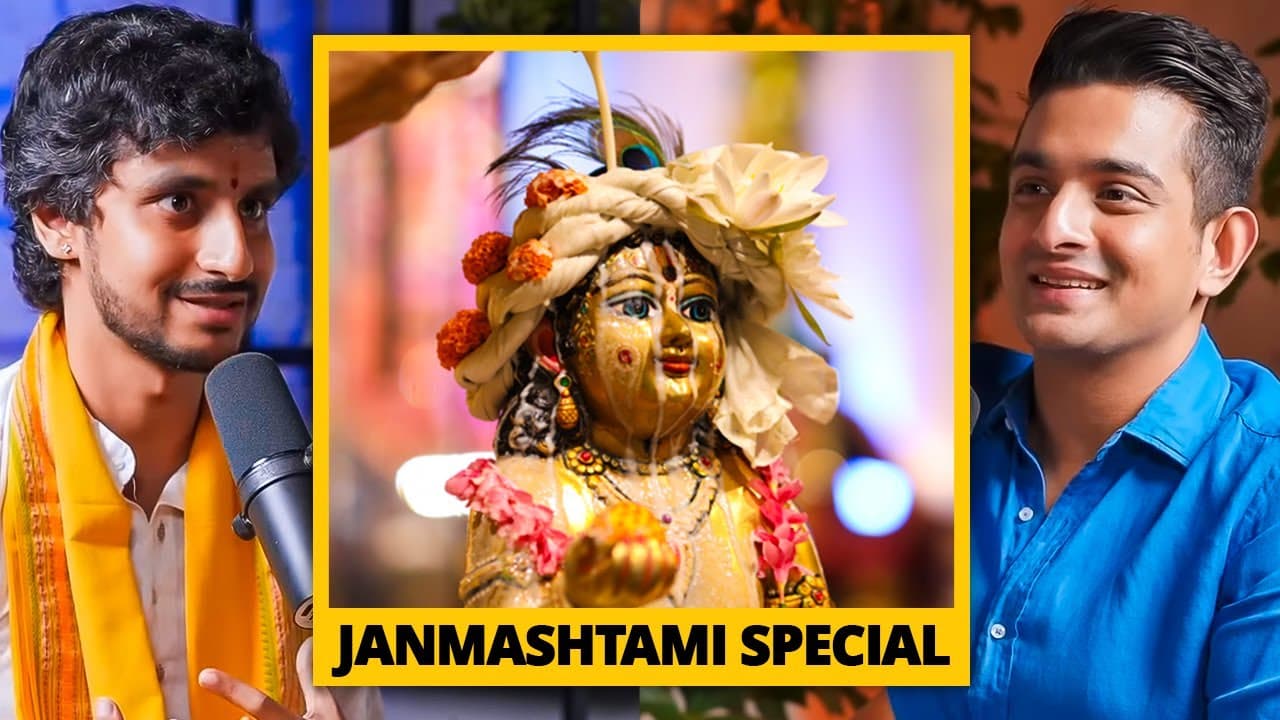
Janmashtami, celebrated on the Ashtami day of Krishna Paksha, is a sacred time for spiritual practices in Sanatana Dharma, believed to enhance access to divine energies. This night commemorates the miraculous birth of Krishna, rich in symbolism that underscores the connection between Vishnu and Shakti. Practicing sadhana during this time is seen as particularly powerful, promising greater spiritual fruits.
Transcript
let's start off looking at when do we celebrate janmashtami janmashtami as we know as per the lunar calendar comes in Shan masam in the month of Shan in the dark half ashtami that is in the Krishna Paka ashami Krishna Paka astami is always dedicated to kalab bhava all the dark CS are all the ashtam that come in the Krishna pakam are kalamis what is... Read More
Key Insights
- 🥳 Janmashtami is celebrated on the eighth day of the lunar month during Krishna Paksha, emphasizing its significance in devotion.
- 🌃 Kalaratri, Maharatri, Moar Ratri, and Dhuna are four nights that provide heightened spiritual potential for practitioners in Sanatana Dharma.
- 🤑 The birth of Krishna is rich with symbolism, highlighting his connection to divine figures like Draupati and Vishnu’s dual aspect as both a deity and a human.
- 🌃 Spiritual practices on these powerful nights are believed to yield greater benefits, fostering intense spiritual experiences and realizations.
- 🥳 The mythology surrounding Krishna’s birth, including his miraculous escape and swap with another child, illustrates the divine nature of his incarnation.
- 🌃 Sanatana Dharma encourages specific rituals on these nights, reflecting time-tested traditions aimed at enhancing spiritual fulfillment and connection.
- 🥺 The significance of sadhana on these nights varies in interpretation, leading to practices tailored to individual spiritual paths.
Install to Summarize YouTube Videos and Get Transcripts
Explore YouTube Video Summarizer or Get YouTube Transcript Extractor
Questions & Answers
Q: Why is Janmashtami celebrated on Ashtami?
Janmashtami is celebrated on Ashtami because it falls on the eighth day of the lunar cycle, specifically during Krishna Paksha, which is the dark fortnight of the month. This time is seen as particularly auspicious for spiritual practices (sadhana) and devotion, aligning with the principles of Sanatana Dharma.
Q: What are the four powerful nights mentioned, and why are they significant?
The four powerful nights are Kalaratri (associated with Diwali), Maharatri (Mahashivaratri), Moar Ratri (Janmashtami), and Dhuna (Akshaya Tritiya). They are believed to be auspicious for spiritual practices, offering heightened access to divine energies where practitioners can experience profound realizations and connections with the divine.
Q: Can you explain the significance of the term ‘Moar Ratri’ in relation to Janmashtami?
‘Moar Ratri,’ meaning the 'night of delusion,' is significant for Janmashtami as it marks the night Krishna was born. This night symbolizes the transcendence of illusions and the emergence of divine truth, reflecting the extraordinary nature of Krishna's incarnation and emphasizing the importance of this time for deep sadhana.
Q: What is the meaning of the term "Krishna Paksha"?
"Krishna Paksha" refers to the dark fortnight in the lunar calendar, where the moon wanes from full to new. It is considered a time of introspection and spiritual growth, with specific nights like Ashtami dedicated to deities, allowing devotees to engage in sadhana and deepen their connection with the divine.
Summary & Key Takeaways
-
Janmashtami occurs on the Ashtami day of Krishna Paksha, a significant day in the lunar calendar, and represents a sacred time dedicated to sadhana and devotion.
-
Four special nights in Sanatana Dharma, including Janmashtami, are believed to provide extraordinary access to divine energies, where practitioners can enhance their spiritual practices.
-
The story of Krishna's birth is rich with symbolism, reflecting divine principles and the connection between Vishnu and Shakti, highlighting the extraordinary nature of his incarnation.
Read in Other Languages (beta)
Share This Summary 📚
Summarize YouTube Videos and Get Video Transcripts with 1-Click
Try YouTube Summary with ChatGPT & Claude or YouTube Transcript Generator
Explore More Summaries from TRS Clips 📚


Summarize YouTube Videos and Get Video Transcripts with 1-Click
Try YouTube Summary with ChatGPT & Claude or YouTube Transcript Generator