How to Design Figure-Flattering Plus Size Fashion?
TL;DR
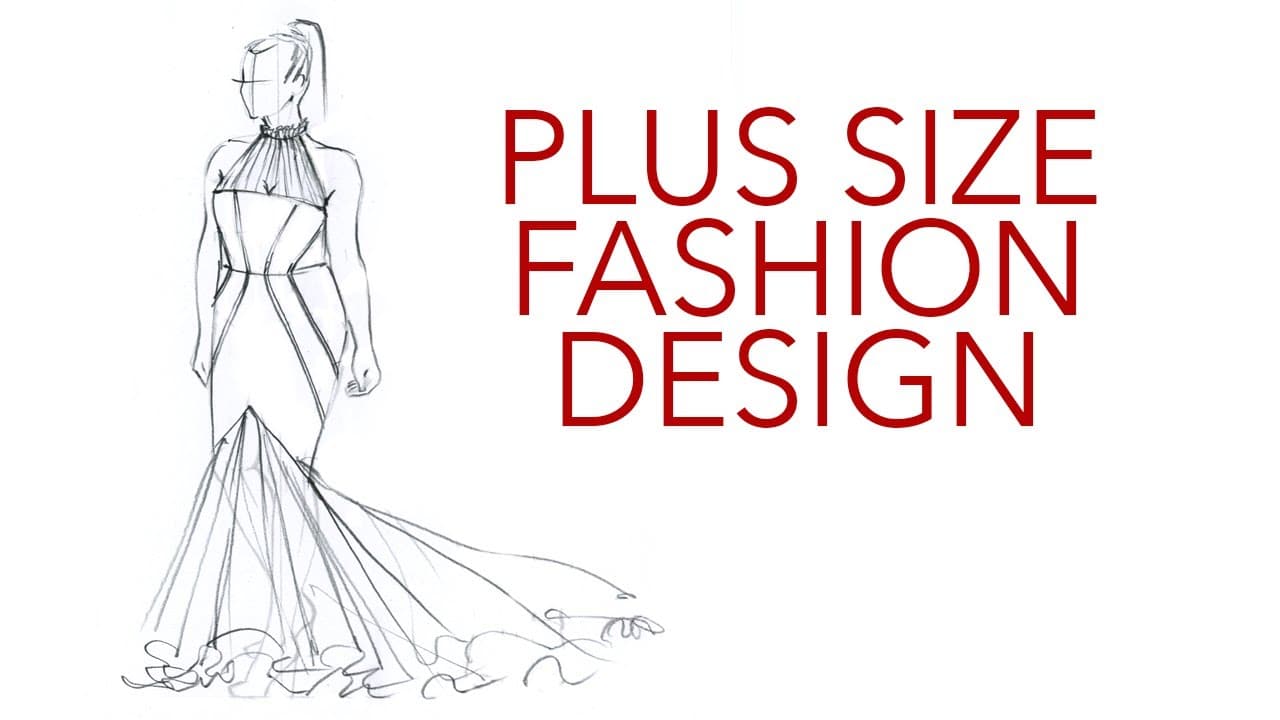
To design figure-flattering plus size fashion, use a 40-60 proportion for slimming effects and strategically implement vertical and diagonal lines. Color choices play a crucial role; darker shades recede while lighter shades highlight. Additionally, scale design details appropriately to maintain visual balance and direct attention to desired areas without compromising on aesthetic appeal.
Transcript
hey hey party people this video is going to go over how to make your designs more figure flattering for different shapes and sizes especially plus size but here's the thing when i give tips on how to create figure flattering styles i'm not suggesting that everyone has to dress this way or that i'm body shaming i am saying there is definitely a sign... Read More
Key Insights
- 👀 Design techniques for figure-flattering looks apply to all body types.
- 👷 Construction considerations for plus-size clothes differ from grading designs.
- 🫥 Proportions and lines influence the perception of size and shape in designs.
- 〽️ Color choice and placement can alter the visual impact of a garment.
- 🎨 Design details and embellishments can direct attention to desired areas.
- 🌥️ Scaling up design details is essential for proper proportion in larger sizes.
- 👸 Princess seams can be used strategically to widen or elongate the figure.
Install to Summarize YouTube Videos and Get Transcripts
Explore YouTube Video Summarizer or Get YouTube Transcript Extractor
Questions & Answers
Q: What is the importance of using a 40-60 proportion in designs?
A 40-60 proportion helps elongate the figure as compared to a 50-50 split, which can make the figure look squatter.
Q: How can princess seams be used effectively in designs?
Princess seams can elongate the figure, with shoulder princess seams being great for widening the shoulder and armhole princess seams widening the figure.
Q: How do colors affect the perception of size in designs?
Darker and cool colors make things appear smaller, while lighter and warm colors come forward. Color placement should be chosen carefully to create desired effects.
Q: How can design details be scaled up without impacting size?
Scaling up design details, such as embellishments and topstitching, is important to maintain proportion and avoid cheapening the garment's appearance.
Summary & Key Takeaways
-
Designs should use a 40-60 proportion, as rectangles appear slimmer than squares.
-
Use a 50-50 proportion when dividing across garments for longer and slimmer rectangles.
-
Choose vertical and diagonal lines strategically for style lines and contrast panels to create desired looks.
Read in Other Languages (beta)
Share This Summary 📚
Summarize YouTube Videos and Get Video Transcripts with 1-Click
Try YouTube Summary with ChatGPT & Claude or YouTube Transcript Generator
Explore More Summaries from Zoe Hong 📚

Summarize YouTube Videos and Get Video Transcripts with 1-Click
Try YouTube Summary with ChatGPT & Claude or YouTube Transcript Generator