Does Fear-based Marketing Reduce Engagement?
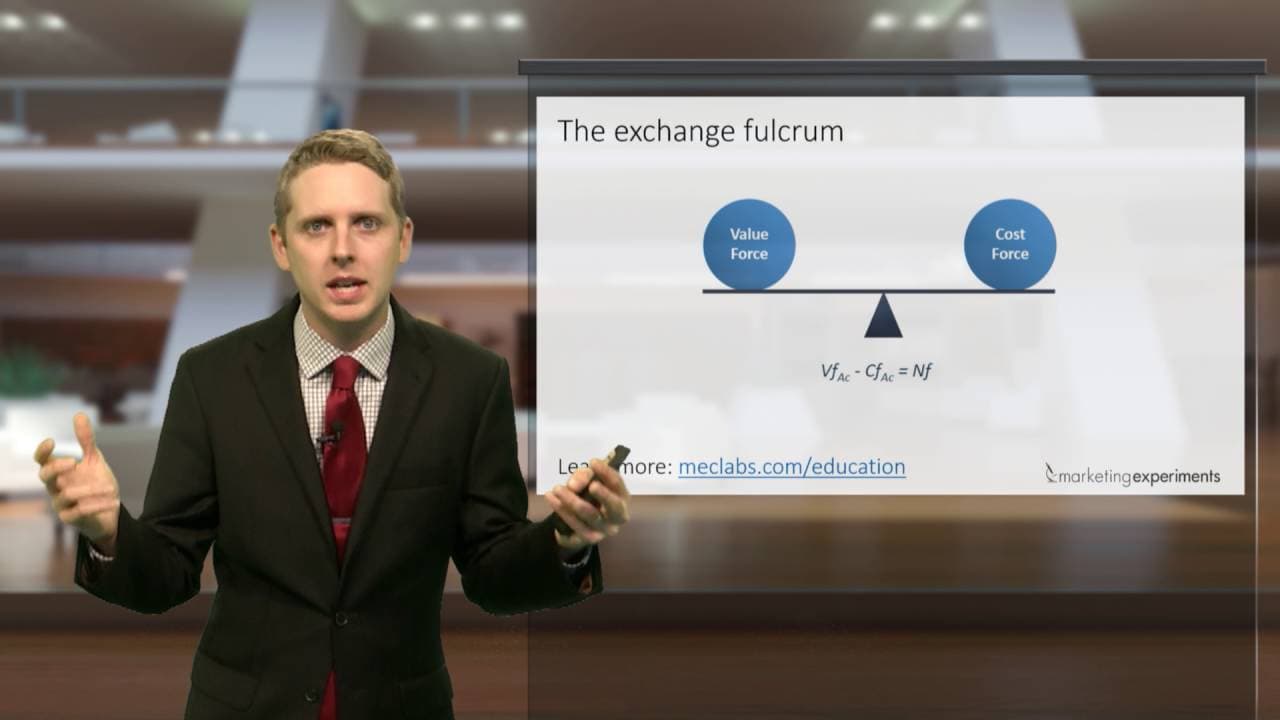
TL;DR
Fear-based marketing often results in lower engagement compared to value-oriented messaging. Research shows that highlighting positive insights rather than potential losses significantly boosts response rates, emphasizing the importance of empowering customers. Marketers should focus on creating value-driven campaigns to foster deeper connections and improve overall effectiveness.
Transcript
all right Thank You Regina good afternoon audience just glad to be here with you today my name is Austin McCraw and I'm gonna be walking you through some of the recent research we have around a particularly interesting question today and the question is this does fear-based marketing actually work now marketing experiments if you've been to any of ... Read More
Key Insights
- 😘 Fear-based marketing can often lead to lower engagement and response rates compared to positive, value-driven messaging.
- 🐕🦺 Focusing on the value of services or insights rather than potential losses tends to resonate better with customers.
- ❓ Creating a dialogue centered around customer concerns and desires is essential for effective marketing.
- 💄 The emotional impact of marketing greatly influences customer decisions, making empathy a vital tool for marketers.
- ♻️ Strategies emphasizing customer action and empowerment rather than consequences of inaction foster a more encouraging marketing environment.
- 🎯 Proper testing of various marketing approaches is necessary to find the most effective strategies with target audiences.
- 🪡 Career longevity and financial success in marketing are closely tied to understanding and anticipating changing customer needs and behaviors.
Install to Summarize YouTube Videos and Get Transcripts
Explore YouTube Video Summarizer or Get YouTube Transcript Extractor
Questions & Answers
Q: What was the key finding regarding fear-based marketing from the presented research?
The research indicated that fear-based marketing can often backfire, as customers respond better to messages that promote positive values and benefits, rather than playing on their fears. This was illustrated through an experiment showing that messaging focused on value achieved a 41% increase in click-through rates compared to a fear-driven message.
Q: How did the marketers at Mecha Labs test the effectiveness of fear-based messaging?
They conducted experiments using different messaging approaches in marketing campaigns, specifically comparing tweets that emphasized either potential problems from inaction (fear-based) or positive insights (value-based). The results showed a clear preference and higher engagement for the value-based approach.
Q: Why is focusing on the impact of action better than highlighting the consequences of inaction in marketing?
Focusing on the impact of action encourages empowerment and positive engagement from customers, leading to more significant interest and willingness to act. This approach supports the idea that marketing should elevate customer motivation rather than instill fear, resulting in better action rates.
Q: Can fear-based messaging ever be effective, according to the findings?
Although fear-based messaging can sometimes resonate with specific audiences or contexts, the larger trend indicates that customers generally prefer messages that articulate value and potential gains over those that invoke fear, suggesting that marketers should tread carefully with fear-based strategies.
Q: What is the importance of empathy in marketing according to the presenter?
Empathy is crucial as it allows marketers to understand the customer's perspective, enabling them to construct messages that resonate better. Recognizing customers' emotions and what truly matters to them leads to more effective marketing strategies that encourage positive engagement.
Q: What were some practical suggestions made for improving marketing pages based on the insights discussed?
Suggestions included shifting the focus from company-centric details to customer-centric messaging, emphasizing the benefits and value propositions prominently, and rephrasing calls to action to evoke positive action rather than submission or compliance.
Q: How effective was the case study involving Symantec in the discussion?
The case study illustrated the transition from fear-based marketing, which highlighted risks of not using their services, to an empowerment-focused approach that aimed to educate customers. This change resulted in a 3% decrease in customer turnover, translating to an impressive financial impact with increased revenues.
Summary & Key Takeaways
-
The effectiveness of fear-based marketing has long been debated, with new research showing that it often yields less favorable results compared to value-focused approaches.
-
A recent experiment demonstrated that changing marketing language to emphasize the value of insights, rather than the fear of loss, resulted in a 41% increase in engagement rates.
-
The insights shared in this session reveal the importance of empowering customers with solutions rather than overwhelming them with fear-related messages.
Read in Other Languages (beta)
Share This Summary 📚
Summarize YouTube Videos and Get Video Transcripts with 1-Click
Try YouTube Summary with ChatGPT & Claude or YouTube Transcript Generator
Explore More Summaries from Flint McGlaughlin 📚

Summarize YouTube Videos and Get Video Transcripts with 1-Click
Try YouTube Summary with ChatGPT & Claude or YouTube Transcript Generator