Is Ireland's Economy a Scam?
TL;DR
Ireland's economy is a mix of real growth and tax-driven illusions.
Transcript
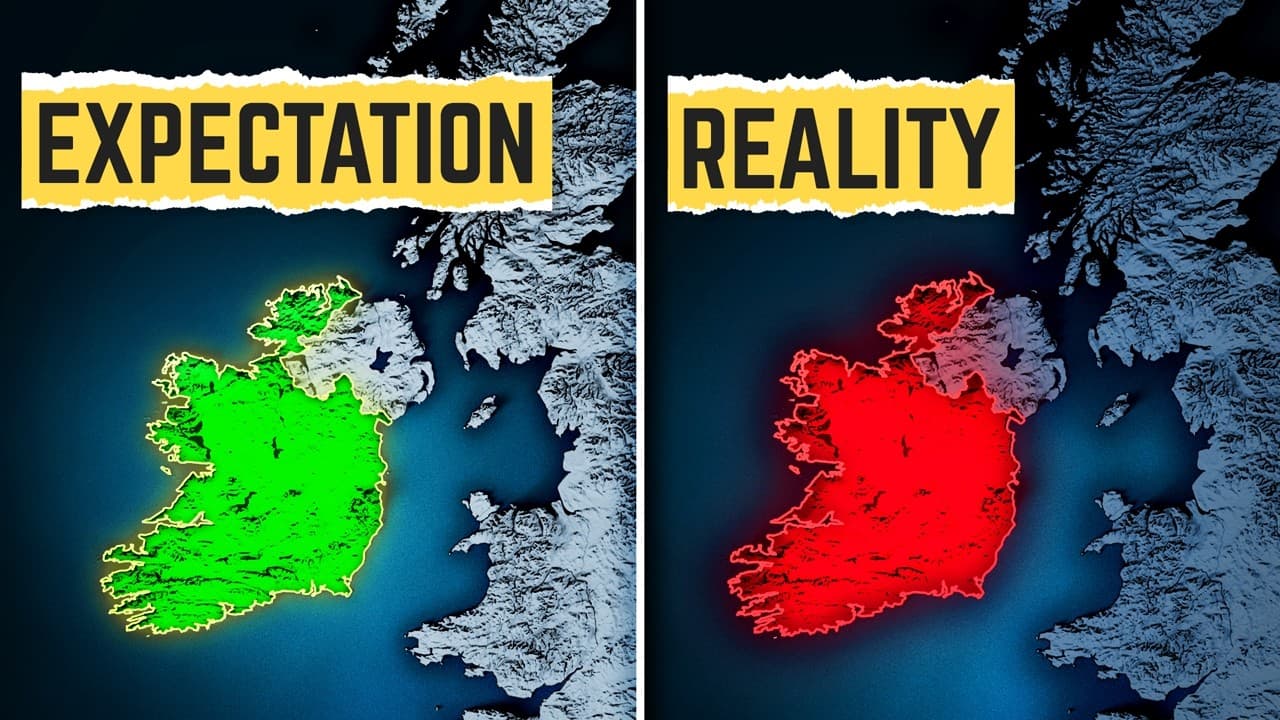
This is Ireland, a country with a real economy and a make-believe economy. The make-believe economy looks like one of the richest in the world, only falling behind Luxembourg and the IMS rankings of countries by GDP per capita, and beating out economies like Switzerland, Norway, Singapore and the USA, which are more often attributed with the kind o... Read More
Key Insights
- Ireland's economy appears wealthy due to creative accounting and favorable tax laws, ranking high in GDP per capita.
- Historically, Ireland faced severe poverty and economic instability, only recently showing signs of prosperity.
- The 'make-believe' economy is driven by multinational companies using Ireland as a tax haven, creating a false sense of wealth.
- Ireland's low corporate tax rates attract international businesses, boosting GDP but not necessarily benefiting its citizens.
- The Double Irish Tax Strategy allowed companies to avoid taxes, inflating Ireland's economic figures until its end in 2015.
- Ireland's aviation industry benefits from tax-free zones, making it a hub for aircraft leasing companies.
- The real economy faces challenges, with most wealth not reaching Irish citizens despite high GDP figures.
- Efforts like the Future Ireland Fund aim to turn paper wealth into tangible benefits but may strain EU relations.
Install to Summarize YouTube Videos and Get Transcripts
Explore YouTube Video Summarizer or Get YouTube Transcript Extractor
Questions & Answers
Q: How has Ireland's economy transformed in recent decades?
Ireland's economy has transformed from severe poverty and instability to appearing as one of the world's richest. This transformation is largely due to creative accounting and favorable tax laws that attract multinational corporations, creating a 'make-believe' economy that inflates GDP figures.
Q: What role do multinational companies play in Ireland's economy?
Multinational companies play a significant role in Ireland's economy by using the country as a tax haven. They benefit from low corporate tax rates and strategies like the Double Irish Tax Strategy, which allow them to avoid taxes and inflate Ireland's GDP figures, although this wealth often doesn't reach Irish citizens.
Q: What is the Double Irish Tax Strategy?
The Double Irish Tax Strategy was a tax avoidance technique used by multinational companies to reduce their tax liabilities. By holding intellectual property in Ireland and charging fees to subsidiaries, companies could shift profits to Ireland, benefiting from lower tax rates. This strategy inflated Ireland's GDP but ended in 2015 due to EU pressures.
Q: How does Ireland's aviation industry contribute to its economy?
Ireland's aviation industry significantly contributes to its economy by leveraging tax-free zones, known as freeports, to become a hub for aircraft leasing companies. This attracts investments and positions Ireland as a leader in the global aviation leasing market, adding to its economic activity and perceived wealth.
Q: What are the challenges facing Ireland's real economy?
Ireland's real economy faces challenges such as limited domestic benefits from foreign investments and a reliance on multinational corporations. Despite high GDP figures, most wealth does not reach Irish citizens, and there are concerns about the sustainability of the current economic model and potential EU tensions.
Q: What is the Future Ireland Fund?
The Future Ireland Fund is a sovereign wealth fund initiative aimed at converting Ireland's paper wealth into tangible benefits for its citizens. Funded by GDP-generated excess corporate tax receipts, it seeks to provide long-term economic security but may strain Ireland's relationships with the EU due to its origins in tax policies.
Q: How has the EU responded to Ireland's tax strategies?
The EU has scrutinized and pressured Ireland to end tax strategies like the Double Irish, which allowed companies to avoid taxes. The EU's push for a global minimum corporate tax rate aims to curb these practices, challenging Ireland's economic model and potentially affecting its relationships with multinational corporations.
Q: What is the impact of Ireland's economic model on its citizens?
Ireland's economic model, while attracting foreign investment and boosting GDP, has limited direct benefits for its citizens. The wealth generated often doesn't reach the populace, and the country's reliance on tax strategies creates an unstable economic environment, with potential risks if multinational corporations alter their investment strategies.
Summary & Key Takeaways
-
Ireland's economy is characterized by a dual nature: a real economy with genuine businesses and a 'make-believe' economy driven by tax strategies. This duality creates the illusion of immense wealth, though the benefits to Irish citizens are limited.
-
The Double Irish Tax Strategy and low corporate tax rates have made Ireland a haven for multinational corporations, inflating GDP figures. However, these strategies have faced scrutiny and changes, impacting Ireland's economic relationships.
-
While Ireland's aviation industry thrives due to tax-free zones, the overall economic situation remains challenging. New initiatives like the Future Ireland Fund aim to convert paper wealth into real benefits, but potential EU tensions loom.
Read in Other Languages (beta)
Share This Summary 📚
Summarize YouTube Videos and Get Video Transcripts with 1-Click
Try YouTube Summary with ChatGPT & Claude or YouTube Transcript Generator
Explore More Summaries from Economics Explained 📚


Summarize YouTube Videos and Get Video Transcripts with 1-Click
Try YouTube Summary with ChatGPT & Claude or YouTube Transcript Generator