Press Conference: The Fight to End Slavery
TL;DR
Leaders discuss the history, need, and strategy of the Global Fund to combat modern slavery.
Transcript
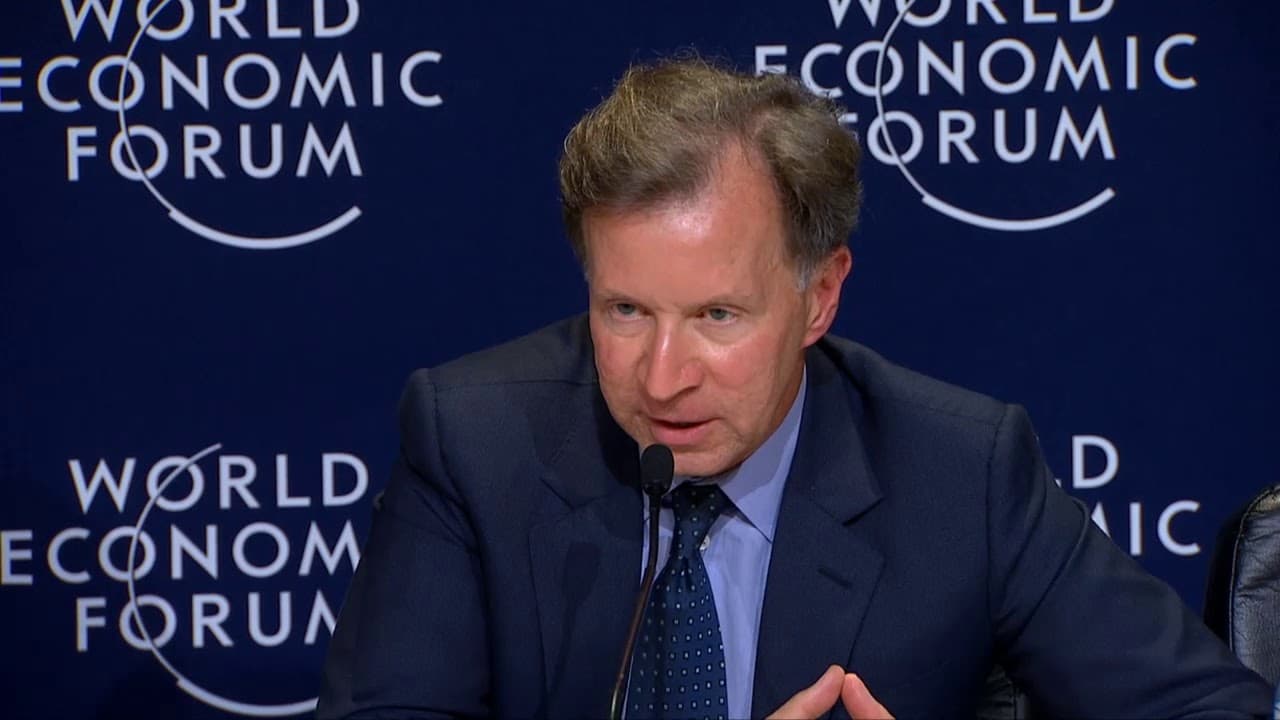
good afternoon ladies and gentlemen in the room and especially online to this press conference at the 48th annual meeting at the World Economic Forum I'm joined today by senator corker chairman of the Senate Committee on Foreign Relations Gary Hogan CEO of International destin'd mission Monique Villa CEO of Thomson Reuters foundation and last but n... Read More
Key Insights
- ⛑️ The Global Fund aims to combat modern slavery, addressing prevention, rescue, and rehabilitation.
- 🧑🚒 Collaboration among sectors and shared expertise is crucial in the fight against slavery.
- 🔉 Technology and social media provide avenues for consumers to pressure companies on ethical supply chain practices.
- 👮 Effective strategies include law enforcement cooperation, strategic investments, and transparent supply chains.
- 🌐 Accountability, measurement of results, and coordinated efforts are vital to drive global change.
- 🤨 The Global Fund seeks to raise $1.5 billion to achieve a 50% reduction in slavery in targeted areas.
- 🔉 Corporate responsibility, consumer awareness, and media scrutiny can drive ethical practices in supply chains.
Install to Summarize YouTube Videos and Get Transcripts
Explore YouTube Video Summarizer or Get YouTube Transcript Extractor
Questions & Answers
Q: How was the Global Fund for combating modern slavery created?
The Global Fund was initiated by Senator Corker, inspired by the need to address the 40 million individuals living in slavery worldwide. It was designed to mirror successful models like the Global Fund for HIV/AIDS.
Q: Why is the establishment of a Global Fund crucial in addressing modern-day slavery?
Gary Hogan stresses that although slavery is outlawed globally, it persists due to lack of focused efforts. The Fund provides a coordinated strategy, accountability, and commensurate resources to effectively combat modern slavery.
Q: What role does the Thomson Reuters Foundation play in fighting modern slavery?
Monique Villa explains how the foundation uses journalism to shed light on slavery issues, encourages cooperation through initiatives like the Stop Slavery Award, and advocates for supply chain transparency and ethical practices.
Q: How can business contribute to the Global Fund to combat modern slavery?
John Satinsky emphasizes the importance of ethical investing, corporate leadership, and consumer pressure in addressing modern slavery. Collaborations, best practices, and technology can help companies eliminate slavery from their supply chains.
Summary & Key Takeaways
-
Senator Corker shares the history of the Global Fund's creation, emphasizing the need to address the 40 million people living in slavery.
-
Gary Hogan highlights the current state of modern slavery and the necessity of a coordinated global effort to combat it effectively.
-
Monique Villa explains the importance of a cohesive strategy, focusing on prevention, rescue, and rehabilitation efforts, with a strong emphasis on collaboration.
Read in Other Languages (beta)
Share This Summary 📚
Summarize YouTube Videos and Get Video Transcripts with 1-Click
Try YouTube Summary with ChatGPT & Claude or YouTube Transcript Generator
Explore More Summaries from World Economic Forum 📚
Summarize YouTube Videos and Get Video Transcripts with 1-Click
Try YouTube Summary with ChatGPT & Claude or YouTube Transcript Generator