How Inflation Affects Wages, Savings, and Loans
TL;DR
Inflation impacts wages, savings, and borrowing by reducing purchasing power if not managed correctly. Real wages can decrease if inflation outpaces raises, while savings lose value if not invested wisely. Borrowers may benefit if inflation exceeds interest rates, but lenders can lose out.
Transcript
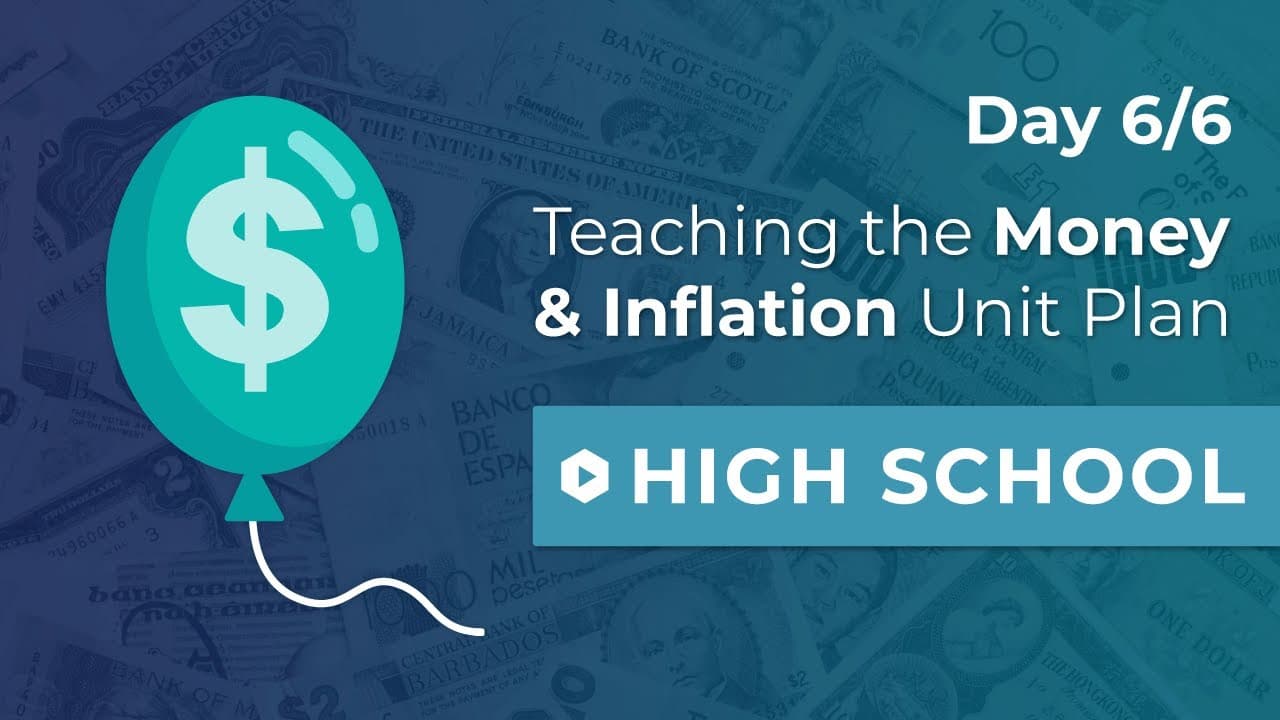
hi I'm Matt Hill I'm a curriculum designer here at mru this is the day six slides walkthrough you know with these videos we're just trying to give you a sense of what we were thinking uh with the with the slides so here we are last day I'm going to be talking about all right what happens to your wages what happens to savings what happens to borrowi... Read More
Key Insights
- Inflation reduces purchasing power, affecting real wages and savings.
- Real wages decrease if inflation outpaces nominal wage increases.
- Savings lose value if not invested to outpace inflation.
- Borrowers benefit if inflation exceeds the interest rate on loans.
- Lenders lose money if inflation surpasses the interest earned.
- Investments like real estate can retain value better than cash.
- Understanding inflation helps in negotiating wage increases.
- Interactive activities help students grasp inflation's impact.
Install to Summarize YouTube Videos and Get Transcripts
Explore YouTube Video Summarizer or Get YouTube Transcript Extractor
Questions & Answers
Q: How does inflation affect real wages?
Real wages are affected by inflation when the rate of inflation exceeds the rate of wage increases. Although nominal wages may rise, if inflation is higher, the purchasing power of those wages decreases, resulting in a real pay cut. It's crucial for wages to keep pace with inflation to maintain living standards.
Q: Why is it important to invest savings during inflation?
Investing savings is important during inflation because cash loses value over time as prices rise. If savings are not invested in assets that outpace inflation, such as stocks or real estate, their purchasing power diminishes. This is akin to a rat eating away at your money, as described in the video.
Q: How can borrowers benefit from inflation?
Borrowers can benefit from inflation if the inflation rate exceeds the interest rate on their loans. In such cases, the real cost of repaying the loan decreases, as the money paid back is worth less in purchasing power than when it was borrowed. This effectively reduces the debt burden.
Q: What are the risks for lenders in an inflationary environment?
Lenders face risks in an inflationary environment when the inflation rate surpasses the interest rate on loans. This scenario reduces the real value of the money repaid, effectively causing lenders to lose purchasing power. It's crucial for lenders to factor in inflation when setting interest rates.
Q: How does inflation impact the value of cash savings?
Inflation diminishes the value of cash savings by eroding purchasing power. As prices rise, the same amount of cash buys fewer goods and services. To protect against this, it's important to invest savings in assets that can outpace inflation, preventing a loss in real value.
Q: What strategies can protect against inflation?
To protect against inflation, individuals can invest in assets like real estate, stocks, or inflation-protected securities that tend to appreciate or maintain value over time. Additionally, negotiating wage increases that keep pace with inflation can help maintain purchasing power and financial stability.
Q: Why is understanding inflation important for wage negotiations?
Understanding inflation is crucial for wage negotiations because it affects real income. If wage increases do not match inflation, employees effectively receive a pay cut in terms of purchasing power. Being informed about inflation rates helps individuals negotiate for raises that preserve their economic well-being.
Q: How do interactive activities help students understand inflation?
Interactive activities help students understand inflation by providing real-life scenarios and engaging exercises. These activities illustrate complex concepts like the impact of inflation on wages, savings, and loans, making them more relatable and easier to grasp, thereby enhancing learning and retention.
Summary & Key Takeaways
-
Inflation can erode purchasing power, making it essential for wages and savings to keep pace with rising prices. Real wages may decrease if inflation outstrips nominal wage increases, leading to a real pay cut. Savings need to be invested wisely to avoid losing value over time.
-
Borrowers can benefit from inflation if it exceeds the interest rate on their loans, effectively reducing the real cost of borrowing. Conversely, lenders may lose out if inflation surpasses the interest they earn, highlighting the importance of understanding inflation in financial decisions.
-
Interactive activities and scenarios help students understand the impact of inflation on wages, savings, and loans. By engaging with real-life examples, learners can better grasp the importance of protecting their finances against inflationary pressures and making informed economic choices.
Read in Other Languages (beta)
Share This Summary 📚
Summarize YouTube Videos and Get Video Transcripts with 1-Click
Try YouTube Summary with ChatGPT & Claude or YouTube Transcript Generator
Explore More Summaries from Marginal Revolution University 📚

Summarize YouTube Videos and Get Video Transcripts with 1-Click
Try YouTube Summary with ChatGPT & Claude or YouTube Transcript Generator