Just transition | Open Forum 2024 | worldsteel
TL;DR
Exploring equitable transition to low-carbon steel industry.
Transcript
all right so this is uh the last let's say substantial session of uh of the open forum and it's just an evidence that time flies when you're having fun um before we start I would like to uh ask you all um to please fill in our satisfaction survey you find it in the app on the main page uh I think there's a picture th... Read More
Key Insights
- The session emphasized the importance of including workers in decision-making processes for a just transition, highlighting the need for social dialogue and equitable treatment.
- The steel industry is beginning to focus on the social impacts of transitioning to low-carbon technologies, with an emphasis on creating decent work opportunities and leaving no one behind.
- Training and reskilling programs are crucial for workers to adapt to new technologies and processes, ensuring they are not left behind in the transition.
- There is a significant gap between the demand for green skills and their availability, which needs to be addressed to facilitate a smooth transition.
- Leadership in the steel industry must evolve to embrace sustainability and inclusivity, with a focus on stakeholder engagement and disruptive innovation.
- The financial sector plays a critical role in supporting the just transition, requiring innovative financial instruments and strategies to mobilize resources.
- Global equity in the transition process is essential, with developing countries needing access to technology and financial support to participate effectively.
- The concept of just transition is gaining traction globally, with increasing recognition of the need for policies that balance economic, social, and environmental goals.
Install to Summarize YouTube Videos and Get Transcripts
Explore YouTube Video Summarizer or Get YouTube Transcript Extractor
Questions & Answers
Q: What role do workers play in the just transition process?
Workers are integral to the just transition process, as they provide valuable insights into the practical aspects of transitioning to low-carbon processes. Their involvement in decision-making and planning ensures that their needs and concerns are addressed, leading to more equitable and sustainable outcomes.
Q: How can the steel industry address job losses during the transition?
The steel industry can address job losses by implementing comprehensive training and reskilling programs to prepare workers for new roles in a low-carbon economy. Additionally, collaboration with educational institutions and governments can help create safety nets and support systems for affected workers.
Q: What are the major challenges for just transition finance in the steel industry?
Major challenges include the need for innovative financial instruments to mobilize resources, the disparity in financial resources between developed and developing countries, and the necessity of aligning financial support with equitable transition goals. Addressing these challenges requires collaboration among governments, financial institutions, and industry stakeholders.
Q: How does leadership influence the just transition in the steel industry?
Leadership plays a crucial role by setting strategic goals, fostering stakeholder engagement, and embracing sustainability as a core value. Leaders must drive disruptive innovation and ensure that the transition is inclusive and equitable, balancing economic, social, and environmental objectives.
Q: What is the significance of social dialogue in the just transition?
Social dialogue is essential for ensuring that the voices of workers and communities are heard and considered in the transition process. It facilitates mutual understanding, helps identify potential challenges, and ensures that the transition is conducted in a fair and transparent manner.
Q: How can developing countries participate in the just transition?
Developing countries can participate by accessing technology and financial support from international partners, aligning their policies with global sustainability goals, and leveraging local resources and expertise. International collaboration and equitable resource distribution are key to their successful participation.
Q: What are the key components of a successful just transition plan?
A successful just transition plan includes stakeholder engagement, comprehensive training and reskilling programs, financial support mechanisms, and policies that balance economic, social, and environmental goals. It should also include clear metrics for measuring progress and ensuring accountability.
Q: What role does finance play in the just transition?
Finance plays a critical role by providing the necessary resources to support the transition. This includes developing innovative financial instruments, mobilizing investment, and ensuring that financial flows align with equitable and sustainable transition goals. Finance also helps bridge the gap between developed and developing countries in the transition process.
Summary & Key Takeaways
-
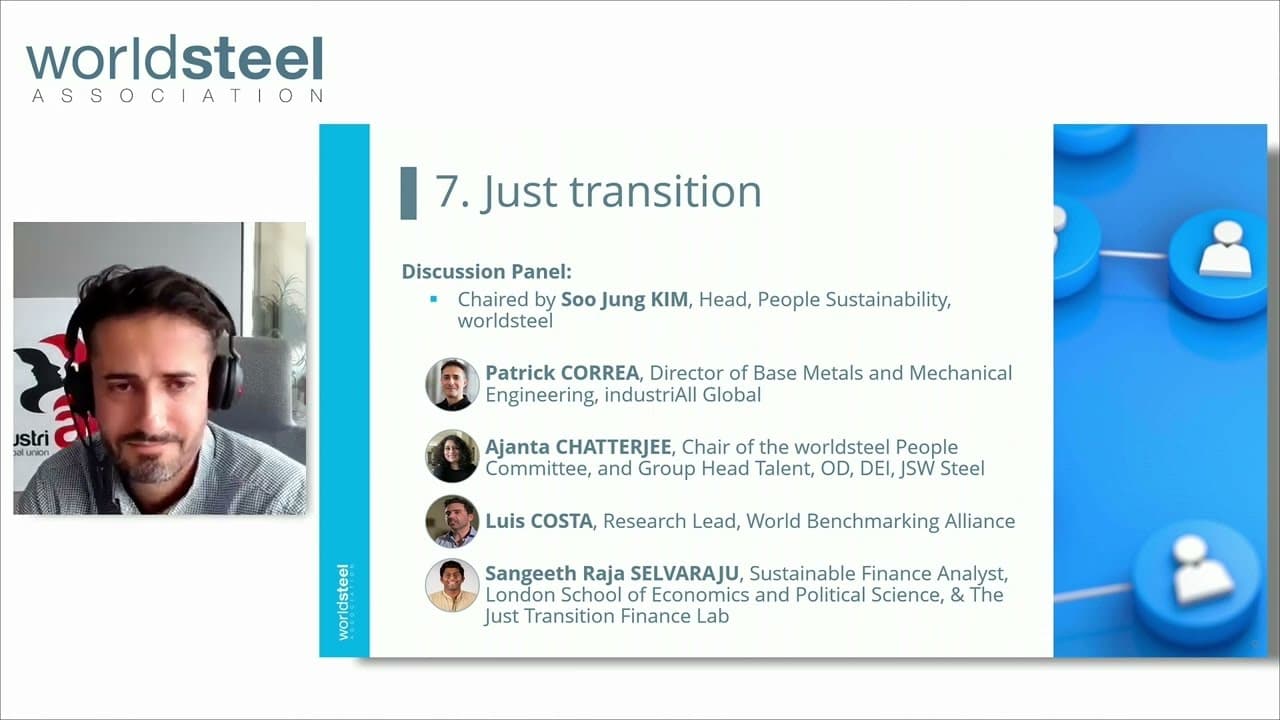
The session focused on the concept of just transition in the steel industry, emphasizing the need for equitable and inclusive approaches to transitioning to low-carbon processes. Key challenges include ensuring social dialogue, reskilling workers, and addressing financial constraints.
-
Speakers highlighted the importance of leadership in driving sustainable change, with a focus on stakeholder inclusion, disruptive innovation, and long-term strategic planning. The role of finance was also discussed, emphasizing the need for innovative solutions to mobilize resources.
-
The discussion underscored the global dimension of just transition, particularly the need for developing countries to access technology and financial support. The session concluded with a call to action for continued dialogue and collaboration among stakeholders.
Read in Other Languages (beta)
Share This Summary 📚
Summarize YouTube Videos and Get Video Transcripts with 1-Click
Try YouTube Summary with ChatGPT & Claude or YouTube Transcript Generator