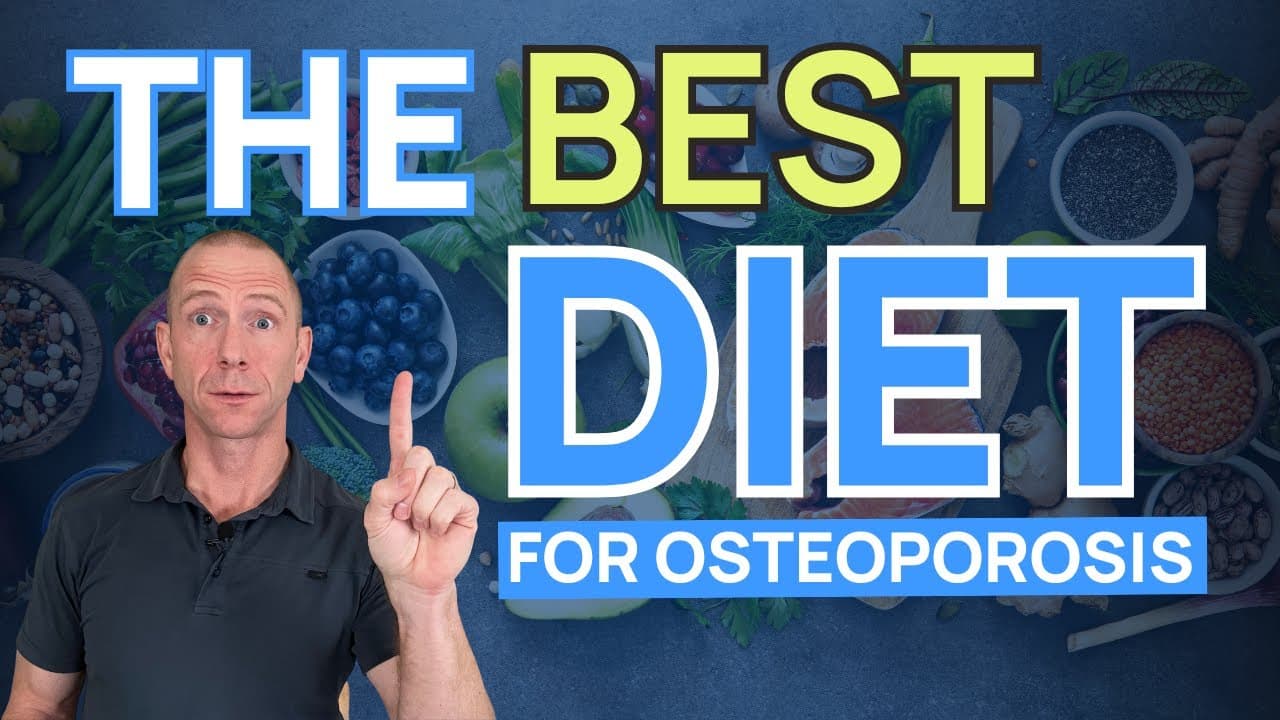
The BEST Diet for Osteoporosis in 2024 | WHAT TO EAT FOR OSTEOPOROSIS
TL;DR
Protein-rich diet is crucial for osteoporosis management and bone health.
Transcript
so osteoporosis from my perspective is a disease state of being in a catabolic breakdown state it is associated with low muscle mass and is ultimately just dysfunctional bone metabolism the right diet to support bone growth and muscle growth is critical if you want to successfully reverse osteoporosis so stick around because I'm going to go... Read More
Key Insights
- Osteoporosis is linked to a catabolic breakdown state and low muscle mass, requiring a diet that supports bone and muscle growth.
- Protein intake is emphasized, with recommendations of one gram per pound of body weight, adjusted for obesity or kidney issues.
- Animal proteins are preferred for their complete amino acid profile, while plant proteins may require increased consumption for equivalent benefits.
- IGF-1, a factor in muscle and bone growth, should not be chronically suppressed as it is vital for human health, unlike in mice.
- Environmental concerns around animal farming are addressed, noting that agriculture contributes 10% of greenhouse gases and the role of cows in regenerative farming.
- Vegetables have anti-nutrients that may affect gut function and nutrient absorption, but proper preparation can mitigate these effects.
- Dairy consumption is discussed with its potential benefits for IGF-1 levels, though tolerance varies among individuals.
- Processed foods, excess sugar, and certain grains are discouraged for their negative impacts on health and bone density.
Install to Summarize YouTube Videos and Get Transcripts
Explore YouTube Video Summarizer or Get YouTube Transcript Extractor
Questions & Answers
Q: What is the primary dietary focus for managing osteoporosis?
The primary dietary focus for managing osteoporosis is ensuring adequate protein intake. Protein is crucial for muscle and bone growth, and the recommended intake is around one gram per pound of body weight. This focus addresses the common oversight of protein in many dietary discussions, which often emphasize carbohydrates and fats instead.
Q: Why are animal proteins preferred over plant proteins?
Animal proteins are preferred over plant proteins because they provide a complete amino acid profile necessary for muscle and bone growth. Plant proteins, including soy, are often less efficiently absorbed and may require increased consumption to meet protein needs. This can be challenging, particularly for those following a plant-based diet.
Q: How does IGF-1 relate to osteoporosis and aging?
IGF-1, or insulin-like growth factor 1, plays a role in muscle and bone growth. While some studies suggest reducing IGF-1 to increase lifespan, this is primarily based on animal studies. For humans, maintaining adequate IGF-1 levels is important for muscle mass and bone health, making its chronic suppression counterproductive for osteoporosis management.
Q: What environmental considerations are discussed regarding meat consumption?
The discussion highlights that agriculture contributes 10% of greenhouse gases, with both plant and animal farming playing roles. Cows, often criticized for methane emissions, are noted for their ability to upcycle inedible plants and contribute to regenerative farming. The environmental impact of meat consumption is complex and involves balancing nutrient delivery efficiency and ecological effects.
Q: What are the concerns with consuming vegetables for osteoporosis?
Vegetables, while nutrient-dense, contain anti-nutrients that can affect gut function and nutrient absorption. These include oxalates, phytates, and goitrogens. Proper preparation, such as cooking or fermenting, can reduce these anti-nutrients, allowing for the benefits of vegetables to be maximized without negatively impacting health.
Q: How is dairy consumption viewed in the context of osteoporosis?
Dairy consumption is seen as beneficial for increasing IGF-1 levels, which supports muscle and bone growth. However, tolerance to dairy varies, with some individuals experiencing issues due to lactose or casein. Alternatives like raw or fermented dairy may offer benefits with reduced negative effects, though availability and legality vary.
Q: Why are processed foods and certain grains discouraged?
Processed foods and certain grains, particularly wheat, are discouraged due to their potential to contribute to inflammation, poor nutrient density, and negative impacts on bone health. Wheat in the U.S. is noted for being particularly toxic due to increased gluten content and pesticide use, making it less suitable for a bone-healthy diet.
Q: What is the recommended approach to dietary fat in osteoporosis management?
Dietary fat, particularly from animal sources, is typically adequate when consuming a protein-rich diet. If additional calories are needed, monounsaturated fats like olive and avocado oil are recommended. This approach supports overall health and provides necessary energy without the negative effects associated with excessive carbohydrate intake.
Summary & Key Takeaways
-
Osteoporosis is a condition associated with low muscle mass and dysfunctional bone metabolism, requiring a diet that supports bone and muscle growth.
-
The recommended diet emphasizes adequate protein intake, primarily from animal sources, while addressing the environmental and ethical implications of meat consumption.
-
Vegetables and other plant-based foods contain anti-nutrients, but proper preparation can minimize their negative effects and support overall health.
Read in Other Languages (beta)
Share This Summary 📚
Summarize YouTube Videos and Get Video Transcripts with 1-Click
Try YouTube Summary with ChatGPT & Claude or YouTube Transcript Generator
Explore More Summaries from The Dr Doug Show | Bones, Hormones and HealthSpan 📚
![Do Collagen Supplements Really Work for Bone Health? [Doctor Explains] thumbnail](/_next/image?url=https%3A%2F%2Fi.ytimg.com%2Fvi%2FtfepsG2jPhI%2Fhqdefault.jpg&w=750&q=75)
Summarize YouTube Videos and Get Video Transcripts with 1-Click
Try YouTube Summary with ChatGPT & Claude or YouTube Transcript Generator