Why Are Pets So Important in Today's Society?
TL;DR
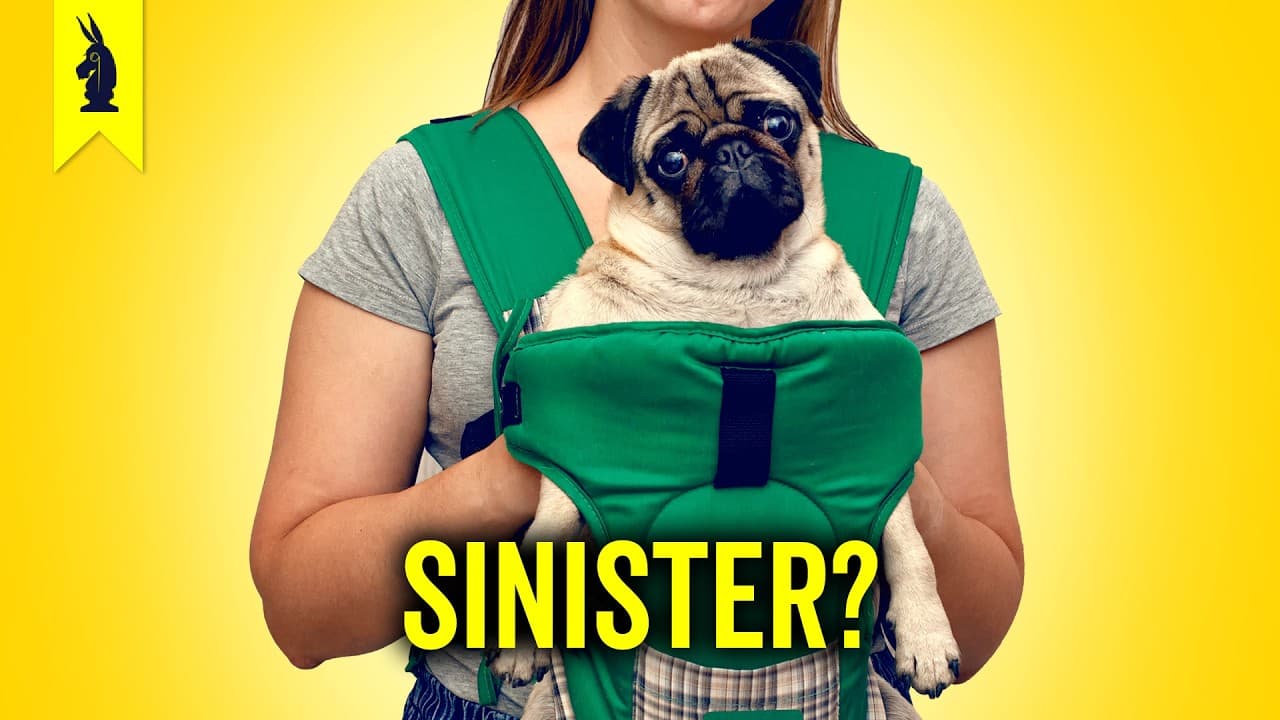
Pets have become integral to modern life, often viewed as family members rather than mere companions. This shift reflects deeper societal values, including a desire for emotional connection and stability, especially amid growing relational instability. However, this intense focus on pets may also lead to ethical concerns, as it can overshadow empathy toward marginalized humans.
Transcript
okay guys here's a hot take that I've developed since becoming the parent of a human child dogs and cats are not your babies you know you did not create them you purchased them or adopted them and now you own them and if you want to compare that to a type of human relationship I could give you one but it's not going to be parenting now this isn't m... Read More
Key Insights
- 🐶 Pet ownership has evolved from utility-based roles to emotional companions, substantially influenced by socio-cultural changes since the Industrial Revolution.
- 😨 Economic data suggests investments in pet care reflect an underlying desire for emotional security and stable relationships amidst human relational instability.
- 🐶 Awareness of environmental and social issues spurs pet ownership, as individuals seek moral redemption through responsible pet care, highlighting complex human-animal relationships.
- 🐶 The perceived cuteness and innocence of pets have made them preferable subjects on social media, aligning with neoliberal values of individualism and competition for attention.
- 🧑⚕️ Selective breeding and designer pets reflect consumer impulses tied to identity, resulting in ethical concerns regarding animal welfare and health.
- 🥰 The commodification of pet ownership often co-opts genuine affection, transforming love into a performance dictated by social expectations.
- 🐶 The glamorization of pet ownership on social media may result in emotional neglect of human societal responsibilities, complicating moral landscapes.
Install to Summarize YouTube Videos and Get Transcripts
Explore YouTube Video Summarizer or Get YouTube Transcript Extractor
Questions & Answers
Q: What historical changes contributed to the modern perception of pets as family members?
The perception of pets as family members began to shift with industrialization, creating urban detachments from nature. The rise of consumer culture in the post-war era saw pets acquire companionship status, particularly in the '60s and '70s, as families experienced social upheaval. With declining human familial ties, pets became emotional support substitutes, fostering profound social ties.
Q: How does consumer culture influence the way we treat pets today?
Consumer culture has led to an explosion in pet-related spending, with owners often treating pets to the same luxuries as children. The market for premium pet products has surged, encouraging extravagant spending on health, accessories, and tech. This reflects a broader societal trend where pets are anthropomorphized, and ownership becomes a performance of social status that reinforces family ideals.
Q: What socio-emotional issues arise from prioritizing pets over people?
Prioritizing pets can diminish empathy towards marginalized humans, as an increased emotional investment in animals often correlates with reduced concern for certain human populations. The anthropomorphism of pets can lead to dehumanization of non-pets, where pets are granted more moral consideration than vulnerable individuals, emphasizing the troubling dynamics of social hierarchy and care.
Q: How does social media impact our relationship with pets?
Social media has transformed pets into commodities, shaping identities through online sharing and branding. This trend encourages public performance of pet ownership, often leading individuals to curate aesthetically pleasing representations of their animals as part of a social capital strategy. Posts of pets attract engagement and foster a sense of belonging but reflect deeper societal values tied to visibility and performance.
Summary & Key Takeaways
-
The rise in pet ownership and the anthropomorphism of pets reflect a shift in societal values towards viewing pets as family rather than companions.
-
Economic trends demonstrate significant investment in pet care and luxury, underscoring a consumer culture increasingly obsessed with treating pets like children.
-
The emotional attachments to pets can lead to moral concerns regarding empathy towards marginalized humans, suggesting a problematic hierarchy of care and societal values.
Read in Other Languages (beta)
Share This Summary 📚
Summarize YouTube Videos and Get Video Transcripts with 1-Click
Try YouTube Summary with ChatGPT & Claude or YouTube Transcript Generator