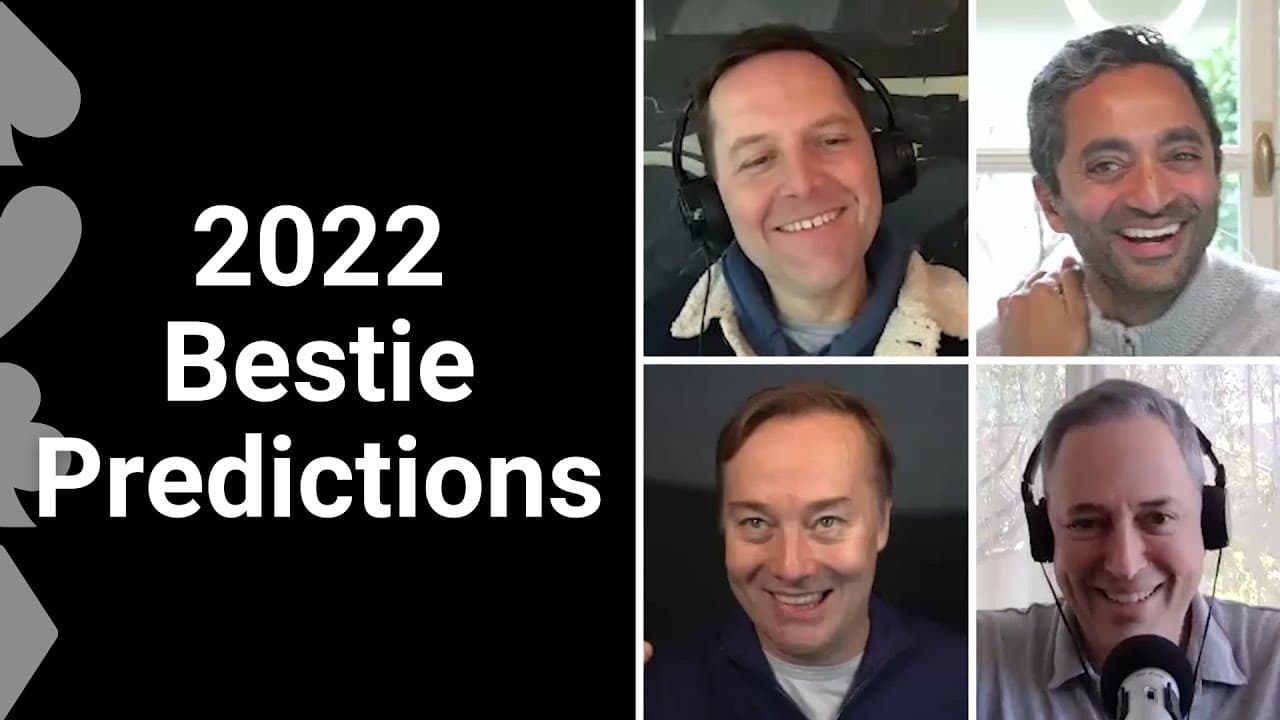
E61: 2022 Predictions! Business, politics, science, tech, crypto, & more
TL;DR
The media's narrative on COVID-19 is expected to change in 2022, with a shift from fear-mongering to a more measured approach.
Transcript
so i was not going to bring this up sack said bring it up no no no no no no no you're already creating mischaracterizations you said you want to bring it up i'm like sure i don't know i'm not going to veto it i said well you have to bring on my covid obviously i'm the second bestie to get covered and i told you offline without the other two besties... Read More
Key Insights
- 🔉 The media's narrative on COVID-19 is subject to political and public opinion influences.
- 🫵 Focusing on living with COVID-19 rather than eradicating it may become a more prevalent view in 2022.
- 👶 The negative impact of COVID-19 policies on children, such as school closures, has been largely underreported.
Install to Summarize YouTube Videos and Get Transcripts
Explore YouTube Video Summarizer or Get YouTube Transcript Extractor
Questions & Answers
Q: Will the media's change in narrative undermine their credibility?
While the media's change in narrative may seem contradictory, it is likely a strategic move to align with public sentiment and political agendas. However, it could have long-term effects on their credibility.
Q: What impact could the media's new narrative have on public perception?
The media's shift towards a more measured approach to COVID-19 could help alleviate fear and anxiety among the public. It may also lead to a greater focus on solutions and the resilience of individuals and communities.
Q: How will the media's change in narrative affect government policies?
The media's influence on public opinion can shape government policies. A shift in the media's narrative may lead to a reevaluation of COVID-19 measures, with a greater emphasis on individual responsibility and a more targeted approach to public health interventions.
Q: What are the potential consequences of underreporting the impact of COVID-19 on children?
The failure to adequately address the negative effects of COVID-19 policies on children could have long-term repercussions on their educational, mental, and emotional development. It is important to recognize and address these issues to ensure the well-being of future generations.
Summary & Key Takeaways
-
The media's coverage of COVID-19 has influenced public opinion and created fear for the past two years.
-
A contrarian belief suggests that the media will change its narrative in 2022, focusing on living with COVID-19 rather than eradicating it.
-
The impact of COVID-19 policies on children, such as school closures, mental health issues, and learning loss, has been underreported.
-
Contrary to popular belief, the media may start to recognize the importance of American exceptionalism and the potential for a strong economy in 2022.
Read in Other Languages (beta)
Share This Summary 📚
Summarize YouTube Videos and Get Video Transcripts with 1-Click
Try YouTube Summary with ChatGPT & Claude or YouTube Transcript Generator
Explore More Summaries from All-In Podcast 📚





Summarize YouTube Videos and Get Video Transcripts with 1-Click
Try YouTube Summary with ChatGPT & Claude or YouTube Transcript Generator