The Problem with Bee Venom Therapy
TL;DR
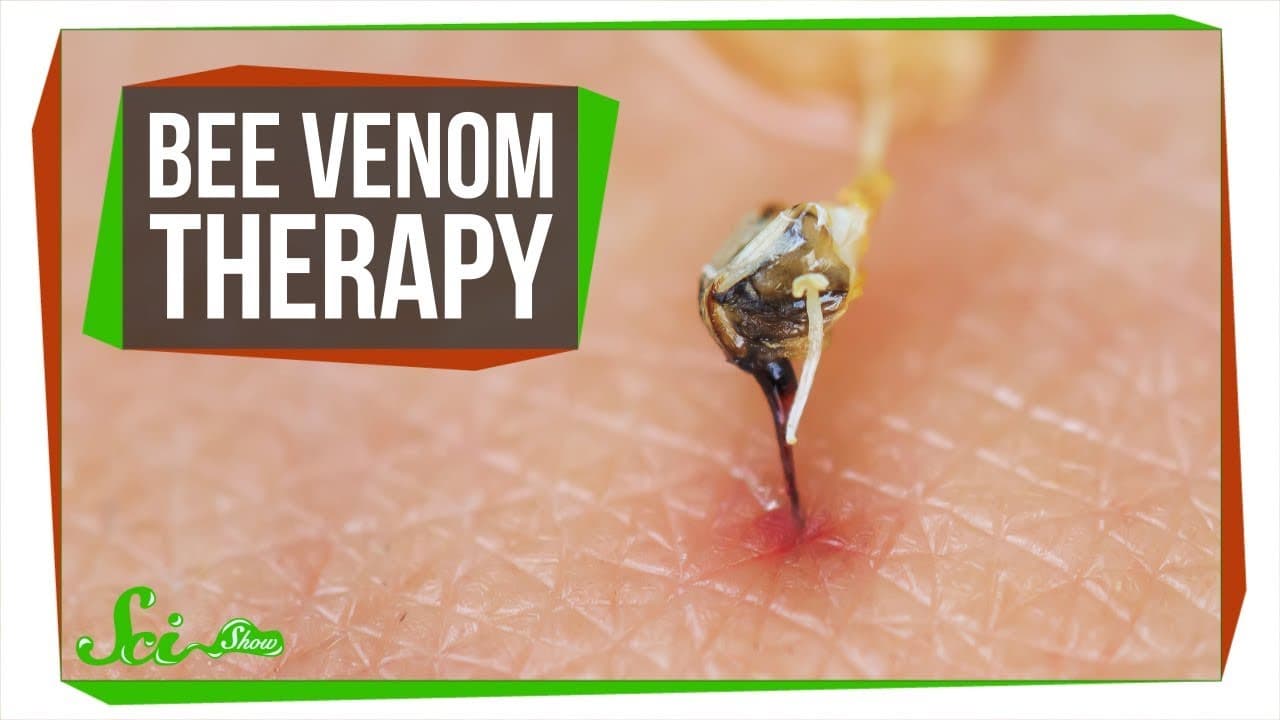
Bee venom therapy, the medical use of bee venom, shows promise in treating inflammatory diseases and chronic pain, but more research is needed to fully understand its effectiveness and mitigate the risks.
Transcript
[♪ INTRO] Everyone knows that bee stings don’t feel the best. And for the 1-7% of us with allergies to insect venom, they can be deadly. But a growing number of people are choosing to inject themselves with the toxic stuff, or even receive intentional stings, in the hopes of finding relief from conditions like arthritis and chronic pain. It’s incre... Read More
Key Insights
- 🪘 Bee venom therapy, also known as apitherapy, has a long history and is popular among those who believe in alternative medicine.
- 👨🎨 Clinical studies have found evidence that bee venom therapy can reduce inflammation and provide relief for conditions such as arthritis and chronic pain.
- 👨🔬 However, the current body of research is limited, and more robust studies are necessary to determine the effectiveness of bee venom therapy.
- 🖤 Many doctors remain skeptical and cautious about using bee venom therapy due to the potential risks and lack of conclusive evidence.
- 👨🎨 Venom from bee stings, which are typically associated with pain and swelling, can paradoxically reduce pain and inflammation.
- 🤩 The therapeutic potential of bee venom lies in compounds like melittin, which can bind with key molecules involved in inflammation.
- 😒 The limitations of current research include small sample sizes, flaws in study design, and the use of whole bee venom instead of isolating specific compounds.
Install to Summarize YouTube Videos and Get Transcripts
Explore YouTube Video Summarizer or Get YouTube Transcript Extractor
Questions & Answers
Q: What is bee venom therapy?
Bee venom therapy involves injecting or receiving intentional stings of bee venom, which contains potent compounds that have shown potential in reducing inflammation and treating certain conditions.
Q: What conditions can bee venom therapy potentially treat?
Bee venom therapy has shown promise in treating inflammatory diseases such as arthritis, chronic pain, and neurodegenerative diseases like Parkinson's by reducing inflammation and protecting neurons.
Q: What are the risks of bee venom therapy?
Injecting people with bee venom carries various risks, including pain, itching, and potentially deadly allergic reactions. Adverse reactions have been reported in patients who initially tested negative for venom allergies.
Q: What does the research say about bee venom therapy?
While some clinical studies have shown positive results in terms of pain relief and improved symptoms, review papers analyzing previous studies highlight flaws and insufficient evidence to fully support its effectiveness.
Summary & Key Takeaways
-
Bee venom therapy involves injecting or receiving intentional stings of bee venom, which contains potent compounds that can reduce inflammation.
-
Clinical studies have shown potential benefits of bee venom therapy in treating conditions like arthritis and chronic pain.
-
However, the evidence is not yet conclusive, and more research is needed to determine its effectiveness and address safety concerns.
Read in Other Languages (beta)
Share This Summary 📚
Summarize YouTube Videos and Get Video Transcripts with 1-Click
Try YouTube Summary with ChatGPT & Claude or YouTube Transcript Generator
Explore More Summaries from SciShow 📚


Summarize YouTube Videos and Get Video Transcripts with 1-Click
Try YouTube Summary with ChatGPT & Claude or YouTube Transcript Generator