How Japan's New Craze Made "Boring" Weird
TL;DR
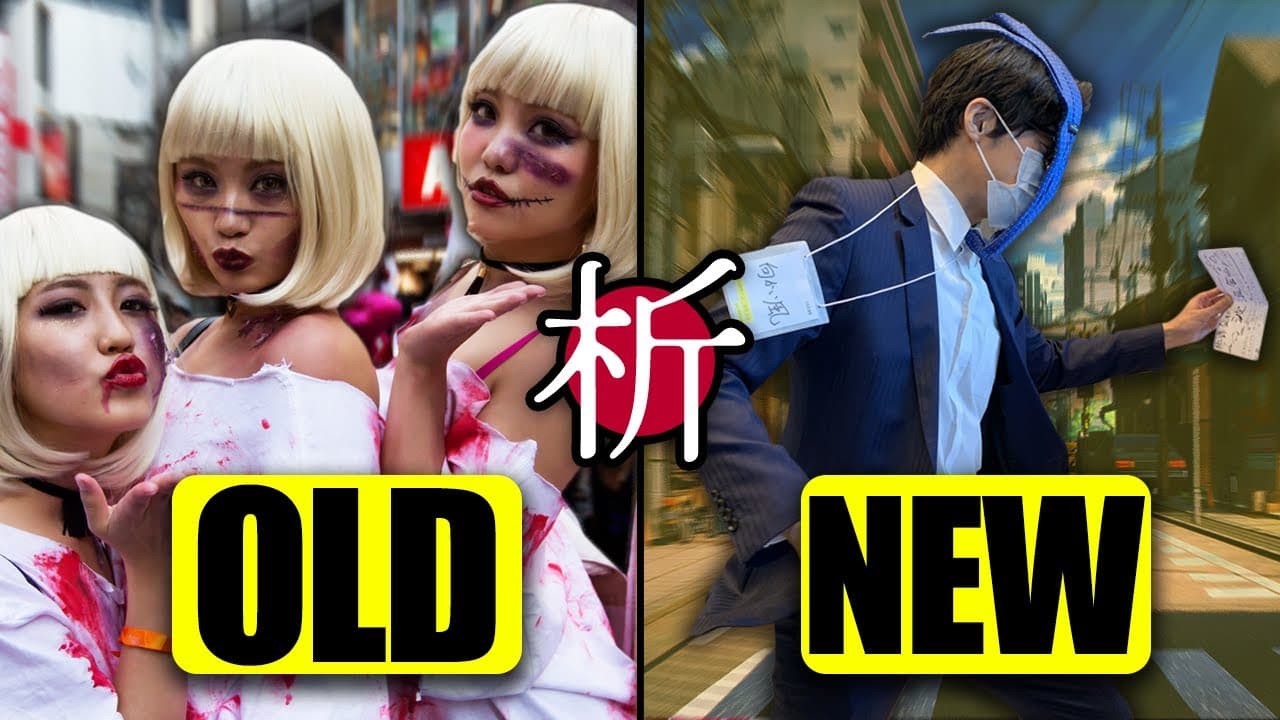
Explores the evolution of Halloween and quirky costume trends in Japan.
Transcript
…what do you think this costume is supposed to be? What about this one? Well… I’ll tell you in a minute, but let me very quickly run over the history of Halloween in Japan. I'll be fast, I promise. Halloween was apparently brought to Japan by US Military personnel in the 80s. But it didn’t really pop off until the 90s, helped by theme parks like To... Read More
Key Insights
- 👹 Halloween's Japanese journey began in the 1980s with American military influence, evolving significantly by the 1990s.
- 😃 The invention of Mundane Halloween reflects a creative twist on costume traditions, encouraging subtlety and wit.
- ❓ Cultural references in costumes illustrate how events and societal norms are cleverly critiqued through humor and creativity.
- 🥳 Japanese cities, especially Shibuya, become hubs of chaotic celebration during Halloween, emphasizing nightlife over traditional festivities.
- 🦛 Many costumes featured connect to familiar pop culture trends, showcasing the blend of humor and social commentary.
- 🥳 The shift away from traditional Halloween customs signifies a larger change in social interactions and celebration styles in Japan.
- 😨 Personal anecdotes from the narrator regarding typhoons highlight the contrast between societal fears and actual experiences during such events.
Install to Summarize YouTube Videos and Get Transcripts
Explore YouTube Video Summarizer or Get YouTube Transcript Extractor
Questions & Answers
Q: How did Halloween come to Japan?
Halloween was introduced to Japan by U.S. military personnel in the 1980s, initially making a minimal impact. Its popularity surged in the 1990s, largely due to significant events at theme parks like Tokyo Disneyland and the first Halloween parade in Kawasaki in 1997, which captured the public's interest.
Q: What is "Mundane Halloween" and who invented it?
"Mundane Halloween" is a concept created by Mr. Hayashi, chief editor of Daily Portal Z. The idea is to encourage individuals in Japan to wear intentionally plain costumes that playfully challenge onlookers to guess what they represent, moving away from the usual extravagant costumes.
Q: What themes do the costumes represent in the video?
The costumes featured in the video reflect various themes from Japanese media, social trends, and current events. For instance, costumes depicting societal quirks, such as a “guy trying to squeeze out the last bit of toothpaste” or humorous takes on public figures like Elon Musk, highlight both cultural relevance and creativity.
Q: Why are there few traditional Halloween activities like trick-or-treating in Japan?
Unlike Western countries, Halloween in Japan has evolved into more of a party holiday with a focus on socializing and nightlife rather than traditional activities like trick-or-treating. The cultural emphasis has shifted towards costume parties and public celebrations, particularly in urban areas like Shibuya.
Q: How do Japanese people typically celebrate Halloween now?
Celebrations involve groups of friends dressing up in costumes for social gatherings, enjoying nightlife, and taking photos for social media. City areas become vibrant with people showcasing their costumes in a festive atmosphere, rather than engaging in traditional activities like trick-or-treating.
Q: What is the significance of the costumes in the video?
The costumes featured serve as a commentary on Japanese society, encapsulating humorous references to everyday life and popular culture. They allow wearers to express creativity while also subtly critiquing social norms and trends, which resonate with the public's shared experiences.
Q: What was the narrator’s experience with typhoons in Japan?
The narrator shared anecdotes of personal experiences with typhoons in Japan. He recalled initially feeling fearful due to exaggerated warnings but later realizing the storms often resulted in merely light rain. Another memorable experience involved a romantic date during a typhoon, which unexpectedly turned into a memorable adventure.
Q: How does the video blend entertainment and cultural insights?
The video balances humor and educational elements by analyzing unique costumes while providing context about Japanese culture and Halloween traditions. This blend makes it engaging and informative for viewers interested in understanding contemporary Japanese society through the lens of Halloween celebrations.
Summary & Key Takeaways
-
Halloween in Japan began with American military influence in the 1980s, gaining popularity through theme parks and parades, transforming into a party-centric holiday.
-
The "Mundane Halloween" concept introduced by Daily Portal Z encourages creativity through plain and clever costumes, contrasting conventional Halloween celebrations.
-
The video analyzes various unique and culturally relevant costumes, providing insights into Japanese society and current events through humorous representations.
Read in Other Languages (beta)
Share This Summary 📚
Summarize YouTube Videos and Get Video Transcripts with 1-Click
Try YouTube Summary with ChatGPT & Claude or YouTube Transcript Generator
Explore More Summaries from Japanalysis 📚




Summarize YouTube Videos and Get Video Transcripts with 1-Click
Try YouTube Summary with ChatGPT & Claude or YouTube Transcript Generator