Thank Goodness for Bacterial Cannibalism
TL;DR
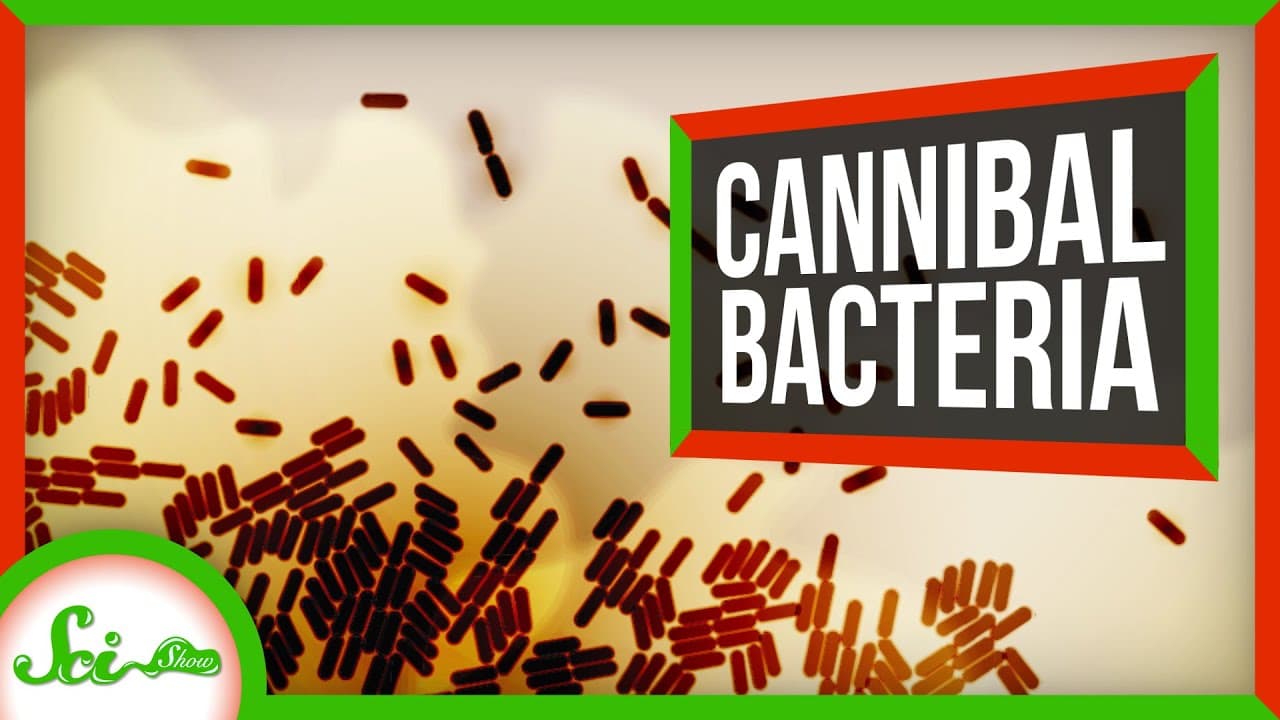
Bacterial cannibalism, observed in different species of bacteria, serves practical purposes such as acquiring DNA or obtaining nutrients. Harnessing this knowledge could potentially be used to develop medications that specifically target entire bacterial communities and combat antibiotic resistance.
Transcript
[♪ INTRO] When you think about cannibalism, if that’s a thing you do, your first instinct might be to think of humans. But it’s a thing in other species, too. And in some of them, it isn’t just about turning your next-door neighbor into a tasty snack. Cannibalism can serve practical purposes. And someday, we might even be able to harness it for the... Read More
Key Insights
- 🛟 Cannibalism occurs in various species of bacteria and serves different purposes, such as acquiring DNA or obtaining nutrients.
- 😒 Streptococcus pneumoniae uses fratricide to acquire genetic material and nutrients, providing survival advantages during stressful situations.
- 💁 Bacillus subtilis practices cannibalism during sporulation, delaying the formation of endospores and obtaining nutrients.
- 🥺 Harnessing bacterial cannibalism could potentially lead to the development of medications targeting entire bacterial communities in the human body.
- 🎮 Antibiotic resistance is a significant challenge, and alternative methods to control or destroy bacterial populations are needed.
- 🫵 Bacterial cannibalism research highlights the importance of viewing bacteria as complex communities rather than individual cells.
- 🤗 Understanding allolysis and its effects could lead to discoveries about how bacteria function and open new avenues for medical advancements.
Install to Summarize YouTube Videos and Get Transcripts
Explore YouTube Video Summarizer or Get YouTube Transcript Extractor
Questions & Answers
Q: How does bacterial cannibalism occur in Streptococcus pneumoniae?
Streptococcus pneumoniae exhibits fratricide when it becomes competent. Competence is the acquisition of the ability to take DNA from the environment and modify its own genetics. During this process, competent bacteria release a protective protein and later a deadly toxin, allowing surviving bacteria to acquire genetic material and nutrients from their dead siblings.
Q: What strategy does Bacillus subtilis use for cannibalism?
Bacillus subtilis practices cannibalism during sporulation. The bacteria produce a toxin that breaks down the cell membranes of their sibling cells. Simultaneously, they likely produce a protective substance to prevent themselves from being affected by the toxin. This strategy provides the cannibal bacteria with nutrients and delays the sporulation process.
Q: How can bacterial cannibalism potentially be used to combat antibiotic resistance?
Antibiotic overuse has led to bacteria developing resistance. Since certain bacteria already know how to kill bacteria causing illnesses like pneumonia, researchers hypothesize that this knowledge can be harnessed to target entire bacterial communities inside the human body. This could lead to the development of medications that specifically target harmful bacterial populations.
Q: What complications need to be addressed before using bacterial cannibalism as a therapy?
Scientists still have many questions regarding allolysis, the process of bacterial cannibalism. Key considerations include understanding how allolysis affects competent bacteria and the potential release of toxins that can damage cells. Safe and effective medications require a deeper understanding of these processes.
Summary & Key Takeaways
-
Cannibalism occurs in different species of bacteria and serves practical purposes, such as acquiring DNA and obtaining nutrients.
-
Streptococcus pneumoniae commits fratricide, releasing a toxin that only affects bacteria without a protective protein, allowing the surviving bacteria to obtain genetic material and survive starvation or adapt to new conditions.
-
Bacillus subtilis practices cannibalism during sporulation, producing a toxin that breaks down sibling cells' membranes while protecting themselves from the toxin's effects. This strategy provides the cannibal bacteria with nutrients and delays the sporulation process.
Read in Other Languages (beta)
Share This Summary 📚
Summarize YouTube Videos and Get Video Transcripts with 1-Click
Try YouTube Summary with ChatGPT & Claude or YouTube Transcript Generator
Explore More Summaries from SciShow 📚


Summarize YouTube Videos and Get Video Transcripts with 1-Click
Try YouTube Summary with ChatGPT & Claude or YouTube Transcript Generator