How to Have Healthy Conversations About Race
TL;DR
To have healthy conversations about race, identify your underlying fears, find a supportive network, prepare for challenging emotions, and take the first step to engage in dialogue. Educators can promote understanding and inclusivity by starting these discussions early, helping students navigate racial differences with confidence and empathy.
Transcript
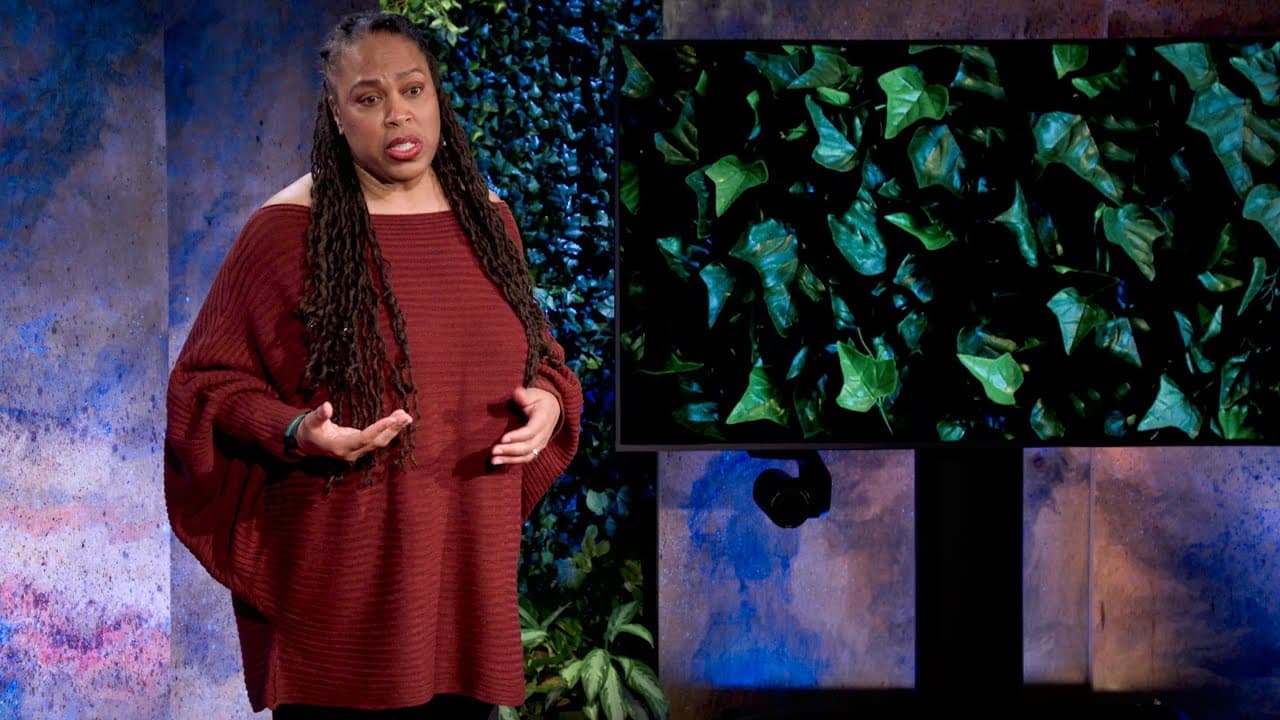
My name is Afrika Afeni. Afrika, spelled with a K, and Afeni, after Afeni Shakur, a member of the Black Panther Party and mother of Tupac Shakur. As you might imagine, I grew up talking about race with my family. My father built bookshelves in the living room of our Brooklyn apartment, and my parents filled those shelves with the books of Black aut... Read More
Key Insights
- 📚 Having conversations about race was a normal part of the speaker's upbringing, but they struggled when faced with racially different individuals in college, highlighting the need for cross-racial dialogue and learning.
- 👥 Conversations about race with students are necessary and should start early in order to mitigate biases and create a future with productive dialogue.
- 📝 Four steps to effectively have conversations about race include identifying the challenge, finding a support network, preparing for difficult emotions, and beginning the conversation.
- 📊 Despite educators identifying as anti-racist, only 14% feel they have the resources and training to effectively talk about race with students.
- 😨 Fear is a common challenge when discussing race, due to the potential of making mistakes or causing harm, emphasizing the need for a support network and accountability.
- 📖 Educators can prepare for conversations about race by envisioning what the discussions will look like, considering potential emotions and establishing agreements and responses to questions and resistance.
- 🙌 Pushing through fear and making mistakes is essential in teaching students how to have conversations about race and challenging their misperceptions. ⏳ Waiting for the perfect moment is unnecessary; educators can start engaging in conversations about race now and help students expand their thinking and understanding of different perspectives.
Install to Summarize YouTube Videos and Get Transcripts
Explore YouTube Video Summarizer or Get YouTube Transcript Extractor
Questions & Answers
Q: Why did the speaker feel frustrated when asked about Black History Month and the absence of a White History Month?
The speaker felt frustrated because they found it difficult to explain the necessity of Black History Month and the lack of a White History Month. This question highlights the lack of understanding and awareness about race and the need for conversations about it.
Q: According to EdWeek Research Center's report, what percentage of educators feel they have the necessary training and resources to have conversations about race with students?
Only 14 percent of the more than 800 educators surveyed in EdWeek Research Center's report said that they had both the training and the resources to have conversations about race with students. This statistic emphasizes the importance of addressing the lack of resources and training in this area.
Q: What is the underlying challenge that many educators face when it comes to discussing race with their students?
The underlying challenge that many educators face when discussing race with their students is fear. They fear saying the wrong thing or causing harm, given the historical and current racial tensions in the country. Overcoming this fear is crucial in order to initiate meaningful conversations about race.
Q: How can educators overcome the challenge of fear when discussing race with their students?
Educators can overcome the challenge of fear by finding a support network. Surrounding themselves with a community of individuals committed to doing this work will create a safe space to face discomfort and work through it. This support network will hold educators accountable and challenge their beliefs, helping them grow and become more effective in facilitating these discussions.
Q: Why is it important for educators to prepare before having conversations about race with their students?
Educators should prepare before having conversations about race with students because these discussions can evoke a range of emotions and reactions. By envisioning how the conversations might unfold, understanding potential student emotions, establishing agreements, and developing responses to questions, comments, and resistance, educators can navigate these sensitive conversations more effectively and create a safer learning environment.
Q: Why is it important to start having conversations about race with students early on?
It is important to start having conversations about race with students early on because children's minds are more malleable and open to learning. By teaching them to be comfortable talking about race from a young age, they will have fewer missteps and biased ideas are less likely to take hold. This lays the foundation for a more inclusive and understanding future.
Summary & Key Takeaways
-
Growing up, the speaker had frequent conversations about race with their family and was exposed to the writings of Black authors.
-
The speaker struggled with having conversations about race with people who were racially different from them when they went to college.
-
It is important to have conversations about race with students, and educators should identify the fear as the underlying challenge, find a support network, prepare, and take the first step.
Read in Other Languages (beta)
Share This Summary 📚
Summarize YouTube Videos and Get Video Transcripts with 1-Click
Try YouTube Summary with ChatGPT & Claude or YouTube Transcript Generator
Explore More Summaries from TED 📚





Summarize YouTube Videos and Get Video Transcripts with 1-Click
Try YouTube Summary with ChatGPT & Claude or YouTube Transcript Generator