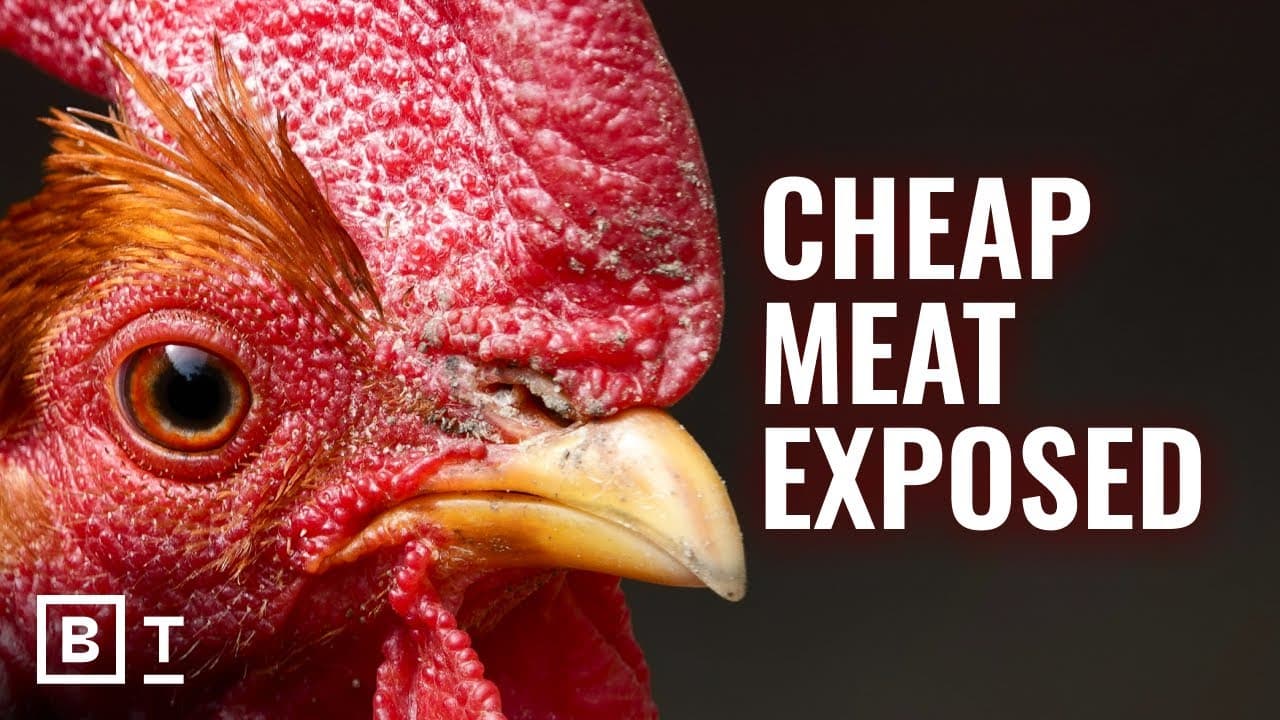
The hidden cost of cheap meat exposed by Peter Singer
TL;DR
Peter Singer advocates for animal liberation, criticizes factory farming, and promotes ethical eating choices.
Transcript
- Food is something that people seem very conservative about. It's embedded in our culture and our traditions. There's a lot of conformity, I think. I wrote "Animal Liberation" in 1975 because I was convinced that I had stumbled onto something that most people were oblivious to. The fact that the animals I had been eating had not had pleasant lives... Read More
Key Insights
- 🟰 Peter Singer challenges the moral status of animals and advocates for equal consideration of their interests.
- 🥺 Factory farming practices lead to immense animal suffering, environmental degradation, and public health risks.
- 😅 Ethical eating choices, such as plant-based alternatives and supporting animal welfare-friendly products, can promote a more compassionate food industry.
- ❓ Legislation and reforms in certain regions show progress towards improving animal welfare standards.
Install to Summarize YouTube Videos and Get Transcripts
Explore YouTube Video Summarizer or Get YouTube Transcript Extractor
Questions & Answers
Q: What led Peter Singer to write "Animal Liberation"?
Peter Singer was compelled to write "Animal Liberation" due to the realization of the suffering animals endure in factory farming, prompting him to advocate for their ethical treatment.
Q: How does Singer address the concept of speciesism?
Singer challenges the notion of speciesism, arguing that all beings with interests and the capacity to feel pain deserve equal moral consideration, regardless of their species.
Q: What are some examples of cruelty in factory farming that Singer highlights?
Singer points out the use of wire cages for egg-laying hens, narrow stalls for breeding sows, and the rapid growth of chickens in the meat industry, leading to immense animal suffering.
Q: How does Singer propose a solution to address the ethical issues in the food industry?
Singer advocates for ethical eating choices, such as consuming plant-based alternatives and supporting products from animals raised in humane conditions, to reduce animal cruelty and environmental harm.
Summary & Key Takeaways
-
Peter Singer discusses the ethical implications of factory farming and advocates for animal liberation.
-
He highlights the inhumane conditions animals face in the meat industry and the environmental impact of factory farming.
-
Singer suggests ethical eating choices and the rise of plant-based alternatives to reduce animal suffering.
Read in Other Languages (beta)
Share This Summary 📚
Summarize YouTube Videos and Get Video Transcripts with 1-Click
Try YouTube Summary with ChatGPT & Claude or YouTube Transcript Generator
Explore More Summaries from Big Think 📚



Summarize YouTube Videos and Get Video Transcripts with 1-Click
Try YouTube Summary with ChatGPT & Claude or YouTube Transcript Generator