How to Let Go of Excess Stuff Without a Dumpster
TL;DR
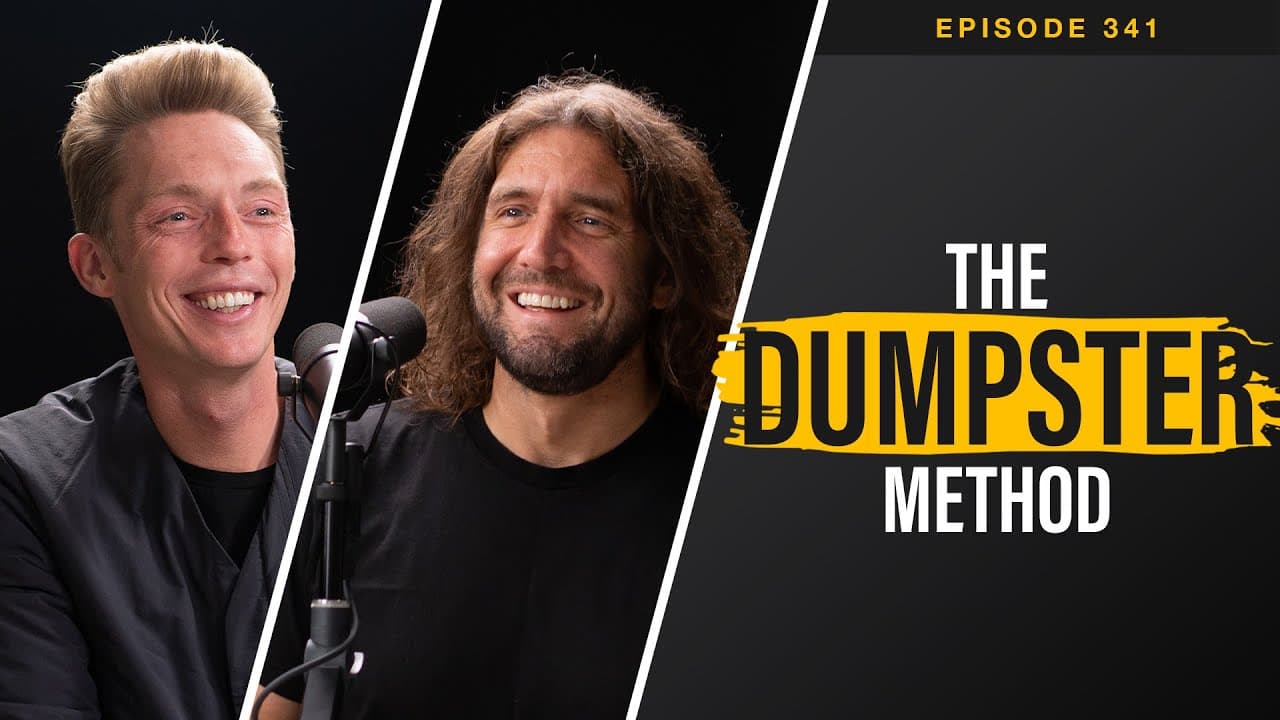
The key to decluttering is understanding why we cling to possessions: for approval, control, or safety. Instead of using the 'dumpster method', consider selling, donating, or recycling items to start afresh without waste. Address underlying emotional attachments to create a meaningful life with less.
Transcript
hello everybody welcome to the minimalist podcast where we discuss what it means to live a meaningful life with less my name is joshua fields milburn and i'm ryan nicodemus and together we are the minimalists do you have so much stuff that you fantasized about renting a giant dumpster and tossing everything in it just so you can move on with your l... Read More
Key Insights
- Clinging to possessions often stems from a need for approval, control, or safety.
- The 'dumpster method' of decluttering is not recommended as it can be wasteful.
- Selling, donating, or recycling items can be more beneficial than discarding them.
- Understanding the emotional attachments to items can help in letting go.
- Minimalism is about creating a meaningful life with less, not just getting rid of stuff.
- Creating an environment for understanding can help loved ones embrace minimalism.
- Striving for perfection in decluttering can lead to failure; embrace the process.
- Minimalism can be a 'trojan horse' for addressing deeper life issues beyond possessions.
Install to Summarize YouTube Videos and Get Transcripts
Explore YouTube Video Summarizer or Get YouTube Transcript Extractor
Questions & Answers
Q: How do I help loved ones let go of their attachment to things?
Helping loved ones let go of attachments involves understanding the reasons behind their clinging. Often, people cling to items for approval, control, or safety. By addressing these underlying needs and creating an environment that promotes understanding and acceptance, you can help them see the benefits of minimalism. Lead by example and focus on the positive changes in your life to inspire them.
Q: What is the 'dumpster method' and why is it not recommended?
The 'dumpster method' involves discarding items en masse to quickly declutter. While it may seem efficient, it's not recommended because it can be wasteful, ignoring the potential to sell, donate, or recycle items. This method often overlooks the emotional attachments people have to their possessions and doesn't address the underlying reasons for clinging, such as approval, control, or safety.
Q: Why do people cling to their possessions?
People often cling to possessions due to emotional needs such as seeking approval, wanting control, or ensuring safety. These attachments can stem from past experiences or traumas that make individuals feel incomplete or insecure. Understanding these reasons can aid in the process of letting go and embracing a minimalist lifestyle.
Q: How can I declutter effectively without feeling regret?
To declutter effectively without regret, focus on understanding the emotional reasons behind your attachments. Consider the value each item adds to your life and whether it aligns with your current needs and goals. Opt for selling, donating, or recycling items instead of discarding them, which can alleviate feelings of wastefulness and regret.
Q: What role does minimalism play in creating a meaningful life?
Minimalism plays a significant role in creating a meaningful life by encouraging individuals to focus on what truly matters. By reducing excess possessions, people can address deeper emotional and psychological needs, such as seeking approval, control, or safety. Minimalism helps individuals prioritize relationships, experiences, and personal growth over material accumulation.
Q: How can I set an example of minimalism for others?
Setting an example of minimalism involves living the principles yourself and demonstrating the benefits through your actions. Share your experiences, challenges, and successes with others, and show how minimalism has positively impacted your life. Create an environment that encourages understanding and acceptance, allowing others to explore minimalism at their own pace.
Q: Why is striving for perfection in decluttering fruitless?
Striving for perfection in decluttering is fruitless because it can lead to frustration and hinder progress. Decluttering is a personal journey that involves addressing emotional attachments and understanding individual needs. Embrace the process, accept imperfections, and focus on the positive changes minimalism brings to your life, rather than achieving an idealized version of minimalism.
Q: How can I address the emotional attachments to my possessions?
Addressing emotional attachments to possessions involves understanding the underlying reasons for clinging, such as seeking approval, control, or safety. Reflect on the value each item adds to your life and whether it aligns with your current needs and goals. Consider taking photos of sentimental items as memory triggers and focus on creating a meaningful life with less.
Summary & Key Takeaways
-
Decluttering is most effective when we understand why we cling to possessions, often due to needs for approval, control, or safety. Instead of discarding items wastefully, it's better to sell, donate, or recycle them. This approach helps in starting over with a clean slate while addressing emotional attachments.
-
The 'dumpster method' is not ideal for minimalism as it overlooks the potential reuse of items. Minimalism is about more than just reducing possessions; it's about creating a meaningful life with less and addressing underlying emotional and psychological needs.
-
Helping others adopt minimalism involves setting an example and creating an environment for understanding, rather than trying to change them directly. Addressing the reasons behind clinging can facilitate the letting go process and lead to a more fulfilling life.
Read in Other Languages (beta)
Share This Summary 📚
Summarize YouTube Videos and Get Video Transcripts with 1-Click
Try YouTube Summary with ChatGPT & Claude or YouTube Transcript Generator
Explore More Summaries from The Minimalists Podcast 📚




Summarize YouTube Videos and Get Video Transcripts with 1-Click
Try YouTube Summary with ChatGPT & Claude or YouTube Transcript Generator