Hack Your Brain with Polyphasic Sleep
TL;DR
Through the practice of polyphasic sleep, the author successfully experimented with reducing overall sleep and gaining extra waking hours for productivity.
Transcript
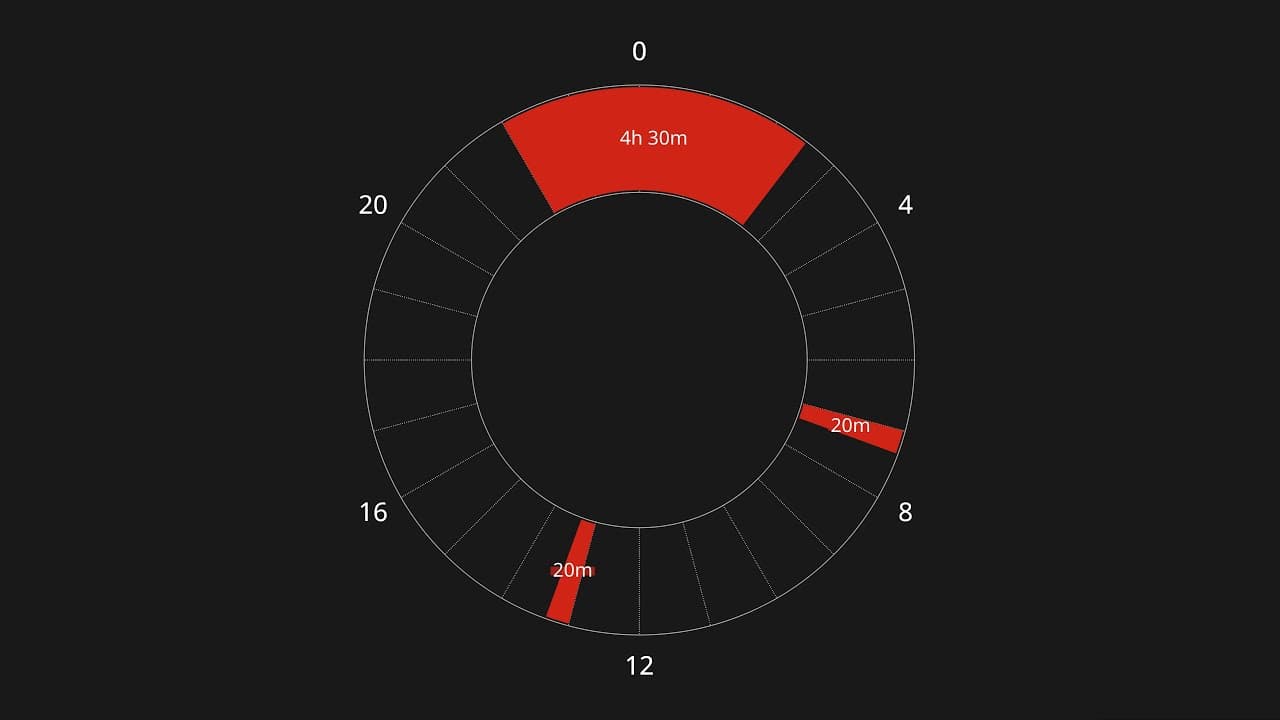
hi friends my name is Tris and this is no boilerplate focusing on Fast technical videos let me take you back to April 2020 where for a two-month experiment I successfully tried polyphasic sleep it is o330 I have just woken up from my course sleep of 4 hours 30 minutes and I feel fantastic it will be five hours before I need to start work at my day ... Read More
Key Insights
- 😪 Cultures that incorporate midday napping tend to require less overall sleep.
- 😪 Polyphasic sleep can potentially unlock extra productive waking hours by reducing the amount of time spent sleeping.
- 😪 The adaptation period for polyphasic sleep can be challenging due to immediate sleep deprivation.
- 😄 Different polyphasic sleep schedules offer different levels of efficiency and ease of adaptation.
- 📅 Personal circumstances and schedules should be considered when choosing a polyphasic sleep schedule.
- 💮 White noise and low-effort distractions can be helpful during the adaptation period.
- 😪 Having meals after each nap can help maintain wakefulness during polyphasic sleep.
Install to Summarize YouTube Videos and Get Transcripts
Explore YouTube Video Summarizer or Get YouTube Transcript Extractor
Questions & Answers
Q: What is polyphasic sleep?
Polyphasic sleep is the theory that sleeping more frequently throughout a 24-hour cycle reduces the amount of overall sleep needed.
Q: What is the uberman schedule?
The uberman schedule is a polyphasic sleep schedule in which a person takes a 20-minute nap every four hours and does not sleep during any other time.
Q: Why is the adaptation period for polyphasic sleep schedules difficult?
The adaptation period for polyphasic sleep can be brutal because the body needs time to adjust to sleeping during the day and being awake at unconventional times. This can result in immediate sleep deprivation.
Q: How did the author's experience with polyphasic sleep affect their insomnia?
The author had mild insomnia before trying polyphasic sleep. After following the every man 2 schedule, they found that their insomnia was cured, and they became better at sleeping.
Key Insights:
- Cultures that incorporate midday napping tend to require less overall sleep.
- Polyphasic sleep can potentially unlock extra productive waking hours by reducing the amount of time spent sleeping.
- The adaptation period for polyphasic sleep can be challenging due to immediate sleep deprivation.
- Different polyphasic sleep schedules offer different levels of efficiency and ease of adaptation.
- Personal circumstances and schedules should be considered when choosing a polyphasic sleep schedule.
- White noise and low-effort distractions can be helpful during the adaptation period.
- Having meals after each nap can help maintain wakefulness during polyphasic sleep.
- Blackout curtains or blinds can aid in napping during the day.
Summary & Key Takeaways
-
The author shares their experience with polyphasic sleep, which is the theory that sleeping more often during a 24-hour cycle reduces the need for overall sleep.
-
They discuss the different polyphasic sleep schedules, with a focus on the uber man schedule, which involves taking 20-minute naps every four hours.
-
The author tried polyphasic sleep using the every man 2 schedule during the lockdown period, found it more approachable, and experienced positive changes in their sleep patterns.
Read in Other Languages (beta)
Share This Summary 📚
Summarize YouTube Videos and Get Video Transcripts with 1-Click
Try YouTube Summary with ChatGPT & Claude or YouTube Transcript Generator
Explore More Summaries from No Boilerplate 📚


Summarize YouTube Videos and Get Video Transcripts with 1-Click
Try YouTube Summary with ChatGPT & Claude or YouTube Transcript Generator