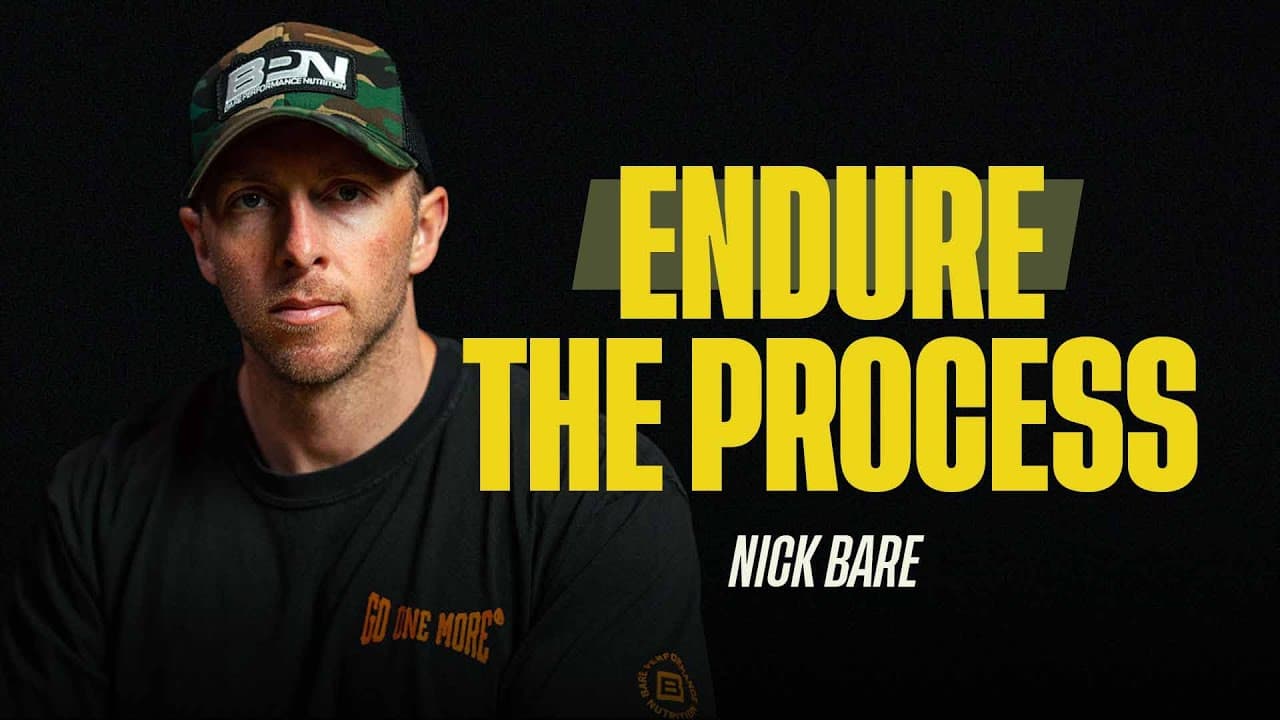
Endure The Process | 033
TL;DR
Success comes from enduring long, intentional processes.
Transcript
it's easier to endure the process when you enjoy parts of the process you're not going to love every moment or every minute but if you don't have purpose and you don't have reason behind the process that you are embarking to endure you're not going to enjoy it you probably won't respect it and it probably will not lead to a successful sustainable o... Read More
Key Insights
- Enduring a process requires finding enjoyment and purpose in parts of it, even if it's not always enjoyable.
- Growth and success derive from long, intentional processes, whether in business, personal goals, or life achievements.
- Questions like what, how, why, and with whom help define the purpose and direction of any process.
- Execution risk can be mitigated through strategic planning, mentorship, and repeated practice.
- Building a business or achieving a personal milestone is akin to a snowball effect, where gradual, consistent effort leads to growth.
- Repetition in enduring a process builds confidence, reduces risk, and enhances ability over time.
- Not all processes allow for autopilot; being present and intentional is crucial, especially in personal relationships.
- Having a strong why and purpose behind a process ensures respect and commitment to achieving the desired outcome.
Install to Summarize YouTube Videos and Get Transcripts
Explore YouTube Video Summarizer or Get YouTube Transcript Extractor
Questions & Answers
Q: What is the importance of enduring a process?
Enduring a process is crucial for achieving success and growth. It involves finding enjoyment and purpose in parts of the process, even if it's not always enjoyable. Long, intentional processes are essential for growth, whether in business, personal goals, or life achievements. They help build confidence and reduce execution risk through strategic planning, mentorship, and repeated practice.
Q: How can execution risk be mitigated?
Execution risk can be mitigated through strategic planning, mentorship, and repeated practice. By having a clear plan, seeking guidance from mentors and advisors, and practicing consistently, individuals can reduce the risks associated with executing a process. Repetition builds confidence and enhances ability over time, further reducing execution risk.
Q: What role does repetition play in enduring a process?
Repetition plays a significant role in enduring a process as it builds confidence, reduces risk, and enhances ability over time. By consistently engaging in a process, individuals become more skilled and efficient, which helps in achieving the desired outcome. Repetition also helps in mitigating execution risk and improving overall performance.
Q: Why is having a strong 'why' important in a process?
Having a strong 'why' is important in a process because it ensures respect and commitment to achieving the desired outcome. A clear purpose and reason behind the process motivate individuals to endure challenges and stay focused on their goals. It helps in maintaining consistency and dedication, even when the process becomes difficult or unenjoyable.
Q: Can all processes be done on autopilot?
Not all processes can be done on autopilot. While some tasks may become routine and allow for autopilot, others require presence and intentionality, especially in personal relationships. Being aware of which processes can be automated and which require active engagement is crucial for achieving success and maintaining meaningful connections.
Q: What is the significance of the 'hay is in the barn' metaphor?
The 'hay is in the barn' metaphor signifies the preparation and effort put into a process leading up to a significant event or goal. It represents the accumulation of work and dedication over time, which culminates in readiness for the final outcome. This metaphor highlights the importance of consistent effort and preparation in achieving success.
Q: How does enduring a process lead to growth?
Enduring a process leads to growth by challenging individuals to develop new skills, build confidence, and enhance their abilities. The long, intentional journey of a process fosters personal and professional development, allowing individuals to achieve success and greatness. Embracing and respecting the process contributes to significant growth and a competitive advantage in life.
Q: What is the impact of enduring a process on personal relationships?
Enduring a process can have a positive impact on personal relationships by fostering presence, intentionality, and growth. Being aware of which processes require active engagement helps individuals maintain meaningful connections and achieve personal goals. The skills and confidence gained from enduring a process can also enhance communication and understanding in relationships.
Summary & Key Takeaways
-
Enduring a process is essential for achieving success and growth, whether in business or personal goals. It requires finding purpose and enjoyment in parts of the process, even if it's not always enjoyable. Strategic planning, mentorship, and repeated practice can help mitigate execution risk and build confidence.
-
Building a business or achieving a personal milestone is a gradual process, akin to a snowball effect. Repetition in enduring a process enhances ability and reduces risk over time. However, not all processes allow for autopilot; being present and intentional is crucial, especially in personal relationships.
-
Having a strong why and purpose behind a process ensures respect and commitment to achieving the desired outcome. Embracing and respecting the process leads to significant growth and success, making it a competitive advantage in life.
Read in Other Languages (beta)
Share This Summary 📚
Summarize YouTube Videos and Get Video Transcripts with 1-Click
Try YouTube Summary with ChatGPT & Claude or YouTube Transcript Generator
Explore More Summaries from The Nick Bare Podcast 📚





Summarize YouTube Videos and Get Video Transcripts with 1-Click
Try YouTube Summary with ChatGPT & Claude or YouTube Transcript Generator